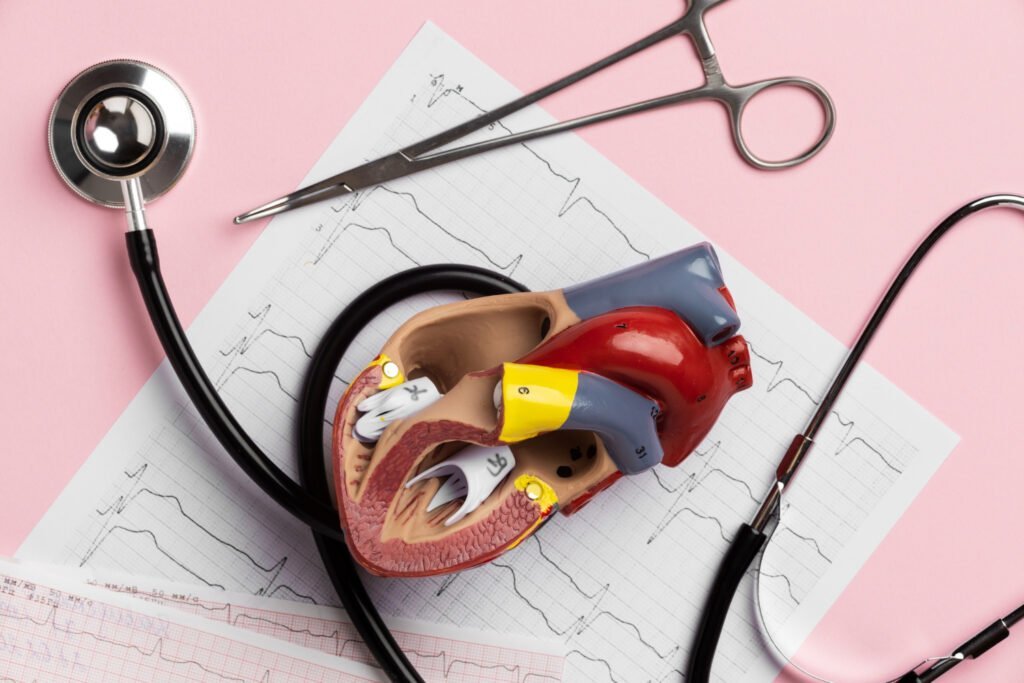
Advanced Heart Failure: Understanding and Managing End-Stage Heart Disease
Advanced heart failure is a serious condition that requires expert care. The best Cardiologist in Mumbai, Dr. Singh can be the doctor you need as one of the renowned specialists in Advanced Heart failure Dr. Singh serves for Angioplasty, TAVR, Echocardiography, and stress testing. ensuring highest standard of care
Advanced heart failure, also known as end-stage heart failure, is a severe form of heart failure where standard treatments are no longer effective in managing symptoms. It significantly impacts a person’s quality of life and requires specialized care.
To ensure your life safety Dr. Singh is the reliable doctor you need as he ensures his patient’s care as his top priority
What treatment options are available for advanced heart failure?
Treatment options may include:
Optimized medication therapy
Implantable cardioverter-defibrillators (ICDs)
Cardiac resynchronization therapy (CRT)
Left ventricular assist devices (LVADs)
Heart transplantation
Palliative care for symptom management
What is a left ventricular assist device (LVAD)?
An LVAD is a mechanical pump surgically implanted to help the heart’s left ventricle pump blood to the body. It’s used as a bridge to transplant or as destination therapy for those ineligible for transplantation.
Who is eligible for heart transplantation?
Heart transplant candidates are typically under 70 years old with end-stage heart failure, have exhausted other treatment options, and are otherwise healthy enough to undergo the procedure and post-transplant care.
What is the life expectancy for someone with advanced heart failure?
Life expectancy varies greatly depending on the individual’s condition, treatment response, and overall health. With proper management, many patients can live for several years with a good quality of life.
How can I improve my quality of life with advanced heart failure?
To improve quality of life:
Follow your treatment plan closely
Monitor your symptoms and weight daily
Maintain a heart-healthy diet
Exercise as recommended by your doctor
Manage stress
Join a heart failure support group
What is palliative care in advanced heart failure?
Palliative care focuses on improving quality of life and managing symptoms in advanced heart failure. It can be provided alongside other treatments and helps patients and families cope with the challenges of the disease.
Can advanced heart failure be reversed?
While advanced heart failure can’t usually be reversed, proper treatment can significantly improve symptoms and quality of life. In some cases, certain treatments may lead to substantial improvement in heart function.
What role does diet play in managing advanced heart failure?
A heart-healthy diet is crucial in managing advanced heart failure. This typically involves:
Limiting sodium intake
Restricting fluid intake as advised
Eating a balanced diet rich in fruits, vegetables, and whole grains
Avoiding excessive alcohol consumption
How often should I see my cardiologist if I have advanced heart failure?
Patients with advanced heart failure typically require frequent follow-ups, often every 1-3 months or more, depending on their condition’s severity and stability.
What is a heart failure specialist?
A heart failure specialist is a cardiologist with additional training in managing complex heart failure cases. They are experts in the latest treatments and clinical trials for advanced heart failure. Our Expert, Dr Amit Singh, is fully certified in Heart Failure management by Heart Failure Association of European Society of Cardiology. He is expert in managing advanced heart failure.
Are there any new treatments on the horizon for advanced heart failure?
Emerging treatments include:
New medications targeting specific pathways in heart failure
Improved LVADs with fewer complications
Gene therapy approaches
Stem cell treatments to regenerate heart tissue
How can family members support someone with advanced heart failure?
Family support is crucial. Ways to help include:
Assisting with medication management
Encouraging adherence to dietary restrictions
Helping monitor symptoms and weight
Providing emotional support
Accompanying the patient to medical appointments
What is the importance of cardiac rehabilitation in advanced heart failure?
Cardiac rehabilitation can help improve exercise tolerance, reduce symptoms, and enhance quality of life in advanced heart failure patients. It typically includes supervised exercise, education, and counseling.
Understanding advanced heart failure is crucial for managing this complex condition effectively. If you or a loved one are experiencing severe heart failure symptoms, consult Dr Amit singh, our advanced heart failure specialist for a comprehensive evaluation and personalized treatment plan.
Remember, while advanced heart failure is a serious condition, many treatment options are available to improve symptoms and quality of life. Don’t hesitate to reach out to our cardiology team with any questions or concerns about advanced heart failure management. Schedule your consultation today!
FAQs
What is advanced heart failure and how is it different from regular heart failure?
Advanced heart failure is a severe stage of heart failure where conventional treatments and medications are no longer effective in managing symptoms. Unlike earlier stages, patients with advanced heart failure often experience persistent symptoms even at rest, and their daily activities are significantly limited. This stage requires specialized treatments and possibly advanced interventions like mechanical circulatory support or heart transplantation.
What are the common symptoms of advanced heart failure?
Common symptoms of advanced heart failure include severe shortness of breath, especially during physical activity or when lying down, persistent coughing or wheezing, swelling in the legs, ankles, and abdomen, fatigue and weakness, rapid or irregular heartbeat, and a significant decrease in exercise tolerance. These symptoms can severely impact daily life and require careful management.
How can advanced heart failure be managed or treated?
Management of advanced heart failure involves a combination of lifestyle changes, medications, and advanced medical therapies. Lifestyle changes include a heart-healthy diet, regular physical activity, and quitting smoking. Medications might include diuretics, ACE inhibitors, beta-blockers, and others. Advanced therapies could involve the use of ventricular assist devices (VADs), biventricular pacemakers, or even heart transplantation in severe cases. Each treatment plan is tailored to the individual patient’s needs.
What support is available for patients and families dealing with advanced heart failure?
Support for patients and families includes comprehensive care from a multidisciplinary team of cardiologists, nurses, dietitians, and social workers. Counseling and support groups are also available to help manage the emotional and psychological aspects of the condition. At HeartWise, we ensure that both patients and their families receive the necessary education, support, and resources to navigate the challenges of advanced heart failure.
What lifestyle changes can help improve the quality of life for someone with advanced heart failure?
Lifestyle changes play a crucial role in managing advanced heart failure and improving quality of life. These changes include adhering to a low-sodium diet, maintaining a healthy weight, engaging in regular but moderate physical activity as advised by a healthcare provider, avoiding smoking and excessive alcohol consumption, and managing stress through relaxation techniques and support networks. Regular follow-ups with the healthcare team are also essential to monitor the condition and adjust treatments as needed.