
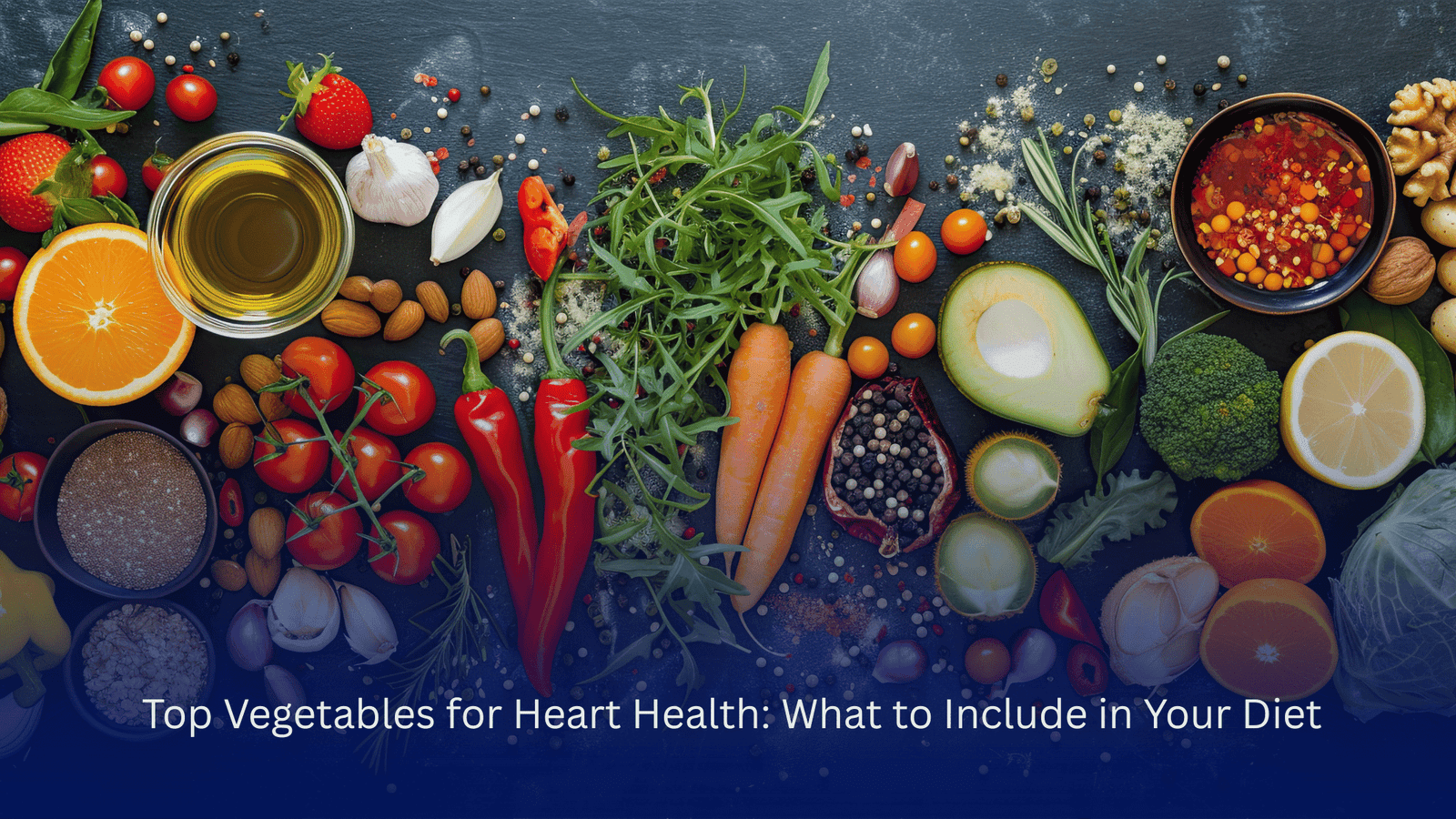
Best Vegetables for Heart Health
Heart disease remains one of the leading causes of death worldwide. While genetics and lifestyle factors like exercise and stress management play vital roles in heart health, diet is perhaps the most influential element you can control. Among dietary choices, vegetables stand out as nutritional powerhouses that can significantly reduce the risk of heart disease.
In this blog post, we’ll explore:
- Why vegetables are essential for heart health
- The best vegetables to include in your diet
- How they work to protect your cardiovascular system
- Practical tips to add more heart-friendly veggies to your meals
Let’s dive deep into the world of heart-healthy vegetables and learn how to nourish your heart naturally.
Why Are Vegetables Important for Heart Health?
Vegetables are rich in fiber, vitamins, minerals, and antioxidants—all of which help protect your heart. Here’s how:
- Fiber helps lower cholesterol levels and supports healthy digestion.
- Potassium helps balance blood pressure.
- Antioxidants reduce inflammation and protect blood vessels from damage.
- Low calorie and fat content makes them ideal for maintaining a healthy weight.
Eating a diet high in vegetables can:
- Reduce the risk of coronary artery disease
- Lower blood pressure
- Improve cholesterol levels
- Reduce inflammation
The American Heart Association recommends at least 4 to 5 servings of vegetables per day for optimal heart health.
Top 15 Vegetables for Heart Health
Let’s take a closer look at the vegetables that are especially beneficial for your heart:
1. Leafy Greens (Spinach, Kale, Swiss Chard)
Why they’re great:
- High in vitamin K, which helps protect arteries
- Rich in nitrates that help reduce blood pressure and improve arterial function
- Loaded with antioxidants and fiber
How to eat them:
- Add to smoothies, soups, salads, or stir-fries
- Use spinach as a sandwich filler instead of lettuce
2. Broccoli
Why it’s great:
- High in fiber, antioxidants, and vitamin C
- Contains sulforaphane, a compound that may reduce inflammation and oxidative stress
How to eat it:
- Steam or roast with olive oil
- Mix into pasta, rice dishes, or omelets
3. Brussels Sprouts
Why they’re great:
- Contain glucosinolates that may support heart health
- Help lower bad (LDL) cholesterol
How to eat them:
- Roast with garlic and olive oil
- Add to grain bowls or casseroles
4. Carrots
Why they’re great:
- High in beta-carotene, an antioxidant linked to reduced heart disease risk
- Naturally sweet, they help satisfy sugar cravings healthfully
How to eat them:
- Enjoy raw with hummus
- Add to stews or roast as a side dish
5. Tomatoes
Why they’re great:
- Rich in lycopene, a powerful antioxidant
- Help reduce inflammation and improve blood vessel function
How to eat them:
- Use in salads, sauces, and soups
- Eat cherry tomatoes as a snack
6. Beets
Why they’re great:
- High in nitrates that can lower blood pressure
- Promote better blood flow and oxygen delivery
How to eat them:
- Juice them or roast with herbs
- Add to salads or make beet hummus
7. Garlic
Why it’s great:
- Contains allicin, a compound that can help lower blood pressure and cholesterol
- Known for its anti-inflammatory properties
How to eat it:
- Add raw or cooked garlic to dressings, sautés, or baked dishes
8. Onions
Why they’re great:
- Contain quercetin, a flavonoid with anti-inflammatory and blood pressure-lowering effects
- Help improve cholesterol levels
How to eat them:
- Caramelize for rich flavor
- Include in curries, salads, and sandwiches
9. Bell Peppers
Why they’re great:
- Rich in vitamin C and carotenoids
- Help reduce oxidative stress and inflammation
How to eat them:
- Add to stir-fries, salads, or enjoy raw as a snack
10. Sweet Potatoes
Why they’re great:
- High in potassium and fiber
- Rich in beta-carotene and other antioxidants
How to eat them:
- Bake or mash as a side dish
- Make healthy sweet potato fries
11. Cauliflower
Why it’s great:
- Contains fiber and antioxidants that support heart health
- Low in calories but very filling
How to eat it:
- Use as a low-carb rice or pizza crust alternative
- Steam or roast with turmeric and olive oil
12. Asparagus
Why it’s great:
- Good source of folate, which helps lower homocysteine levels (a risk factor for heart disease)
- Contains antioxidants and fiber
How to eat it:
- Grill or steam and serve as a side
- Wrap in whole grain bread with a drizzle of lemon
13. Green Beans
Why they’re great:
- Provide fiber, vitamin C, and potassium
- Support blood pressure control and artery health
How to eat them:
- Steam or sauté with garlic
- Add to salads or casseroles
14. Cucumbers
Why they’re great:
- Hydrating and low in calories
- Contain antioxidants that combat inflammation
How to eat them:
- Add to water for a refreshing drink
- Use in salads or eat raw with dip
15. Cabbage
Why it’s great:
- Rich in anthocyanins and vitamin K
- Helps reduce blood pressure and inflammation
How to eat it:
- Use in slaws or fermented as sauerkraut
- Add to soups and stir-fries
How Vegetables Help Prevent Heart Disease
Vegetables work in multiple ways to reduce the risk of heart disease:
- Lower Blood Pressure: Many vegetables are rich in potassium, which balances sodium in the body and lowers blood pressure.
- Reduce Cholesterol: Soluble fiber in vegetables helps remove excess cholesterol from the bloodstream.
- Fight Inflammation: Antioxidants neutralize free radicals and reduce inflammation in the arteries.
- Promote Healthy Weight: Vegetables are low in calories and high in fiber, making them ideal for weight management.
- Improve Blood Vessel Function: Certain compounds, like nitrates in leafy greens, enhance the flexibility of blood vessels.
Tips to Add More Vegetables to Your Diet
If you’re struggling to eat enough vegetables, try these practical tips:
- Start your day with veggies: Add spinach, tomatoes, or mushrooms to your breakfast omelet.
- Snack smart: Keep cut vegetables like carrots and bell peppers handy for snacking.
- Blend into smoothies: Add a handful of greens to fruit smoothies.
- Replace carbs with veggies: Use zucchini noodles or cauliflower rice.
- Plan your meals: Prepare vegetable-rich dishes in advance.
- Explore global cuisines: Try stir-fries, curries, or Mediterranean vegetable platters.
Meal Ideas Packed with Heart-Healthy Veggies
Here are a few quick and delicious ideas:
- Heart-Healthy Salad: Spinach, cherry tomatoes, cucumbers, red onion, beets, and balsamic vinaigrette
- Vegetable Stir-Fry: Broccoli, bell peppers, green beans, and garlic in olive oil
- Sweet Potato Bowl: Roasted sweet potato, kale, avocado, and quinoa with lemon dressing
- Veggie Soup: Cauliflower, carrots, celery, cabbage, and herbs in a tomato-based broth
- Roasted Veggie Platter: Brussels sprouts, carrots, beets, and onions drizzled with olive oil and herbs
Conclusion: Your Heart Deserves the Best Nutrition
Incorporating a wide variety of vegetables into your daily diet is a simple yet powerful way to protect your heart. These colorful, nutrient-rich foods provide the vitamins, minerals, and fiber your cardiovascular system needs to function optimally.
Whether you steam, roast, grill, or eat them raw, vegetables can transform your meals and your health. Start small, stay consistent, and make your plate as colorful as possible.
Your heart will thank you for every bite!
For more heart-healthy diet tips and lifestyle advice, visit Heartwise.in
