
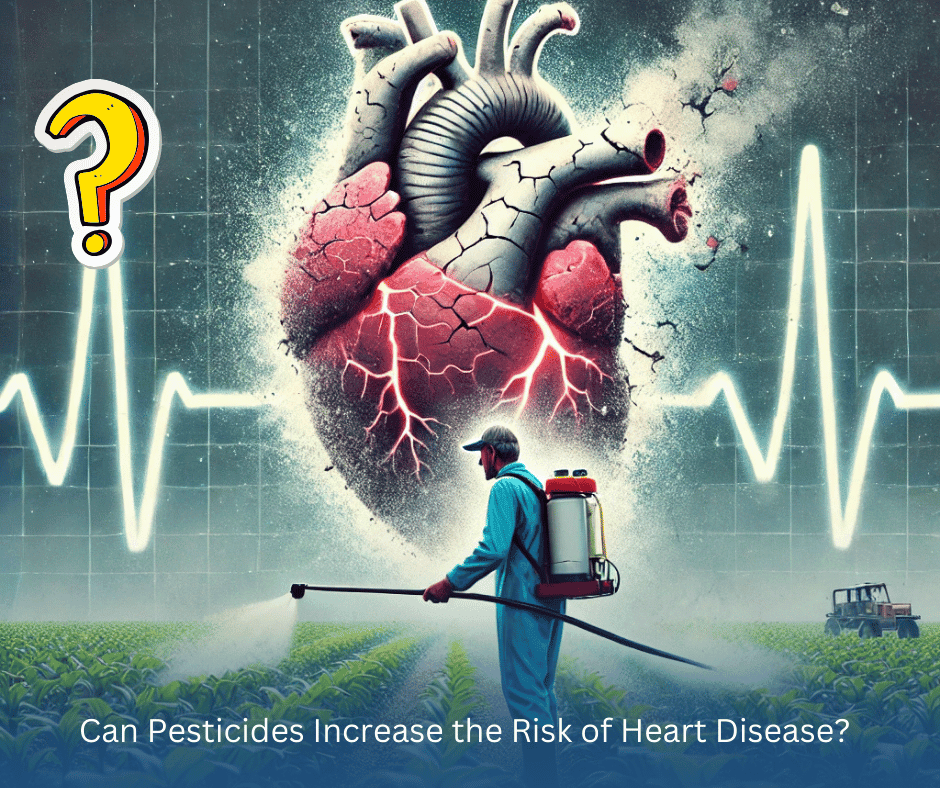
Can Pesticides Increase the Risk of Heart Disease?
By Dr. Amit Singh, Cardiologist
Pesticides are widely used in agriculture to protect crops from pests and diseases. However, prolonged exposure to pesticide residues in food, water, and the environment has been linked to several health issues, including heart disease. Let’s explore how pesticides can contribute to cardiovascular problems and what precautions you should take.
How Pesticides Can Increase the Risk of Heart Disease
1. Pesticides and Oxidative Stress
Pesticides contain toxic chemicals that generate oxidative stress in the body. Oxidative stress damages cells, including those in the cardiovascular system, leading to inflammation and increasing the risk of atherosclerosis (hardening of the arteries), which can result in heart disease.
2. Increased Risk of Hypertension
Certain pesticides have been shown to interfere with the body’s normal hormonal balance, leading to high blood pressure (hypertension). Chronic hypertension is a significant risk factor for heart attacks and strokes.
3. Disruption of Cholesterol Levels
Studies suggest that pesticide exposure can alter lipid metabolism, increasing bad cholesterol (LDL) while lowering good cholesterol (HDL). This imbalance contributes to plaque buildup in the arteries, restricting blood flow and raising the risk of heart disease.
4. Endocrine System Disruption
Pesticides often contain endocrine-disrupting chemicals (EDCs) that interfere with hormones responsible for metabolic regulation. This disruption can lead to obesity, diabetes, and metabolic syndrome—key risk factors for cardiovascular disease.
5. Chronic Inflammation and Heart Health
Long-term exposure to pesticides triggers chronic inflammation in the body, which is a leading contributor to heart disease. Inflammation can cause blood vessels to narrow and increase the likelihood of clot formation, leading to heart attacks and strokes.
Who is at Higher Risk?
- Farmers and agricultural workers exposed to pesticides regularly.
- Individuals consuming non-organic foods with high pesticide residues.
- People with pre-existing heart conditions or metabolic disorders.
- Those living in areas with high pesticide use and contaminated water sources.
How to Reduce Pesticide Exposure for a Healthy Heart
- Wash Fruits and Vegetables Thoroughly: Rinse produce under running water and use a baking soda solution to remove pesticide residues.
- Choose Organic Produce: Organic foods are grown without synthetic pesticides and can help reduce exposure.
- Peel and Cook Vegetables: Peeling and cooking vegetables can lower pesticide content in food.
- Filter Drinking Water: Use high-quality water filters to remove pesticide residues from tap water.
- Avoid Direct Exposure: If you work in agriculture, wear protective clothing and masks to reduce inhalation and skin absorption.
Conclusion
While pesticides play a role in increasing agricultural productivity, their impact on human health—particularly heart disease—cannot be ignored. Reducing exposure to pesticides through mindful food choices and lifestyle adjustments can help protect your heart and overall well-being. If you have concerns about heart health, consult a doctor for personalized advice.
