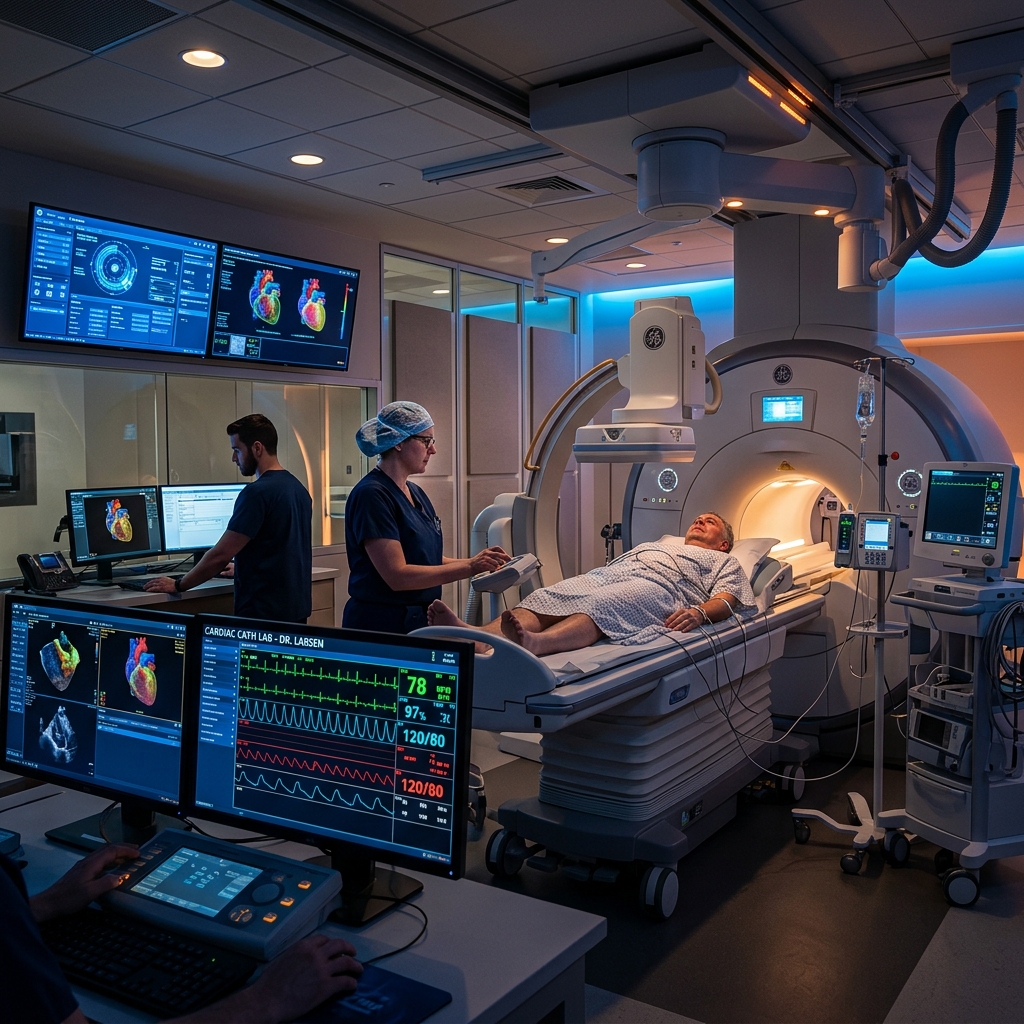
Cardiac Rehabilitation.
A medically supervised program combining structured exercise training, cardiovascular risk factor optimization, diet counseling, and psychological support. Proven to reduce recurrent event risk by 25–35%.
The Case for
Cardiac Rehabilitation
Reduction in cardiovascular mortality with cardiac rehabilitation (Cochrane meta-analysis)
Reduction in hospital readmission at 12 months in CR patients vs no CR
Of eligible cardiac patients in India currently receive structured rehabilitation
Recovery, Strength &
Secondary Prevention
Cardiac rehabilitation (CR) is a structured, multidisciplinary program classified by the ESC, ACC/AHA, and Indian guidelines as a Class I recommendation following myocardial infarction, coronary revascularization, and stable heart failure.
A systematic review of 63 randomized trials (Cochrane 2016) demonstrated that exercise-based CR reduces cardiovascular mortality by 26% and hospital readmissions by 18% compared with usual care. At Heartwise, every patient receives an individualized recovery path.
Why Cardiac Rehab is Underutilized
Most patients in India are discharged after angioplasty or CABG with a prescription and minimal structured physical guidance. Heartwise bridging clinics systematically close this secondary prevention gap.
Who Should
Enroll in CR?
Post-MI (Heart Attack)
All patients who survive STEMI or NSTEMI should begin CR within 2–4 weeks of hospital discharge to accelerate safety parameters and physical recovery.
After Coronary Angioplasty (PCI)
Stents fix the local blockage, but not the underlying chronic disease. CR optimizes blood pressure, LDL, and active lifestyle elements post-procedure.
After Bypass Surgery (CABG)
Crucial for sternotomy recovery, breathing exercises, functional reconstruction, and long-term bypass graft patency.
Heart Failure with Reduced EF (HFrEF)
Exercise training in stable HFrEF (EF <40%) is proven safe, improves cardiorespiratory capacity, and reduces heart failure hospitalizations.
After TAVR or Valve Surgery
Supervised exercise and nutritional support to reverse frailty and improve overall functional outcome markers.
Stable Angina
For medically managed stable cardiac patients, enabling optimal cardiovascular capacity without active revascularization.
The Three Phases of
Cardiac Rehabilitation
In-Hospital Phase
Early mobilization, breathing exercises, education about diagnosis, medications, and warning signs. Prevents deconditioning, deep vein thrombosis, and post-MI depression during initial recovery.
Supervised Outpatient
Structured, supervised exercise sessions (3/week), medication reviews, lipid optimization, BP control, nutritional guidance, and psychological support. The highly evidence-backed core component.
Maintenance Phase
Transition to independent physical activity, continuing a cardioprotective lifestyle, and regular clinic review checks with Dr. Amit Singh to monitor LDL, blood pressure targets, and stable health.
What the Heartwise
CR Programme Includes
Our cardiac rehabilitation program is customized individually based on the patient's diagnostic profile, current functional capacity in METs, and overall fitness baseline.
Supervised Exercise Training
Aerobic prescriptions based on initial stress test metrics (METs). Continuous or interval training with live heart-rate monitoring, progressing safely over 6–12 weeks.
Medical Nutrition Therapy
Dietary plans aimed at LDL reduction (Mediterranean-style), sodium restriction for heart failure, metabolic management, and Indian diet optimization.
Medication Optimisation
Maximizing Guideline-Directed Medical Therapy (GDMT) including high-intensity statins, antiplatelets, beta-blockers, and SGLT2 inhibitors with adherence coaching.
Risk Factor Modification
Structured blood pressure controls, HbA1c normalization, weight reduction, and smoking cessation targeting direct secondary prevention gaps.
Psychological Support & Education
Structured depression screening (PHQ-9) and active support programs covering return-to-work protocols, flight regulations, and family coaching.
Progress Monitoring & Review
Periodic ECG and functional capacity reviews at 6 and 12 weeks. Echo reassessments at 3–6 months to audit heart remodelling and function.
Cardiac Rehabilitation FAQ
Clear answers to help you navigate your treatment plan.
Clear answers to help you navigate your treatment plan.
01When should cardiac rehabilitation begin after a heart attack?
Phase I (in-hospital) begins on Day 1 after a heart attack — early mobilisation and breathing exercises prevent deconditioning and reduce hospital stay duration. Phase II (supervised outpatient programme) should begin 2–4 weeks after hospital discharge, once the patient is haemodynamically stable. Starting CR within 4 weeks of discharge is associated with significantly better functional outcomes and lower re-hospitalisation rates at 12 months. Do not wait for symptoms to improve on their own — early structured rehabilitation accelerates recovery.
02Is it safe to exercise after a heart attack or bypass surgery?
Yes — supervised, graded exercise is not only safe but essential after a cardiac event. The concern that exercise is dangerous after a heart attack is a common misconception that leads to prolonged deconditioning and worse outcomes. A pre-CR exercise stress test establishes the safe heart rate range for exercise, and all supervised sessions stay within this range. Serious adverse events during supervised cardiac rehabilitation are extremely rare — approximately 1 per 1.5 million patient-hours of exercise training. The risk of inactivity far exceeds the risk of supervised exercise.
03How long does the cardiac rehabilitation programme last?
The supervised Phase II programme at Heartwise lasts 6–12 weeks, with three sessions per week — a total of 18–36 supervised sessions. After completion, patients transition to Phase III maintenance — independent exercise to a prescribed plan, with quarterly follow-up at the Heartwise clinic for medication review, ECG, and risk factor monitoring. The lifestyle changes initiated during CR are lifelong — the programme is the beginning of an ongoing commitment to cardiovascular health, not a finite treatment course.
“Precision in cardiac diagnostics. Empathy in clinical care.”

Dr. Amit Singh, FACC
Consultant Interventional Cardiologist
Related Tests & Conditions
Cardiac rehabilitation is one part of a comprehensive cardiac care pathway. Explore related procedures and conditions.
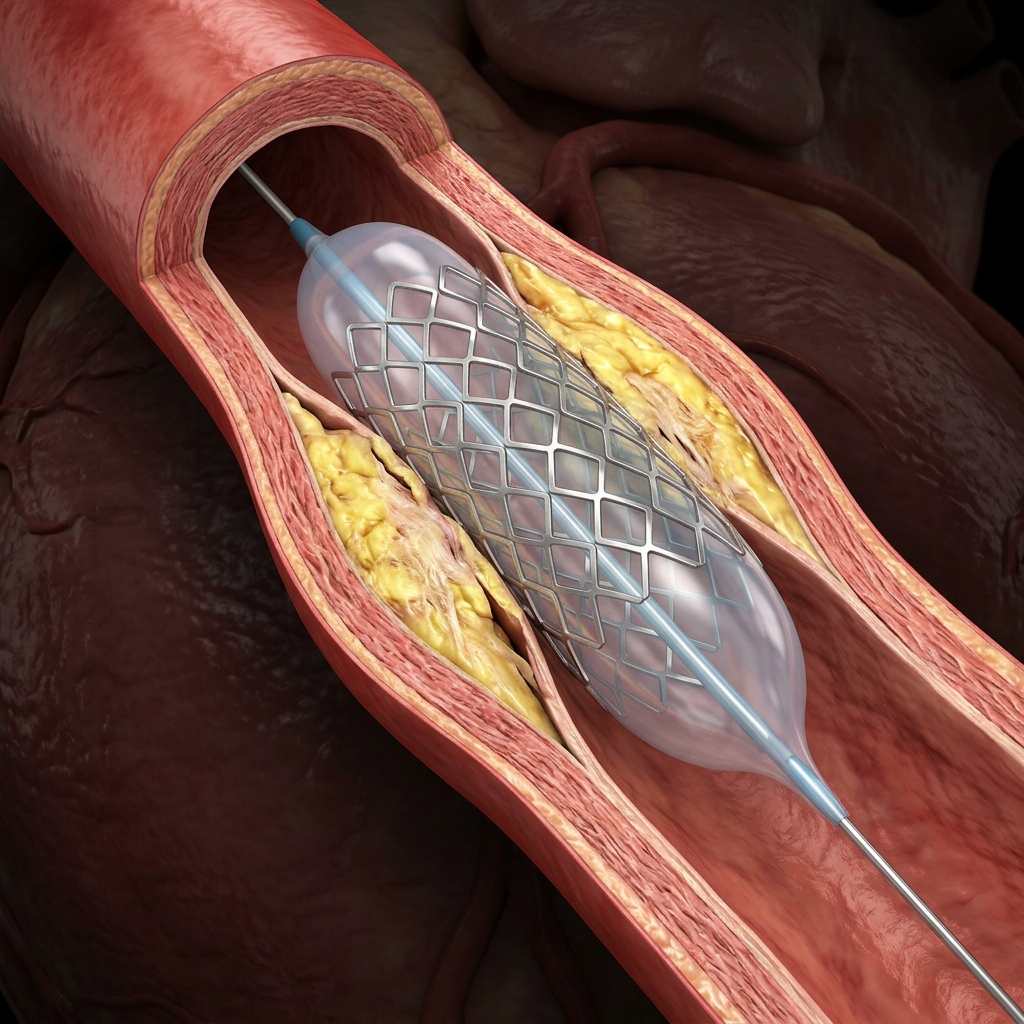
Coronary Angioplasty & Stenting
Balloon angioplasty and drug-eluting stent implantation — the procedure most patients undergo before entering cardiac rehabilitation.
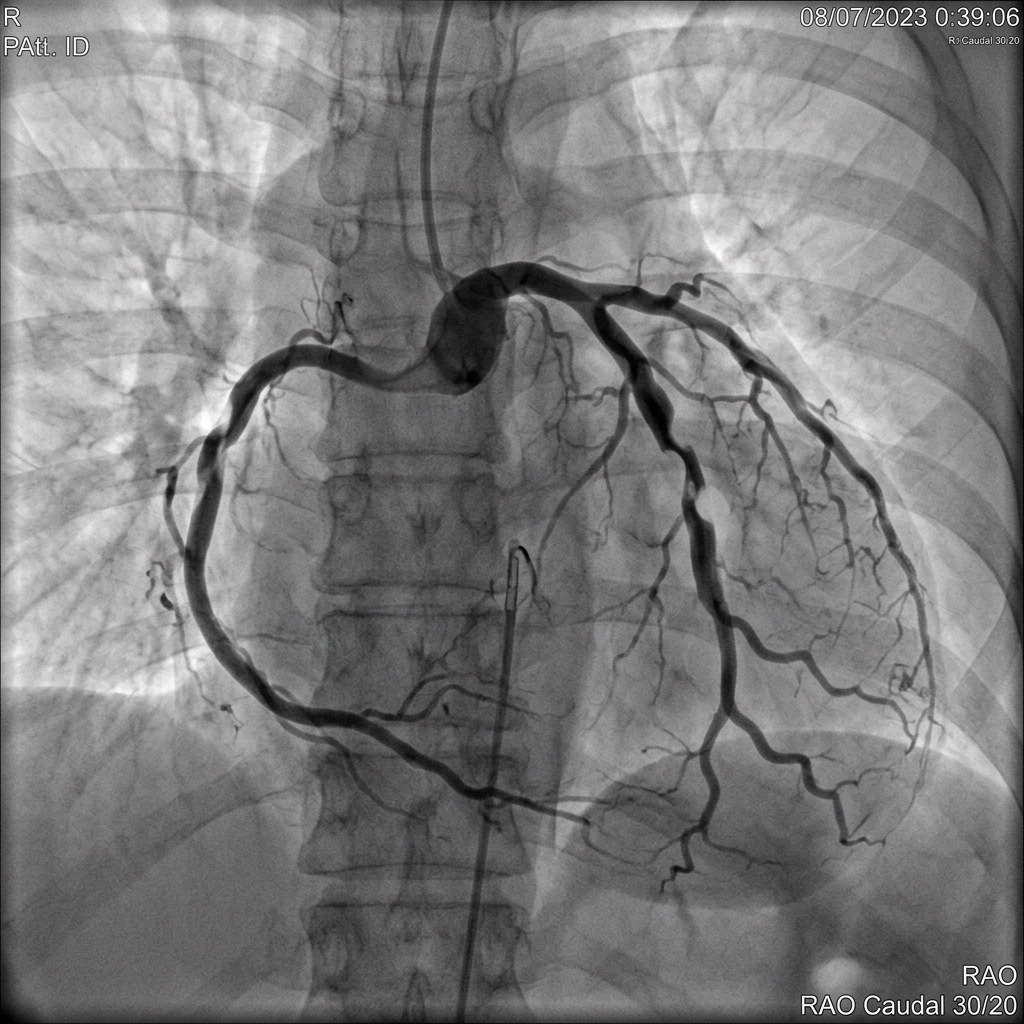
Coronary Angiography
Diagnostic coronary angiography to identify blockages and plan revascularisation prior to rehabilitation.

Heart Failure
Chronic heart failure management — cardiac rehabilitation is proven to reduce HF hospitalisations and improve functional capacity.

Preventive Cardiology
Preventive cardiology for patients who have not yet had a cardiac event but want to optimise their long-term heart health.
Ready to Consult Dr. Amit Singh?
Schedule a clinical consultation at Heartwise Cardiology Clinic, Sector 17, Vashi or Kokilaben Hospital, Navi Mumbai.
“True healing begins after the procedure is complete.”
Dr. Amit Singh, FACC
Consultant Interventional Cardiologist
Medical Disclaimer: This article has been written and reviewed by Dr. Amit Singh, FACC, for educational purposes only. It does not constitute personalised medical advice and should not be used as a substitute for a consultation with a qualified cardiologist. Individual clinical decisions must be made by a treating physician based on complete medical history and examination. If you are experiencing chest pain, breathlessness, or other cardiac symptoms, seek emergency medical care immediately.