Coronary Angiography: Your Guide to This Essential Heart Procedure
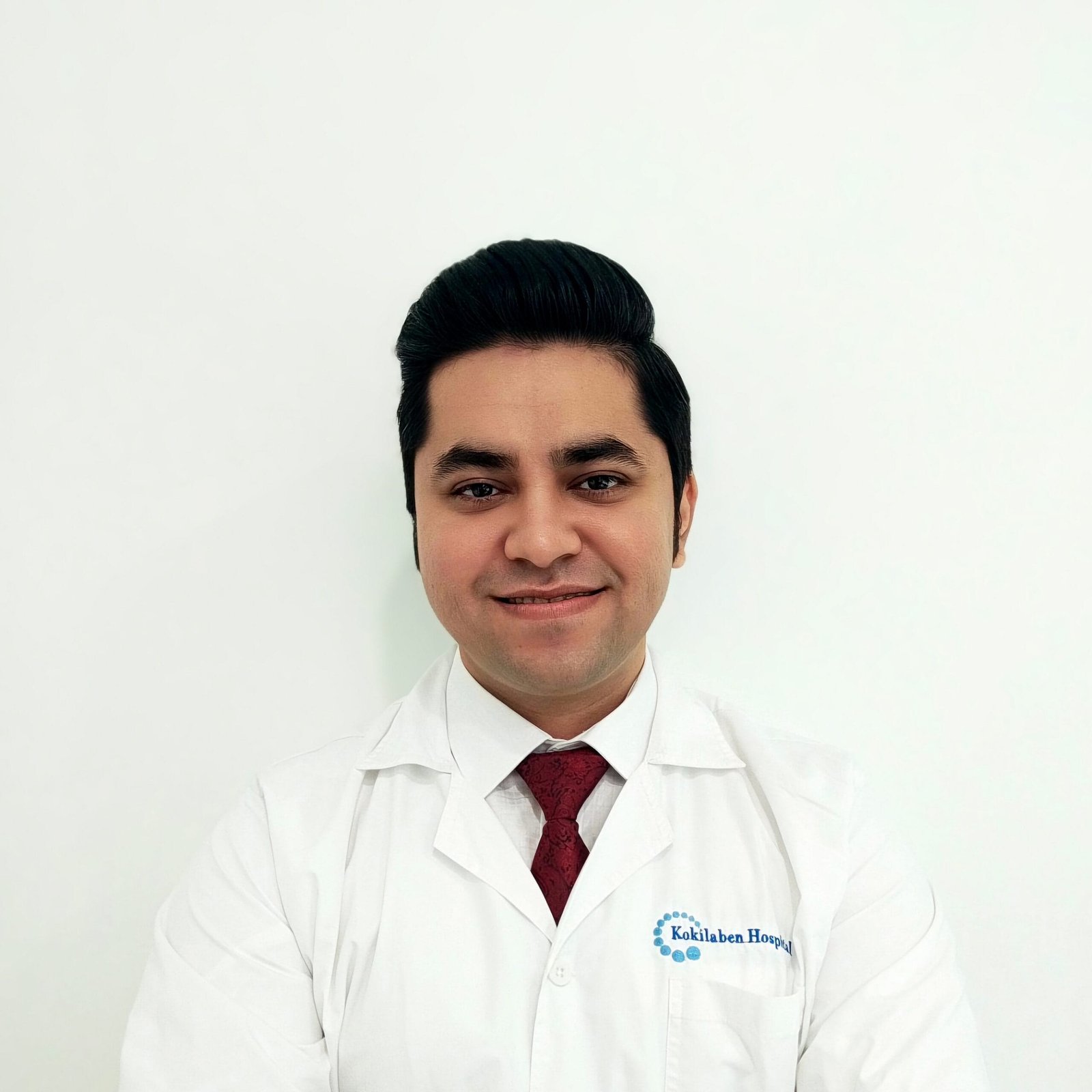
Dr Amit Singh is a renowned doctor in the field of interventional cardiology. He uses exceptional skills with his empathetic talent ensuring each patient receives personalized care. Specialized in Coronary Angiography Dr. Singh serves for Angioplasty, TAVR, Echocardiography, and stress testing. ensuring the highest standard of care
Coronary Artery Disease (CAD) also known as Ischemic Heart Disease is one of the leading causes of 7 million deaths across the globe targeting 7% of the urban population and 3.1% of the rural population in India.
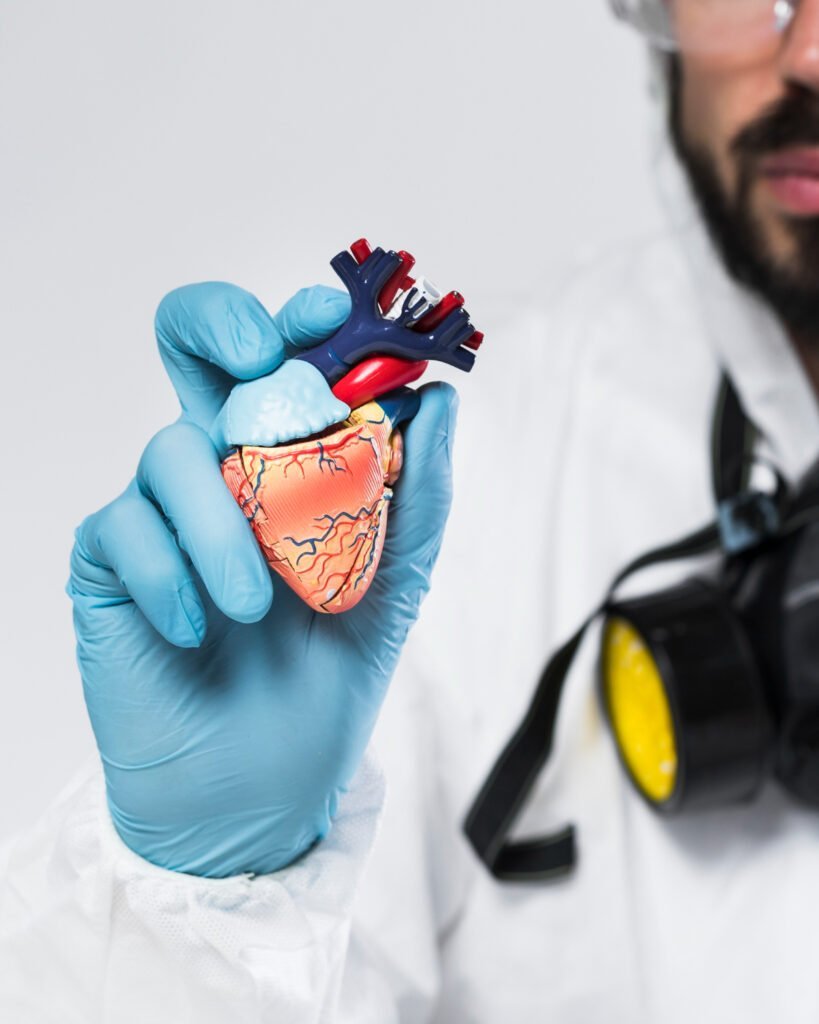
Coronary angiography is a minimally invasive imaging procedure that uses X-rays to visualize the blood vessels supplying your heart. It helps doctors detect blockages or narrowing in the coronary arteries, which can lead to heart disease.
Dr. Singh is the best heart surgeon in India with the best expertise to look for
Evaluate further, in case of abnormal echocardiography or stress test.
Assess heart function before or after a heart attack
Plan treatments like angioplasty or bypass surgery
What is Coronary Angiography and why is it performed?
Doctors may recommend coronary angiography to:
Diagnose coronary artery disease
Evaluate chest pain or angina
Evaluate further, in case of abnormal echocardiography or stress test.
Assess heart function before or after a heart attack
Plan treatments like angioplasty or bypass surgery
How is coronary angiography done?
What are the risks of coronary angiography?
Is coronary angiography painful?
Most patients experience minimal discomfort during the procedure. You’ll receive local anesthesia at the catheter insertion site and may be given a mild sedative to help you relax.
How long does coronary angiography take?
The procedure typically takes 30 minutes to an hour. However, you may need to stay in the hospital for several hours or overnight for observation.
What are the risks of coronary angiography?
While generally safe, potential risks include:
Bleeding or bruising at the catheter site
Allergic reactions to the contrast dye
Kidney damage (rare)
Heart attack or stroke (very rare)
How do I prepare for coronary angiography?
Your doctor will provide specific instructions, but generally:
Avoid eating or drinking for 6-8 hours before the procedure
Inform your doctor about any medications you’re taking
Arrange for someone to drive you home afterward
What happens after coronary angiography?
After the procedure:
You’ll rest for several hours
Your healthcare team will monitor your vital signs
You may be advised to drink plenty of fluids to flush out the contrast dye
Your doctor will discuss the results and any necessary follow-up care
Can coronary angiography detect all heart problems?
While coronary angiography is excellent for identifying blockages in coronary arteries, it may not detect all heart problems. Your doctor may recommend additional tests if needed.
Is coronary angiography the same as a stress test?
No, they’re different procedures. A stress test evaluates how your heart functions during physical activity, while coronary angiography directly visualizes your coronary arteries.
How accurate is coronary angiography?
Coronary angiography is considered the gold standard for diagnosing coronary artery disease, with high accuracy in detecting blockages and narrowing in the arteries.
By understanding coronary angiography, you can take an active role in your heart health.
Consult Dr. Amit Singh, for personalized advice and to determine if this procedure is right for you.
How is coronary angiography done?
The procedure involves:
Inserting a thin catheter into an artery in your arm or groin
Guiding the catheter to your heart
Injecting a contrast dye through the catheter
Taking X-ray images (angiograms) as the dye flows through your coronary arteries
Is coronary angiography painful?
Most patients experience minimal discomfort during the procedure. You’ll receive local anesthesia at the catheter insertion site and may be given a mild sedative to help you relax.
How long does coronary angiography take?
The procedure typically takes 30 minutes to an hour. However, you may need to stay in the hospital for several hours or overnight for observation.
What are the risks of coronary angiography?
While generally safe, potential risks include:
Bleeding or bruising at the catheter site
Allergic reactions to the contrast dye
Kidney damage (rare)
Heart attack or stroke (very rare)
How do I prepare for coronary angiography?
Your doctor will provide specific instructions, but generally:
Avoid eating or drinking for 6-8 hours before the procedure
Inform your doctor about any medications you’re taking
Arrange for someone to drive you home afterward
What happens after coronary angiography?
After the procedure:
You’ll rest for several hours
Your healthcare team will monitor your vital signs
You may be advised to drink plenty of fluids to flush out the contrast dye
Your doctor will discuss the results and any necessary follow-up care
Can coronary angiography detect all heart problems?
While coronary angiography is excellent for identifying blockages in coronary arteries, it may not detect all heart problems. Your doctor may recommend additional tests if needed.
Is coronary angiography the same as a stress test?
No, they’re different procedures. A stress test evaluates how your heart functions during physical activity, while coronary angiography directly visualizes your coronary arteries.
How accurate is coronary angiography?
Coronary angiography is considered the gold standard for diagnosing coronary artery disease, with high accuracy in detecting blockages and narrowing in the arteries.
By understanding coronary angiography, you can take an active role in your heart health.
Consult Dr. Amit Singh, for personalized advice and to determine if this procedure is right for you.
Posted on
Aditya Kumar
Trustindex verifies that the original source of the review is Google.
Posted on
Visnhu kumar Visnu
Trustindex verifies that the original source of the review is Google.
Posted on
Abhishek Kumar
Trustindex verifies that the original source of the review is Google.
Posted on
Rajesh Kumar
Trustindex verifies that the original source of the review is Google.
Posted on
Rajan Panikker
Trustindex verifies that the original source of the review is Google.
Excellent experience @his clinic.. Doctor is very interactive and explains in details about the diagnosis and medication..
Posted on
Prasenjit Podder
Trustindex verifies that the original source of the review is Google.
Prominent location with good parking facilities
Posted on
Dev Tiwari
Trustindex verifies that the original source of the review is Google.
Posted on
Khan ghous
Trustindex verifies that the original source of the review is Google.
Dr. Amit Singh managed my high blood pressure with a very clear and practical approach. No unnecessary tests just accurate assessment and the right treatment
Within a short time, my BP came under proper control and I felt much more stable. straightforward guidance make a real difference.
Strong clinical judgment. Reliable care
Posted on
ujwala suraj shetty
Trustindex verifies that the original source of the review is Google.
Excellent and I appreciate Dr Amit Singh for his kind and polite nature toward patient and even staffs r so Cooperative.
I would recommend people who have cardiac issues should refer Dr Amit Singh
Best cardiologist in the town
Posted on
Aakash Sharma
Trustindex verifies that the original source of the review is Google.
Verified by Trustindex
Trustindex verified badge is the Universal Symbol of Trust. Only the greatest companies can get the verified badge who has a review score above 4.5, based on customer reviews over the past 12 months. Read more
Your search for ‘cardiologist near me’ in Navi Mumbai ends here.
Dr. Amit Singh is a renowned double European Cardiology Society certified Consultant Cardiologist, currently attached to Kokilaben Dhirubhai Ambani Hospital, Navi Mumbai.
What is Coronary Angiography and why is it performed?
Coronary Angiography is a medical imaging procedure used to visualize the inside of your coronary arteries. It helps doctors identify blockages or narrowing in the arteries that could lead to heart problems. This procedure is essential for diagnosing conditions like coronary artery disease and determining the best treatment options to restore proper blood flow to the heart.
How should I prepare for a Coronary Angiography?
Preparation for a Coronary Angiography includes fasting for at least 6-8 hours before the procedure. Inform your doctor about any medications you’re taking, as some may need to be adjusted. It’s crucial to let your healthcare team know about any allergies, especially to iodine or shellfish, as the contrast dye used during the procedure contains iodine. Wear comfortable clothing and arrange for someone to drive you home afterward, as you may feel drowsy from the sedative used during the procedure.
What happens during the Coronary Angiography procedure?
During the procedure, you will lie on a table while a local anesthetic is applied to numb the insertion site, usually in the groin or wrist. A thin tube called a catheter is inserted into the artery and guided to your heart. A contrast dye is then injected through the catheter, making your coronary arteries visible on X-ray images. The doctor will take multiple images to identify any blockages or abnormalities. The procedure typically lasts about 30-60 minutes.
Are there any risks or side effects associated with Coronary Angiography?
Like any medical procedure, Coronary Angiography carries some risks. These can include bleeding or bruising at the catheter insertion site, allergic reactions to the contrast dye, or, in rare cases, damage to the blood vessels. However, serious complications are uncommon. Your healthcare team at HeartWise takes every precaution to minimize these risks and ensure your safety throughout the procedure.
What can I expect after the Coronary Angiography?
After the procedure, you’ll be monitored in a recovery area for a few hours. You may feel some soreness at the insertion site, which should subside within a few days. It’s important to drink plenty of fluids to help flush the contrast dye from your system. Avoid strenuous activities for a few days as your body heals. Your doctor will discuss the results with you and recommend any necessary follow-up treatments or lifestyle changes to improve your heart health.