
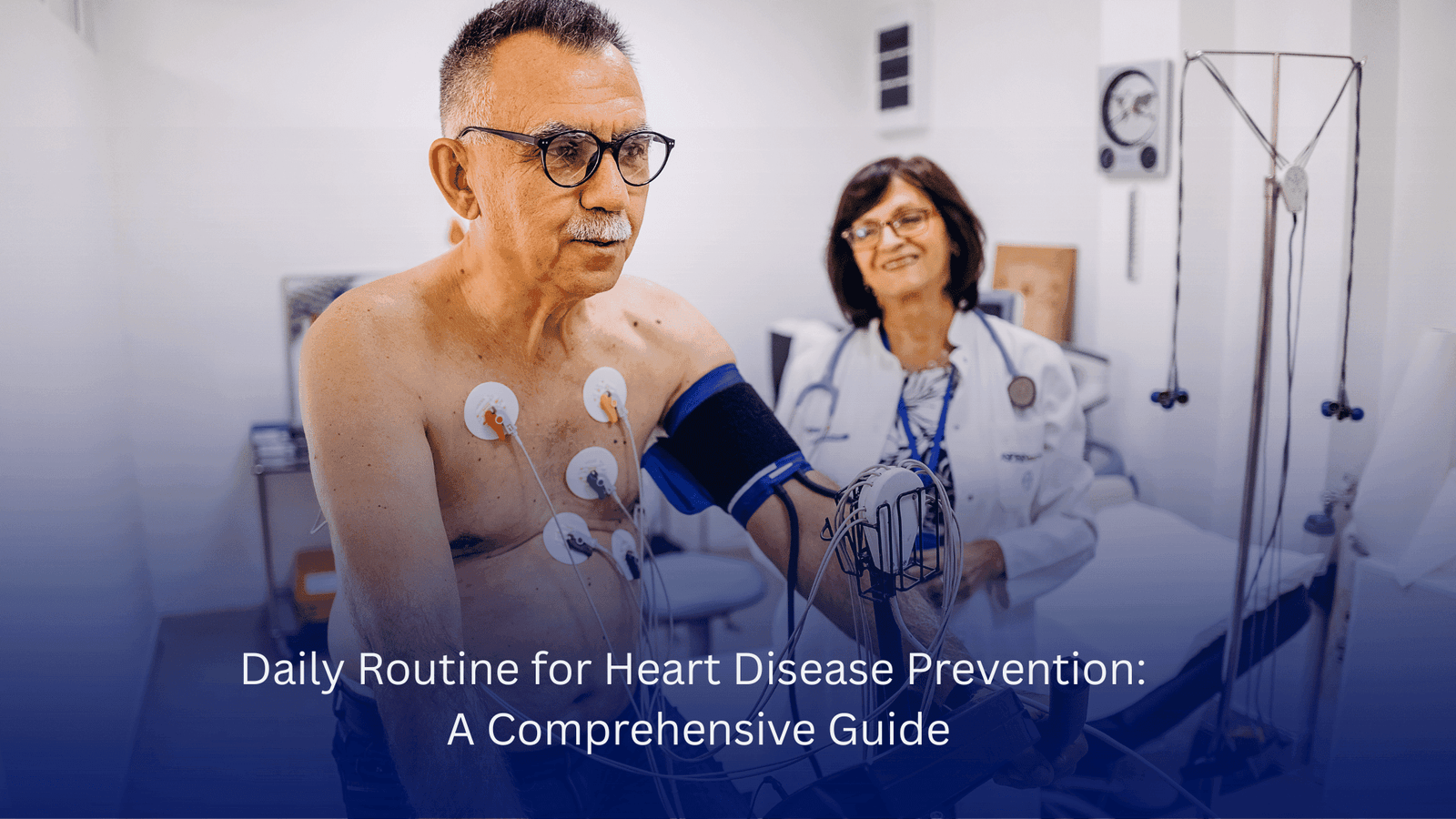
Daily Routine for Heart Disease Prevention
Heart disease remains one of the leading causes of death worldwide, but the good news is that many cases are preventable through lifestyle choices. Developing a heart-healthy daily routine can significantly reduce your risk of heart-related conditions such as hypertension, coronary artery disease, and heart failure. This guide offers a simple, easy-to-follow, and scientifically supported daily routine to protect your heart health and boost your overall well-being.
1. Why a Daily Routine Matters for Heart Health
Your heart is a hardworking muscle, beating about 100,000 times a day. Small, consistent actions in your daily life can have a big impact on how well your heart functions. A well-structured daily routine helps regulate:
- Blood pressure
- Cholesterol levels
- Blood sugar
- Stress and anxiety
- Sleep patterns
- Body weight
Let’s dive into a step-by-step breakdown of what a heart-healthy day looks like.
2. Morning Routine: Start Strong
Wake Up Early (6:00–7:00 AM)
Getting up early helps regulate your circadian rhythm and reduces stress levels.
Hydrate First Thing
Drink a glass of warm water with lemon. It helps kickstart metabolism, flush out toxins, and support digestion.
Practice Mindfulness or Meditation (5–10 Minutes)
Stress management is crucial for heart health. Deep breathing or guided meditation can lower cortisol and blood pressure.
Morning Stretch or Yoga (10–15 Minutes)
Gentle movements increase circulation, reduce stiffness, and prepare your body for the day.
Heart-Healthy Breakfast (7:30–8:30 AM)
Eat a balanced breakfast with:
- Oats or whole grain toast
- Berries or fruits
- Nuts and seeds (almonds, walnuts, flaxseeds)
- Low-fat dairy or plant-based milk
Avoid:
- Processed sugars
- Fried foods
- High-sodium items
3. Mid-Morning: Stay Active and Focused
Short Walk or Light Movement (10:00 AM)
Take a quick 5–10 minute walk to break sedentary time. Prolonged sitting can negatively affect cardiovascular health.
Snack Wisely (10:30–11:00 AM)
Good options include:
- A handful of almonds or walnuts
- Apple slices with peanut butter
- Greek yogurt
Avoid:
- Sugary snacks
- Packaged chips or pastries
4. Afternoon Routine: Maintain Energy and Balance
Heart-Healthy Lunch (12:30–1:30 PM)
Opt for:
- Grilled or baked lean protein (chicken, fish, tofu)
- Whole grains (quinoa, brown rice)
- Leafy greens and colorful vegetables
- Olive oil or avocado for healthy fats
Avoid:
- Excess salt
- Saturated fats
- Sugary drinks
Post-Lunch Walk (10–15 Minutes)
Helps with digestion, stabilizes blood sugar, and improves circulation.
Stress Management Break (2:00–3:00 PM)
Take a break for:
- Deep breathing
- Listening to music
- Talking to a friend
Smart Snacking (3:30–4:30 PM)
Options:
- Mixed nuts
- Carrot sticks and hummus
- A banana or orange
5. Evening Routine: Wind Down Wisely
Exercise or Physical Activity (5:30–6:30 PM)
Aim for at least 30 minutes of moderate-intensity aerobic exercise like:
- Brisk walking
- Cycling
- Swimming
- Dancing
Benefits:
- Improves cardiovascular fitness
- Regulates blood pressure
- Supports weight management
Dinner (7:00–8:00 PM)
Choose:
- Steamed vegetables
- Lentils or beans
- A small serving of whole grains
- Grilled fish or tofu
Avoid:
- Heavy, greasy meals
- Late-night snacking
Family Time or Hobbies (8:00–9:00 PM)
Emotional well-being plays a role in heart health. Engage in activities that make you happy.
Digital Detox (9:00–9:30 PM)
Reduce screen time to lower stress and improve sleep quality.
6. Nighttime Routine: Prepare for Restorative Sleep
Light Stretching or Meditation
Prepare your body for rest and reduce muscle tension.
Consistent Sleep Schedule (10:00 PM)
- Aim for 7–8 hours of quality sleep
- Keep the bedroom dark, cool, and quiet
Sleep deprivation is linked to high blood pressure, obesity, and increased risk of heart disease.
7. Weekly Additions to Your Routine
Grocery Planning and Meal Prep
- Shop for heart-friendly ingredients
- Avoid buying processed foods
Social Interactions
- Stay connected with family and friends
- Join a fitness or meditation group
Health Monitoring
- Check blood pressure weekly
- Track your weight
- Monitor physical activity with a fitness tracker
8. Important Lifestyle Habits to Support Heart Health
Quit Smoking
- Smoking damages arteries and reduces oxygen in the blood
- Seek help through counseling, nicotine patches, or apps
Limit Alcohol
- Moderate consumption (1 drink/day for women, 2 for men)
- Excess alcohol raises blood pressure
Stay Hydrated
- Aim for 8–10 glasses of water per day
Practice Gratitude
- Journaling positive moments can reduce stress hormones
Mind Your Weight
- Maintain a healthy BMI
- Focus on fat loss rather than just weight loss
9. Heart-Healthy Foods to Include Daily
- Berries: Rich in antioxidants
- Leafy Greens: Source of nitrates and fiber
- Whole Grains: Lower cholesterol
- Nuts: Improve blood vessel function
- Legumes: Lower blood sugar and pressure
- Fish: Omega-3 fatty acids for heart protection
- Olive Oil: Healthy fat that reduces inflammation
10. Foods and Habits to Avoid
Unhealthy Foods
- Processed meats (salami, bacon)
- Sugary snacks and drinks
- Fried foods
- Excessive sodium
Harmful Habits
- Skipping meals
- Lack of exercise
- Chronic stress
- Overuse of painkillers
11. Signs You’re on the Right Track
- Stable or improved blood pressure readings
- Better sleep quality
- More energy throughout the day
- Positive mood and reduced stress
- Healthier weight
Consistency is key. Changes may take weeks or months to show measurable results, but every positive step counts.
12. Final Thoughts: Make Heart Health a Habit
Preventing heart disease doesn’t require extreme diets or exhausting workouts. A sustainable daily routine—rich in nutritious foods, physical activity, stress management, and quality sleep—can be your strongest ally.
Start small. Replace one unhealthy habit at a time. Over time, these positive changes will add up and create a lifestyle that supports lifelong cardiovascular health.
Want more heart-healthy tips? Stay updated by subscribing to our blog at Heartwise.in and take charge of your heart health today.
