Pacemaker Implantation | Dr. Amit Singh – best Cardiologist in Navi Mumbai
The Best Surgeon in Mumbai
Pacemaker Implantation: Your Complete Guide to Restoring Heart Rhythm
Are you experiencing an irregular heartbeat, fatigue, or fainting spells? A pacemaker surgery by the best Cardiologist in India might be your solution. At Dr. Singh’s care every patient gets a personalized treatment.
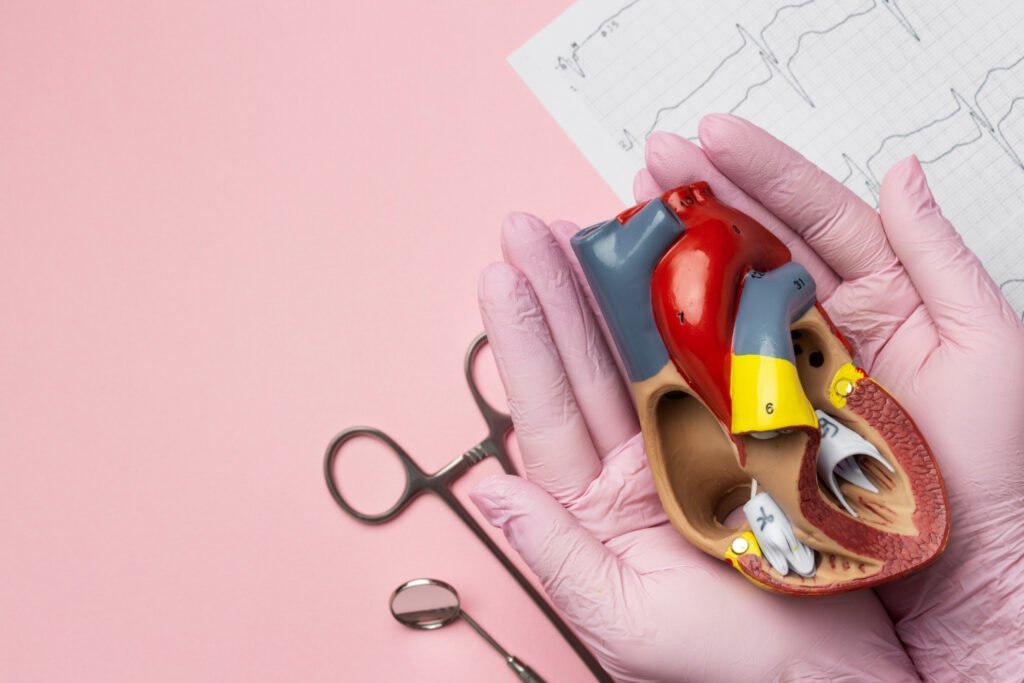
A pacemaker is a small electronic device implanted in the chest to help control your heart’s rhythm. It uses electrical pulses to prompt the heart to beat at a normal rate, treating conditions like bradycardia (slow heartbeat) or heart block.
Inserting leads (thin wires) through a vein into the heart
Placing the pacemaker generator under the skin
Testing the device to ensure proper function Is pacemaker implantation painful?
The procedure is performed under local anesthesia with sedation. Most patients experience minimal discomfort during and after the implantation.
How long does pacemaker implantation take?
When performed by an expert cardiologists, procedure usually takes 1-2 hours. However, you may need to stay in the hospital overnight for observation.
What are the risks of pacemaker implantation?
While generally safe, potential risks include:
Infection at the implantation site
Bleeding or bruising
Lead dislodgement
Rare complications like collapsed lung or heart perforation
How do I prepare for pacemaker implantation?
Preparation typically involves:
Fasting for several hours before the procedure
Informing your doctor about all medications you’re taking
Arranging for someone to drive you home after the procedure
What happens after pacemaker implantation?
After the procedure:
You’ll rest in a recovery area for several hours
Your healthcare team will monitor your heart rhythm and the pacemaker’s function
You’ll receive instructions on wound care and activity restrictions
A follow-up appointment will be scheduled to check your pacemaker
How long is the recovery period after pacemaker implantation?
Most people can return to normal activities within a few days to weeks. Your doctor will provide specific guidelines based on your condition for post-operative care and cardiac rehabilitation if needed.
Will a pacemaker affect my daily life?
Modern pacemakers are designed to minimally impact daily life. However, you should:
– Avoid strong electromagnetic fields – Carry a pacemaker identification card – Inform healthcare providers and security personnel about your pacemaker
How long do pacemakers last?
Pacemakers typically last 5-15 years, depending on usage and battery life. Regular check-ups will help determine when replacement is needed.
Can I exercise with a pacemaker?
Yes, most patients can exercise with a pacemaker. Your doctor will provide guidance on appropriate activities and any restrictions (postoperative care and cardiac rehabilitation)
Will I feel the pacemaker working?
Most people don’t feel their pacemaker working. You might notice a slight weight in your chest initially, but this sensation typically subsides.
How often should I have my pacemaker checked?
Your pacemaker should be checked every 3-6 months, either in-person or through remote monitoring. Your cardiologist will determine the best follow-up schedule for you.
Can I use electronic devices with a pacemaker?
Most electronic devices are safe to use with pacemakers. However, it’s best to keep cell phones and other devices at least 6 inches away from your pacemaker site.
Is pacemaker implantation covered by insurance?
Most health insurance plans cover pacemaker implantation when it’s deemed medically necessary. Check with your insurance provider for specific coverage details.
Understanding pacemaker implantation can help you make informed decisions about your heart health. If you’re experiencing symptoms of an irregular heartbeat or have been recommended for a pacemaker, consult Dr. Amit Singh, our expert cardiologist for a comprehensive evaluation and personalized treatment plan.
Remember, a pacemaker can significantly improve your quality of life and reduce symptoms associated with heart rhythm disorders. Schedule your heart health consultation today!
FAQs
What is a pacemaker, and why might I need one?
A pacemaker is a small electronic device implanted in the chest to help regulate abnormal heart rhythms. You might need a pacemaker if you have arrhythmias (irregular heartbeats) that cause symptoms like dizziness, fatigue, or fainting. It ensures your heart beats at a normal rate, improving your overall heart function and quality of life.
How is the pacemaker implantation procedure performed?
Pacemaker implantation is a relatively straightforward procedure typically done under local anesthesia. During the procedure, Dr. Amit Singh makes a small incision near your collarbone and inserts the pacemaker leads into a vein that leads to your heart. The device is then positioned under your skin. Most patients can go home the same day or the next day.
What can I expect during recovery after pacemaker implantation?
Recovery from pacemaker implantation is usually quick. You may experience some soreness and swelling at the incision site, which should subside within a few days. Dr. Amit Singh will provide specific instructions on activity restrictions and how to care for your incision. Most patients return to their normal activities within a few weeks, with follow-up appointments to ensure the pacemaker is functioning correctly.
Are there any risks or complications associated with pacemaker implantation?
Like any medical procedure, pacemaker implantation carries some risks, including infection, bleeding, or lead displacement. However, these complications are rare. Dr. Amit Singh and the HeartWise team take every precaution to minimize risks and ensure a safe and successful implantation. Regular follow-ups will help monitor the pacemaker’s performance and address any concerns promptly.
How long does a pacemaker last, and will I need future procedures?
A pacemaker’s battery life typically ranges from 5 to 15 years, depending on the type and usage. When the battery starts to deplete, you’ll need a minor surgical procedure to replace the device. Regular check-ups with Dr. Amit Singh will help track the pacemaker’s function and battery life, ensuring timely replacements to maintain your heart’s rhythm and your well-being.