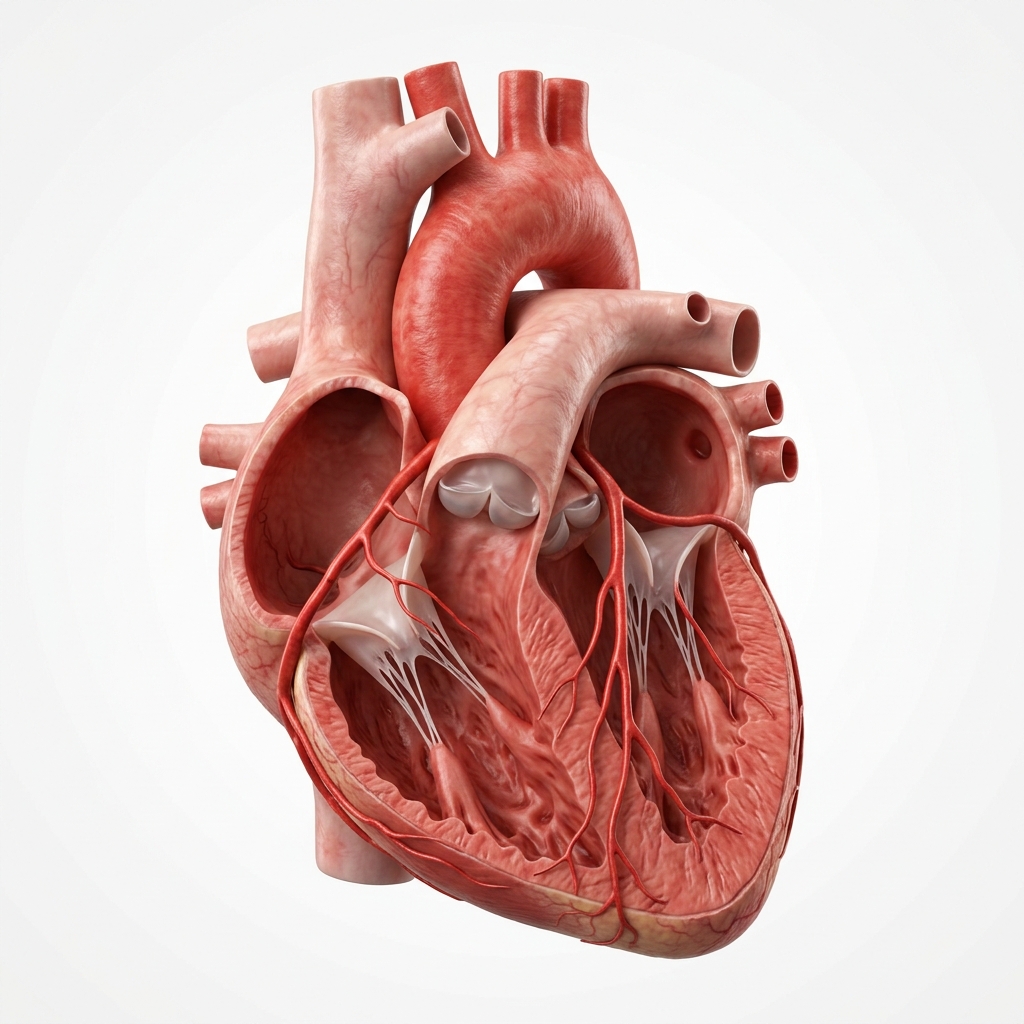
Aortic Stenosis
Aortic valve stenosis is the progressive narrowing of the aortic valve orifice. Modern transcatheter valve replacement (TAVR) has revolutionised treatment, offering exceptional recovery and outcomes.
The Pathology of Aortic Valve Narrowing
Aortic stenosis restricts the flow of blood out of the heart's primary pumping chamber, leading to severe pressure loads on the ventricle.
The normal aortic valve opening is between 3.0 to 4.0 cm². Degenerative calcification narrows this space. When it reaches severe parameters (<1.0 cm²), the heart can no longer compensate, triggering rapid symptom onset.
Causes & Risk Factors for Aortic Stenosis
Aortic stenosis arises from degenerative, congenital, or rheumatic processes.
Degenerative Calcific AS
Age-related calcification of a trileaflet valve — most common cause in patients >70 years. Risk factors include hypertension, diabetes, hyperlipidaemia, and smoking.
Bicuspid Aortic Valve (BAV)
Congenital condition where the valve has two leaflets instead of three. Present in 1–2% of the population. Causes AS 2–3 decades earlier (age 50–65). Associated with ascending aortopathy.
Rheumatic Heart Disease
Rheumatic valve damage following childhood streptococcal infection. Causes combined AS and AR (aortic regurgitation). More common in developing countries.
Chronic Kidney Disease
CKD accelerates vascular and valvular calcification due to disordered calcium-phosphate metabolism. AS progresses faster in dialysis patients.
Genetic Factors
NOTCH1 gene mutation associated with bicuspid valve and early calcification. Lp(a) elevation is an independent risk factor for AS progression.
Radiation Therapy
Previous mediastinal radiation (for lymphoma, breast cancer) causes accelerated valve calcification and fibrosis, typically 10–20 years after treatment.
Echo Grading Guidelines
We grade aortic stenosis severity precisely via multi-parameter Doppler echocardiography parameters.
| Severity Grade | Echo Metrics (AVA & Gradients) | Clinical Guideline Strategy |
|---|---|---|
| Mild | AVA >1.5 cm² · Mean gradient <20 mmHg · Vmax <3.0 m/s | Annual echo surveillance. No symptoms typically. Lifestyle + cardiac risk factor control. |
| Moderate | AVA 1.0–1.5 cm² · Mean gradient 20–40 mmHg · Vmax 3.0–4.0 m/s | Echo every 1–2 years. Evaluate for symptoms at each visit. |
| Severe | AVA <1.0 cm² · Mean gradient >40 mmHg · Vmax >4.0 m/s | Valve replacement if any symptoms. Asymptomatic: echo every 6–12 months. |
| Very Severe | AVA <0.6 cm² · Mean gradient >60 mmHg · Vmax >5.0 m/s | Valve replacement even in asymptomatic patients — high gradient indicates imminent decompensation. |
The Symptom Triad: Survival Timelines
Aortic stenosis progresses silently, but once physical symptoms present, survival drops dramatically without mechanical repair.
Angina
~3 years survivalMedian survival after onset of exertional chest pain is ~3 years. 50% of patients die within 3 years without intervention. Chest pain results from LV pressure overload and increased oxygen demand.
Syncope
~2–3 years survivalExertional fainting occurs when cardiac output cannot increase adequately. Sudden cardiac death risk is high. Median survival is ~2–3 years after onset.
Breathlessness (HF)
~1–2 years survivalWorst prognosis — indicates the LV has decompensated. Survival is 50% at 1–2 years without urgent valve replacement.
How Is Aortic Stenosis Diagnosed?
Doppler echocardiography is the definitive diagnostic tool for aortic stenosis.
Transthoracic Echocardiography (TTE)
Measures aortic valve area (AVA) by continuity equation, peak velocity across the valve (Vmax), and mean gradient. TTE is the primary diagnostic and surveillance tool.
CT Aortogram & Valve Scoring
Quantifies valve calcification (Agatston score — >2000 AU in men, >1200 AU in women indicates severe AS). Assesses annular dimensions for TAVR planning and aortopathy.
Exercise Testing
In asymptomatic severe AS, treadmill test unmask symptoms or abnormal BP response. A positive test triggers earlier valve intervention (Class IIa).
Cardiac Catheterisation
Direct measurement of transvalvular gradient. Rarely needed — reserved when non-invasive tests are discordant or inconclusive.
BNP / NT-proBNP
Elevated BNP in AS correlates with symptom severity and LV decompensation. Serial measurement helps time intervention in asymptomatic patients.
Natural History Without Intervention
Aortic stenosis follows a predictable downhill course once symptoms develop.
Angina — Onset to Death ~3 Years
Exertional chest pain marks the beginning of the symptomatic phase. Without valve replacement, median survival is approximately 3 years.
Syncope — Onset to Death ~2–3 Years
Fainting on exertion indicates fixed cardiac output. Risk of sudden cardiac death is elevated.
Heart Failure — Onset to Death ~1–2 Years
Breathlessness is the most ominous symptom. It means the left ventricle has decompensated and cannot maintain adequate output.
Sudden Cardiac Death
AS carries a risk of sudden death, especially during the symptomatic phase. This is prevented by timely valve replacement.
ESC & AHA Intervention Criteria
Clear, evidence-backed clinical triggers that determine when a patient must undergo valve replacement.
TAVR (Transcatheter AVR)
PARTNER 3: 1.0% vs 3.3% 30-day compositeCatheter-based valve delivery via femoral artery. No chest incision, shorter recovery. PARTNER 3 proved TAVR superiority in low-risk patients.
SAVR (Surgical AVR)
Durable surgical valvesOpen-chest valve replacement. Preferred in young patients (<65), bicuspid valve, and when concomitant CABG or other cardiac surgery is needed.
Class I — Mandatory
ESC/AHA Class ISevere AS + any symptoms (angina, syncope, breathlessness). Severe AS + LVEF <50%. Very severe AS + high gradient. Valve replacement as soon as feasible.
Medications for Aortic Stenosis
No medication has been proven to slow AS progression or improve outcomes in severe disease.
| Medication | Role in AS | Evidence |
|---|---|---|
| No proven disease-modifying drug | No medication slows progression of aortic stenosis | Lipid-lowering therapy not effective (SALTIRE, SEAS trials) |
| Antihypertensives | Cautious BP management | ACEi/ARB safe in AS but avoid hypotension. Beta-blockers if concurrent CAD |
| Diuretics | Symptom relief for HF symptoms | Furosemide for pulmonary congestion. Do not delay valve replacement |
Lifestyle with Aortic Stenosis
Patients with AS should avoid strenuous activity and maintain regular follow-up.
Avoid Strenuous Exertion
Modify activity levelAvoid heavy lifting, competitive sports, and maximal exertion. These cause sudden pressure load on the LV potentially triggering syncope or sudden death.
Regular Echo Surveillance
Essential monitoringEcho every 6–12 months for severe AS, 1–2 years for moderate. Report any new symptoms immediately.
Heart-Healthy Diet
Risk factor controlControl BP, cholesterol, and diabetes. Mediterranean diet recommended. Salt restriction if hypertension present.
Symptom Awareness
Emergency warning signsReport any new chest pain, shortness of breath, or fainting immediately. These are triggers for urgent valve evaluation.
Definitive Clinical Trials
The safety and efficacy of TAVR versus open-chest surgery has been proven across extensive multi-centre randomized trials.
| Trial | Key Finding | Clinical Implication |
|---|---|---|
| PARTNER B (NEJM 2010) | TAVR reduced all-cause mortality by 46.2% at 1 year vs medical therapy in inoperable patients | TAVR is life-saving for inoperable AS |
| PARTNER 3 (NEJM 2019) | TAVR 1.0% vs SAVR 3.3% for 30-day death/stroke/rehospitalisation in low-risk patients | TAVR superior or equivalent across all risk groups |
| PARTNER 2 (NEJM 2016) | TAVR non-inferior to SAVR in intermediate-risk patients at 2 years | TAVR extends to intermediate risk |
| ESC 2021 / AHA 2020 Guidelines | TAVR recommended for age ≥75 years across all risk levels | Heart Team decision for individualised therapy |
When to See a Doctor
Certain symptoms in AS require immediate medical evaluation.
New Chest Pain (Angina)
Onset of exertional chest pain in a patient with known AS requires urgent evaluation — median survival is only ~3 years without intervention.
Fainting (Syncope)
Exertional syncope indicates advanced AS with fixed cardiac output. Risk of sudden death is high. Emergency evaluation is required.
Worsening Breathlessness
Progressive dyspnoea or orthopnoea signals LV decompensation. Urgent valve replacement is typically indicated.
Rapid Progression on Echo
If annual echo shows a rapid increase in gradient (>20 mmHg/year), intervention may be needed even without symptoms.
Frequently Asked Questions
Detailed, peer-reviewed clarifications regarding aortic valve stenosis and TAVR options.
01What is aortic stenosis?
Aortic stenosis (AS) is the progressive narrowing of the aortic valve — the valve between the left ventricle and the aorta — due to calcification and fibrosis of the valve leaflets. As the valve narrows, the left ventricle must generate progressively higher pressures to force blood through the obstructed opening, leading to hypertrophy, diastolic dysfunction, and eventually failure.
02What are the symptoms of aortic stenosis and when do they develop?
The classic triad of severe aortic stenosis symptoms consists of: 1) Angina — chest pain on exertion; 2) Syncope — fainting on exertion; and 3) Breathlessness (dyspnoea) — the earliest symptom of heart failure. Once symptoms develop, survival without valve intervention deteriorates rapidly (1 to 3 years median survival).
03What is the difference between TAVR and open-heart surgery for aortic stenosis?
TAVR (Transcatheter Aortic Valve Replacement) is a catheter-based procedure — a new valve is delivered via the femoral artery and expanded within the diseased native valve, without opening the chest. SAVR requires open-chest surgery. PARTNER 3 (NEJM 2019) demonstrated TAVR's superiority or equivalence across all surgical risk groups.
04Can aortic stenosis be treated with medication?
No medication has been proven to slow the progression of aortic stenosis or improve outcomes once the valve is significantly narrowed. Once severe symptomatic AS develops, valve replacement (TAVR or SAVR) is the only effective treatment.
05What is a bicuspid aortic valve?
A bicuspid aortic valve is a congenital heart condition where the aortic valve has two leaflets instead of the normal three. It is the most common congenital heart defect, affecting approximately 1–2% of the population. People with bicuspid valves develop aortic stenosis earlier in life — typically in their 50s or 60s, compared to 70s or 80s for patients with trileaflet valves who develop degenerative calcific stenosis. Bicuspid valves are also associated with aortic root dilation and increased risk of aortic dissection. Anyone with a bicuspid valve needs lifelong echocardiographic surveillance of both valve function and ascending aortic size, even if the valve is functioning normally.
06Can aortic stenosis be prevented or slowed down?
Currently, no medication has been proven to prevent or slow the progression of aortic stenosis once the valve starts to calcify — this is different from coronary artery disease, where statins and lifestyle changes are effective. Early studies suggested statins might help, but large trials (SALTIRE, SEAS) did not demonstrate any benefit in slowing stenosis progression. The only definitive treatment remains valve replacement — either surgical (SAVR) or transcatheter (TAVR) — once symptoms develop or the stenosis becomes severe. However, aggressive treatment of coexisting hypertension and coronary artery disease is essential, as these conditions increase the workload on the heart and worsen outcomes in patients with aortic stenosis.
07How long does a TAVR valve last?
TAVR valves have demonstrated excellent durability. The 5-year and 8-year follow-up data from the PARTNER trials show that TAVR valves maintain good haemodynamic function with no evidence of structural deterioration in the majority of patients. The NOTION trial, which randomised low-risk patients to TAVR vs SAVR, reported that at 10 years, bioprosthetic valve failure rates were similar between TAVR and surgical valves (approximately 10–15%). For patients over 75, a TAVR valve is expected to last the rest of their life in most cases. For younger patients, a TAVR valve may eventually require a second procedure (valve-in-valve TAVR), which is a well-established and safe option.
08Can I exercise with aortic stenosis?
Exercise recommendations depend on the severity of the stenosis. Patients with mild aortic stenosis and no symptoms can participate in all forms of exercise without restriction, although annual echocardiographic follow-up is recommended. Patients with moderate stenosis should avoid competitive sports and heavy weightlifting but can engage in moderate aerobic exercise such as walking, light cycling, and swimming. Patients with severe aortic stenosis should avoid strenuous exercise and any competitive sports — even if they feel well — as sudden cardiac death during exertion is a known risk. Once the valve is replaced (TAVR or SAVR), most patients can return to normal physical activity, including exercise, after appropriate recovery and cardiac rehabilitation.
“Advanced cardiovascular care. Restoring life, rhythm, and vitality.”

Dr. Amit Singh, FACC
Consultant Interventional Cardiologist
Cardiac Services Available at Heartwise
Dr. Amit Singh offers comprehensive cardiac diagnostics and management for this condition at Heartwise Cardiology Clinic, Vashi.
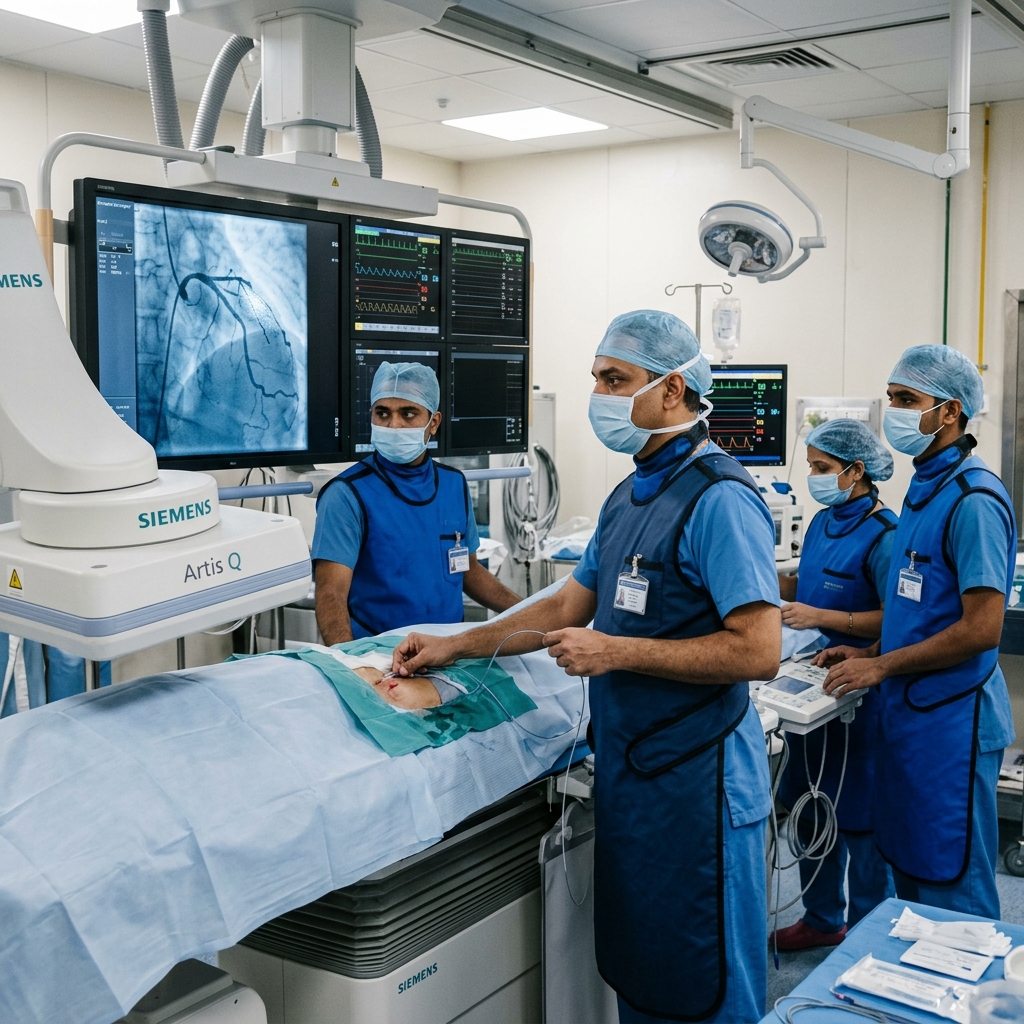
TAVR Valve Replacement
Minimally invasive transcatheter aortic valve replacement without open surgery.
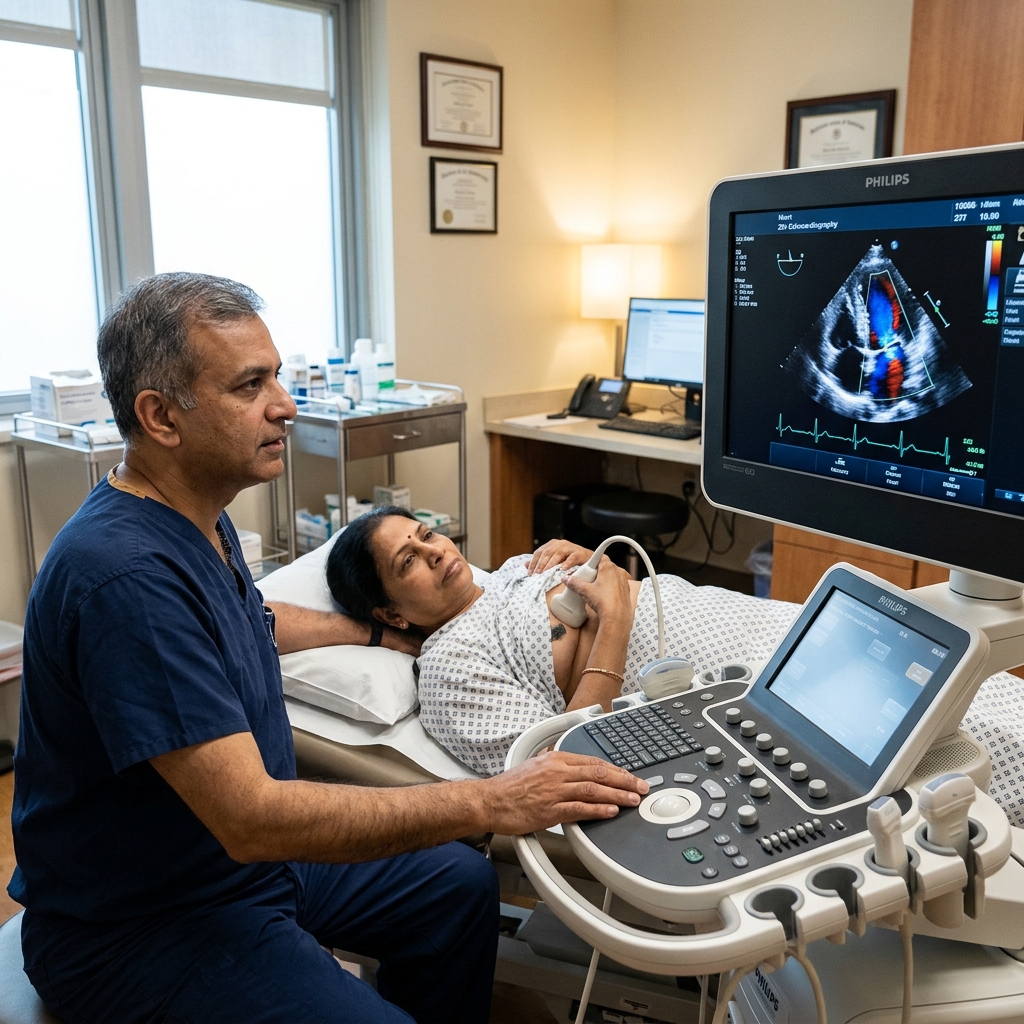
2D Echocardiography
Detailed Doppler assessment of AVA, mean gradient, and LV function.
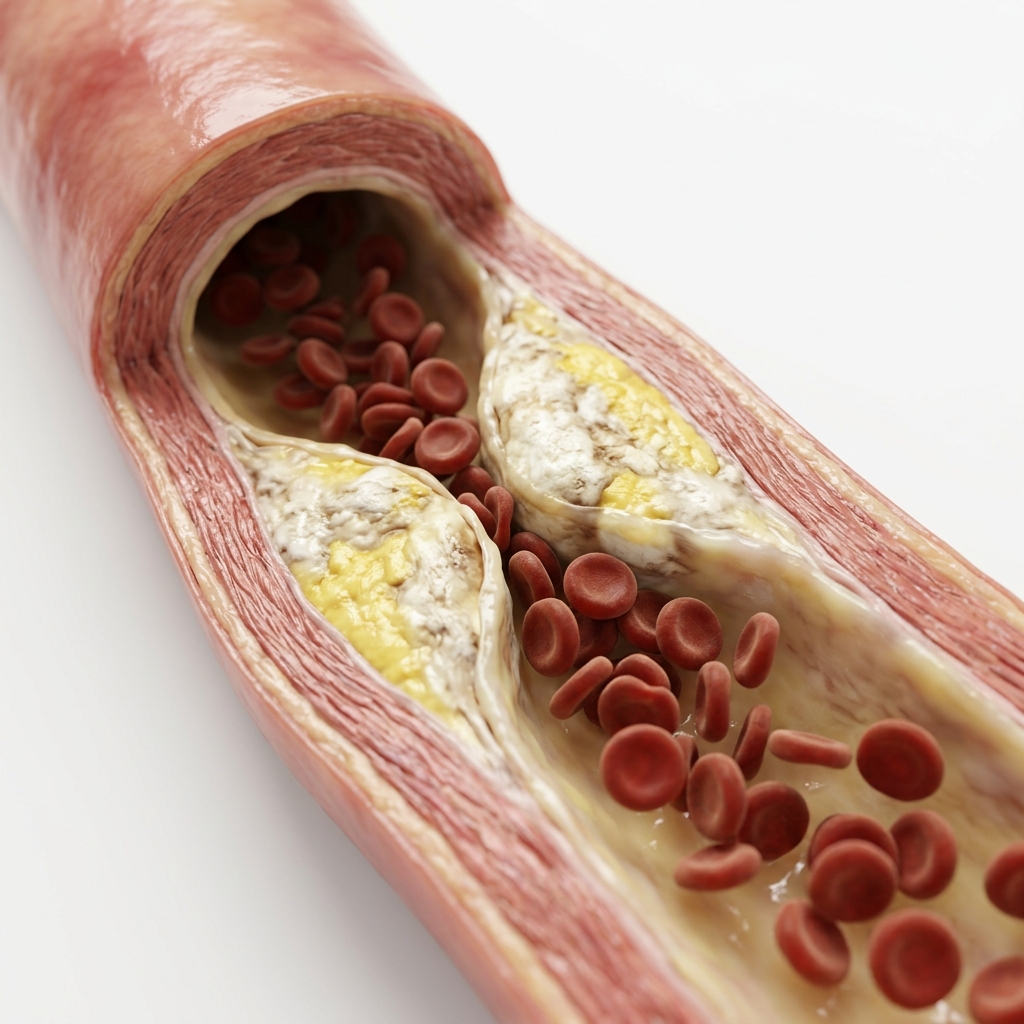
Coronary Artery Disease
CAD frequently coexists with AS — pre-TAVR coronary assessment is routine.

Heart Failure
Advanced AS leads to HF; comprehensive post-intervention HF monitoring.
Ready to Consult Dr. Amit Singh?
Schedule a clinical consultation at Heartwise Cardiology Clinic, Sector 17, Vashi or Kokilaben Hospital, Navi Mumbai.
Heartwise in Vashi. Procedures at Kokilaben.
OPD consultations, diagnostics, and patient care at Heartwise Cardiology Clinic, Vashi. Interventional procedures performed at Kokilaben Hospital, Koperkhairne.
Heartwise Clinic — Vashi
Sector 17, Vashi
Comprehensive cardiac OPD, diagnostics and consultations at the Heartwise Cardiology Clinic in Sector 17, Vashi, Navi Mumbai.
Kokilaben Hospital — Koperkhairne
Koperkhairne, Navi Mumbai
Tertiary interventional cardiac procedures — angiography, angioplasty, TAVR, structural interventions and device implantation.
Palava City — Dombivli
Palava, Dombivli
Outreach consultation clinic serving Dombivli, Kalyan and surrounding Palava City catchment.
Deepisha Medical Centre — Ulwe
Ulwe, Navi Mumbai
Cardiac OPD consultation clinic serving Ulwe, Seawoods, Belapur and the Navi Mumbai International Airport catchment.
Serving All Sectors of Navi Mumbai & MMR
Patients routinely visit our Vashi clinic from across Navi Mumbai and the surrounding Mumbai Metropolitan Region.
“Beat Better. Live Wiser.”
Dr. Amit Singh, FACC
Consultant Interventional Cardiologist
Medical Disclaimer: This article has been written and reviewed by Dr. Amit Singh, FACC, for educational purposes only. It does not constitute personalised medical advice and should not be used as a substitute for a consultation with a qualified cardiologist. Individual clinical decisions must be made by a treating physician based on complete medical history and examination. If you are experiencing chest pain, breathlessness, or other cardiac symptoms, seek emergency medical care immediately.