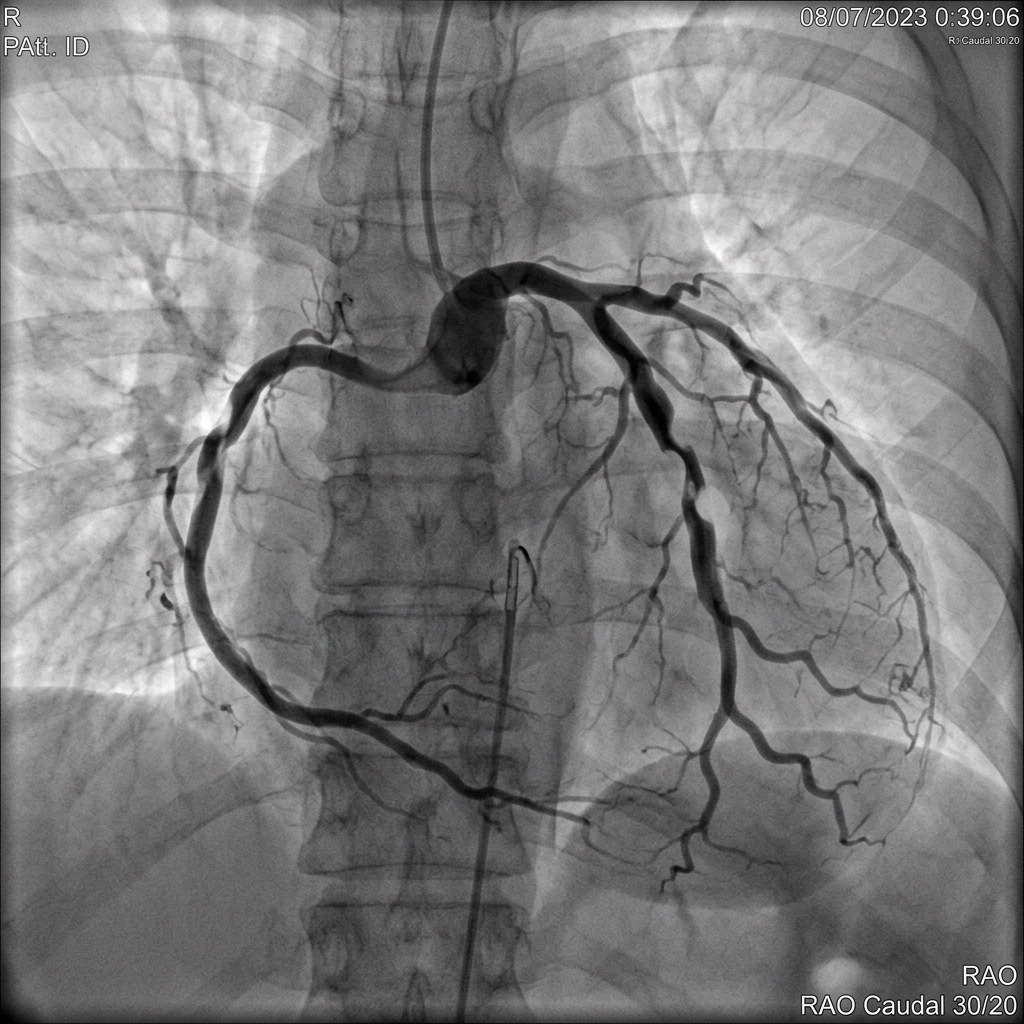
Coronary Angiography in Navi Mumbai
Coronary angiography is an X-ray test that shows whether the arteries supplying your heart are narrowed or blocked. At Heartwise, Dr. Amit Singh performs it through the wrist (radial route) at Kokilaben Dhirubhai Ambani Hospital, Koparkhairane, as a day-care procedure. The angiogram itself usually takes 20–30 minutes under local anaesthesia, and most patients go home the same day. The all-inclusive self-pay package is ₹19,000, and cashless treatment is available with all private health insurers.
What Is Coronary Angiography?
A detailed explanation of the gold-standard diagnostic test for coronary artery disease — how it works, what it shows, and why it is the definitive test for coronary blockages.
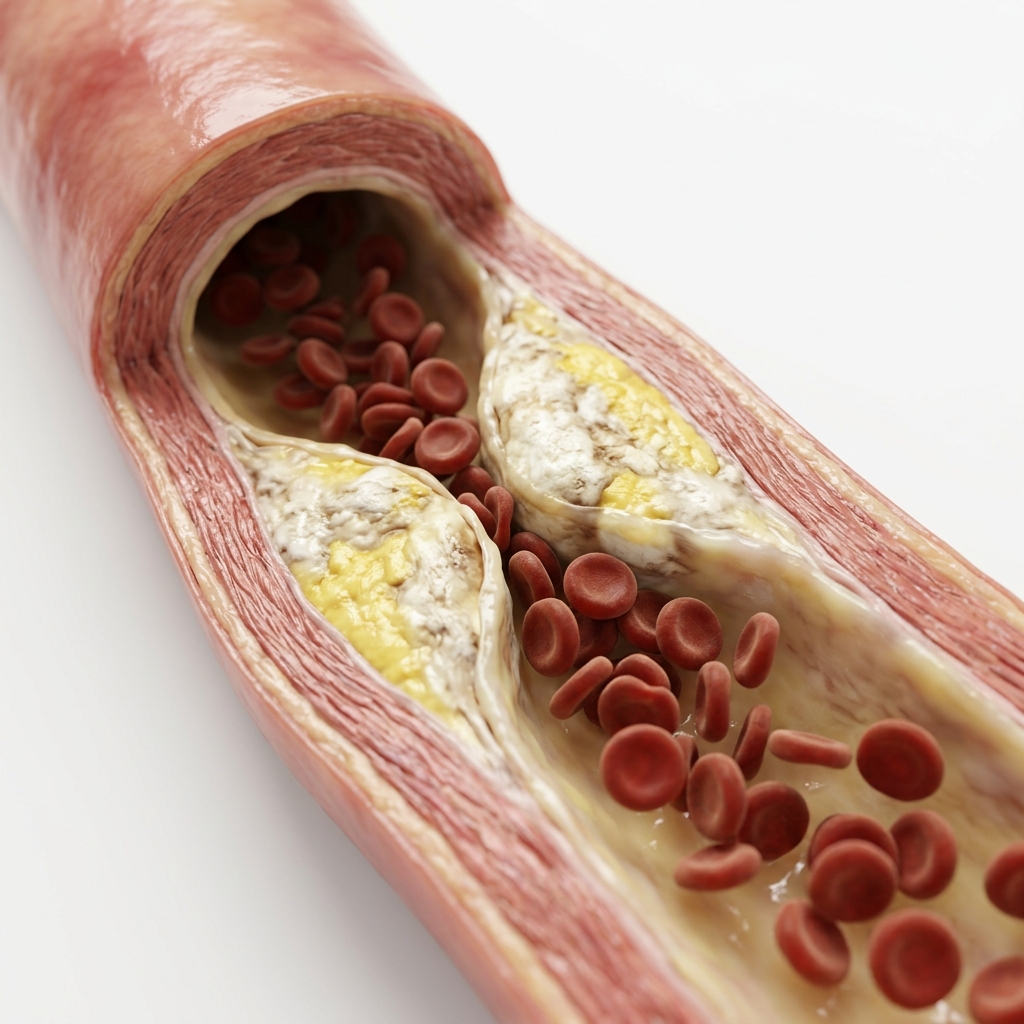
Coronary angiography (also called a coronary angiogram, CAG or cardiac catheterisation) is the reference-standard test for coronary artery disease. A thin, flexible tube (catheter) is passed from an artery in your wrist to the openings of the coronary arteries. A small amount of contrast dye is injected while X-ray images are recorded. The dye outlines the inside of each artery, showing precisely where any narrowing is, how severe it is and how long it extends. No other test gives this level of detail. That is why angiography is the test used to decide whether a blockage needs medicines alone, a stent (angioplasty) or bypass surgery. If a significant blockage is found and you have consented beforehand, it can often be treated in the same sitting.
Diagnostic accuracy of coronary angiography for significant CAD
ACC/AHA GuidelinesTypical procedure duration for diagnostic angiography
Standard clinical practiceMajor complication rate at experienced interventional centres
ESC Guidelines 2023Why Is Coronary Angiography Needed?
The clinical scenarios in which coronary angiography is indicated — from emergencies to elective assessments.
| Clinical Scenario | Reason for Angiography | Urgency Status |
|---|---|---|
| Heart attack (STEMI or NSTEMI) | Identify and treat the blocked artery immediately (primary PCI) | Emergency |
| Unstable angina | Risk-stratify and define coronary anatomy before further deterioration | Urgent (24–72 hr) |
| Stable angina despite medication | Assess severity and decide between continued medical therapy, PCI, or CABG | Elective |
| Positive stress test (TMT/MIBI) | Confirm ischaemia and define its anatomical cause | Elective |
| Pre-operative cardiac assessment | Evaluate coronary status before major non-cardiac surgery | Elective |
| New heart failure with unknown cause | Exclude ischaemic aetiology as the cause of reduced pump function | Elective |
| Valvular heart disease (pre-surgery) | Assess co-existing coronary disease before valve repair or replacement | Elective |
A cardiologist will recommend coronary angiography when there is a high suspicion of significant coronary artery disease, or when non-invasive tests have returned inconclusive or abnormal results. The procedure provides information that cannot be obtained in any other way: the precise anatomy of each coronary artery, the exact location and degree of narrowing, and whether the blockage is amenable to treatment by angioplasty or requires bypass surgery.
The Radial Approach: Why It Matters
Radial (wrist) versus femoral (groin) access — the evidence behind the preference at Heartwise Cardiology. The femoral artery is larger in diameter and was historically the standard access route for coronary angiography, but carries a higher bleeding risk because the puncture site cannot be directly compressed by hand as effectively as the wrist.
| Feature Assessed | Radial (Wrist) Approach | Femoral (Groin) Approach |
|---|---|---|
| Access site | Radial artery at the wrist | Femoral artery in the groin |
| Bleeding risk | 73% lower major bleeding (RIVAL trial) | Higher risk of access-site haematoma |
| Post-procedure mobility | Can sit and walk immediately | Bed rest required for 4–6 hours |
| Same-day discharge | Routinely possible | Less common |
| Patient comfort | Significantly higher | Moderate |
| Radial artery spasm, previous radial procedures, abnormal Allen's test, or need for large-bore access | ||
How to Prepare for Coronary Angiography
Proper preparation is essential for a safe procedure. Follow these steps before your angiography.
What Happens During Coronary Angiography?
Coronary angiography is performed in the Cardiac Catheterisation Laboratory (Cath Lab) at Kokilaben Dhirubhai Ambani Hospital, Koperkhairne. You remain awake throughout. It is performed under local anaesthesia and mild sedation, not general anaesthesia. Correct patient preparation in the hours beforehand ; fasting, medication adjustments, and arriving with a companion is what allows the procedure to proceed safely and on schedule..
Preparation (20–30 min before)
An intravenous (IV) cannula is placed in your arm. You are connected to continuous ECG monitoring and pulse oximetry. Local anaesthetic cream is applied to the wrist. The access site is cleaned and draped in a sterile manner. You may be given a mild sedative through the IV.
Sedation & Local Anaesthesia at the Access Site
Sedation and local anaesthesia are given together at this stage: a local anaesthetic (lignocaine) is injected to numb the wrist, while the mild sedative already running through your IV keeps you calm and comfortable. A small needle punctures the radial artery, through which a thin guidewire and then a plastic sheath (introducer) is placed. Because the sedative needs time to fully wear off before you can be discharged, this step is also what determines how long your post-procedure recovery and observation period will be.
Catheter Advancement to the Heart
The catheter — a thin, flexible tube about the width of a strand of spaghetti (1.5–2 mm diameter) — is gently advanced through the sheath, along the arterial system, and up into the aorta to the heart. There are no pain nerves inside the blood vessels, so you will feel no discomfort during this step.
Contrast Injection and X-ray Imaging
The catheter tip is positioned at the opening of each coronary artery and delivers contrast dye directly into the vessel — this is what makes the artery visible on X-ray. Fluoroscopy — a continuous, real-time X-ray projected onto a monitor in the Cath Lab — lets Dr. Amit Singh watch the catheter move and see the contrast dye fill each coronary artery as it happens. This is why you will be asked to remain still and briefly hold your breath at certain moments — any movement blurs the live image. You may feel a brief warm, flushing sensation when contrast is injected; this is normal and passes within seconds.
Left Ventriculogram (If Required)
In some cases, a larger volume of contrast dye is also injected directly into the left ventricle — the heart's main pumping chamber — using the same catheter and fluoroscopy system already in use. This measures how effectively your heart muscle is contracting, a value known as the ejection fraction. This produces a more pronounced warm sensation. Not all patients require this step.
Sheath Removal and Haemostasis
Once the imaging is complete, the catheter and sheath are removed. For radial access, a small patent haemostasis device (wristband) is applied to compress the puncture site. You will wear this for 2–3 hours. There are no stitches required.
Recovery and Results Discussion
After a 2–4 hour observation period in the recovery area, your cardiologist will discuss the angiography findings with you and your family. If significant blockages are found, the treatment plan — medical management, angioplasty, or bypass surgery — will be explained.
Understanding Your Angiography Results
Angiography results interpretation is the process by which Dr. Amit Singh reviews the images, identifies any stenosis, grades its severity, and translates those findings into a specific treatment recommendation for your coronary artery disease — completing the diagnostic journey that began with the procedure itself.
| Stenosis (% Narrowing) | Clinical Significance | Typical Next Step |
|---|---|---|
| 0–30% | Minimal — non-obstructive plaque | Optimise cardiovascular risk factors; lifestyle modification |
| 30–50% | Mild — non-flow-limiting | Aggressive medical therapy (statins, aspirin); annual surveillance |
| 50–70% | Intermediate — may or may not cause ischaemia | Functional testing (FFR or iFR) to determine if PCI is needed |
| >70% | Significant — haemodynamically important | Coronary angioplasty (PCI) with drug-eluting stent in most cases |
| >90% or total occlusion | Critical — high-risk for heart attack | Urgent PCI; CABG if multi-vessel disease or left main involvement |
FFR (Fractional Flow Reserve) is a wire-based test performed during angiography to measure the functional significance of an intermediate stenosis (50–70%). A stenosis that looks only moderate on the images can still be functionally significant, and FFR is what settles that question rather than visual appearance alone. A pressure-sensing wire is passed through the catheter, and a drug (adenosine) is given to temporarily maximise blood flow through the artery; the pressure difference measured across the narrowing then determines the FFR value. A value of ≤0.80 confirms the lesion is flow-limiting and warrants treatment. The FAME trial demonstrated that FFR-guided PCI reduces major adverse cardiac events by 28% compared to angiography-guided PCI alone.
Benefits and Risks of Coronary Angiography
A balanced, evidence-based view of the procedure's safety and effectiveness.
Core Clinical Benefits
- Definitive diagnosis — eliminates uncertainty from non-invasive tests
- Maps the exact anatomy of every coronary artery
- Enables immediate treatment (ad-hoc PCI) if indicated
- Essential for surgical planning (CABG decisions)
- Assesses left ventricular function
- Short procedure, local anaesthesia, same-day discharge possible
Potential Risks & Incidence
- Bruising/haematoma at wrist: <2% with radial access
- Contrast allergy: 0.1–0.5% (pre-medicated if at risk)
- Contrast nephropathy: <1% in normal kidney function — the dye can temporarily reduce blood flow to the kidneys, causing a measurable rise in creatinine within 48–72 hours. Risk is higher in patients with diabetes, chronic kidney disease, or a pre-existing reduced eGFR; kidney function is checked beforehand and extra hydration is advised for at-risk patients.
- Stroke or MI: <0.05% at experienced centres
- Coronary artery dissection: extremely rare (<0.01%)
- Death: <0.05% (lower than risk of untreated CAD)
Recovery: What to Expect After
Patient preparation, the procedure itself, and post-procedure recovery each place different demands on you. This section explains what happens after your angiography — from the recovery bay to the first 48 hours at home.
In the Hospital (First 4–6 Hours)
- You will rest in a monitored recovery bay for 2–4 hours.
- A haemostasis band is worn on the wrist for 2–3 hours after radial access; a trained nurse will gradually deflate and remove it.
- Sedation must fully wear off before discharge — you will be monitored in the recovery area until then.
- Femoral access patients have a different recovery timeline: lie flat with the leg straight for 4–6 hours; see the Radial Approach comparison above.
- You can sit up, eat, and drink normally within 1–2 hours.
- Your cardiologist will visit to explain the angiography findings and discuss the treatment plan.
- Most patients undergoing elective diagnostic-only angiography are discharged on the same day.
At Home (First 24–48 Hours)
- Avoid driving for 24 hours after the procedure because you cannot drive yourself after sedation.
- Keep the wrist dry for 24 hours. Avoid heavy lifting with the access arm for 48 hours.
- Watch for warning signs: increasing wrist pain, swelling above or below the bandage, bleeding, chest pain, or breathlessness — call 97695 17636 or visit the emergency department immediately.
- Drink 1.5–2 litres of water over the first 24 hours to help the kidneys flush out contrast dye and reduce contrast nephropathy risk, unless your cardiologist has restricted your fluid intake.
- Resume normal activities and medications as directed by your cardiologist.
| Stage | Expectations |
|---|
Landmark Clinical Evidence
Key trials and meta-analyses supporting radial access coronary angiography.
Radial access reduces major bleeding complications by 73% compared to femoral access
n = 7,021 patients. N Engl J Med 2011;365:774–784The landmark RIVAL trial (2011, New England Journal of Medicine, n = 7,021 patients) established that radial access angiography reduces major bleeding complications at the access site by 73% compared to femoral access. Subsequent meta-analyses involving over 24,000 patients have consistently confirmed this advantage, particularly in patients receiving anticoagulant and antiplatelet therapy.
Frequently Asked Questions
The most common concerns raised by patients before coronary angiography — each answer is self-contained and evidence-based.
01Is coronary angiography painful?
Coronary angiography is performed under local anaesthesia at the wrist with mild intravenous sedation. Most patients experience only mild pressure at the catheter insertion site and no pain during the procedure. There are no pain-sensing nerves inside blood vessels or the coronary arteries, so the passage of the catheter is painless. When contrast dye is injected, a brief warm, flushing sensation is common — this is temporary, lasting only a few seconds, and is harmless.
02How long does coronary angiography take?
The coronary angiography procedure itself typically takes 30 to 60 minutes. Complex cases or those requiring additional functional testing (FFR, IVUS) may take longer. Including pre-procedure preparation and post-procedure observation, patients should plan for approximately 4 to 6 hours at the hospital. In most cases of elective diagnostic angiography performed via the radial approach, same-day discharge is routine.
03What is the radial approach and why is it preferred?
The radial approach is a technique where the catheter is inserted through the radial artery at the wrist rather than the femoral artery at the groin. The landmark RIVAL trial (NEJM, n = 7,021) established that radial access reduces major bleeding complications by 73% compared to femoral access. Patients can sit up and walk immediately after the procedure, and same-day discharge is routinely possible. Radial access is the preferred approach at Heartwise Cardiology wherever anatomically feasible.
04What if the radial (wrist) approach isn't suitable for me?
If the radial artery is too small, has been used for a previous procedure, or shows spasm, Dr. Amit Singh will use femoral access instead. The femoral artery is larger and was historically the standard access route. Recovery is different from radial access: you will need to lie flat with your leg straight for 4–6 hours afterwards, and you will be monitored until it is safe to sit and walk.
05Is coronary angiography safe? What are the serious risks?
Coronary angiography is a safe, routinely performed procedure with a major complication rate of less than 0.1% in experienced interventional centres (ESC Guidelines 2023). The risk of stroke or heart attack related to the procedure is less than 0.05%. Minor complications — such as bruising at the access site — occur in under 2% of cases with radial access. The procedure is performed in a dedicated Cath Lab with full resuscitation equipment and a trained cardiac team present throughout.
06What do my angiography results mean?
Angiography results are reported as percentage stenosis — the degree of narrowing in each coronary artery. Blockages below 50% are generally non-significant and managed with medications. Stenosis between 50–70% is intermediate and may require additional functional testing (FFR) to decide on treatment. Stenosis above 70% is clinically significant and typically warrants angioplasty with stenting. Total occlusions (100% blockage) are treated urgently. Your cardiologist will explain your specific results in detail after the procedure.
07How do I prepare for coronary angiography?
Fast for 4 to 6 hours before the procedure. Inform your cardiologist of all medications — particularly blood thinners (aspirin, clopidogrel, warfarin) and diabetic medication (metformin should be stopped 24–48 hours prior). Blood tests, an ECG, and kidney function tests (creatinine) will be done beforehand. Arrange a companion who can drive you home, as you will not be permitted to drive for 24 hours. Leave jewellery at home and wear comfortable, loose-fitting clothing.
08What happens if angiography shows blocked arteries?
If the angiography reveals significant coronary artery disease, your interventional cardiologist will discuss three possible treatment paths: optimised medical therapy alone (for mild disease), coronary angioplasty and stenting (PCI — often performed in the same sitting as the angiogram, known as an ad-hoc procedure), or coronary artery bypass surgery (CABG — recommended for complex multi-vessel disease or left main artery involvement). The best option depends on the number, location, and severity of blockages as well as your overall health.
09Is coronary angiography covered by health insurance in India?
Coronary angiography is classified as a listed medical procedure and is covered under most Indian health insurance policies, including CGHS (Central Government Health Scheme), ECHS (Ex-Servicemen Contributory Health Scheme), and Ayushman Bharat Pradhan Mantri Jan Oyoana (PM-JAY). Most private health insurers (Star Health, New India, ICICI Lombard, HDFC Ergo) also cover the procedure. Pre-authorisation from your insurer and an original cardiologist referral letter are typically required. Contact Heartwise Cardiology on 97695 17636 for insurance guidance.
“Precision in structural interventions. Excellence in clinical outcomes.”

Dr. Amit Singh, FACC
Consultant Interventional Cardiologist
Cardiac Services Available at Heartwise
Dr. Amit Singh offers comprehensive cardiac diagnostics and management at Heartwise Cardiology Clinic, Vashi.
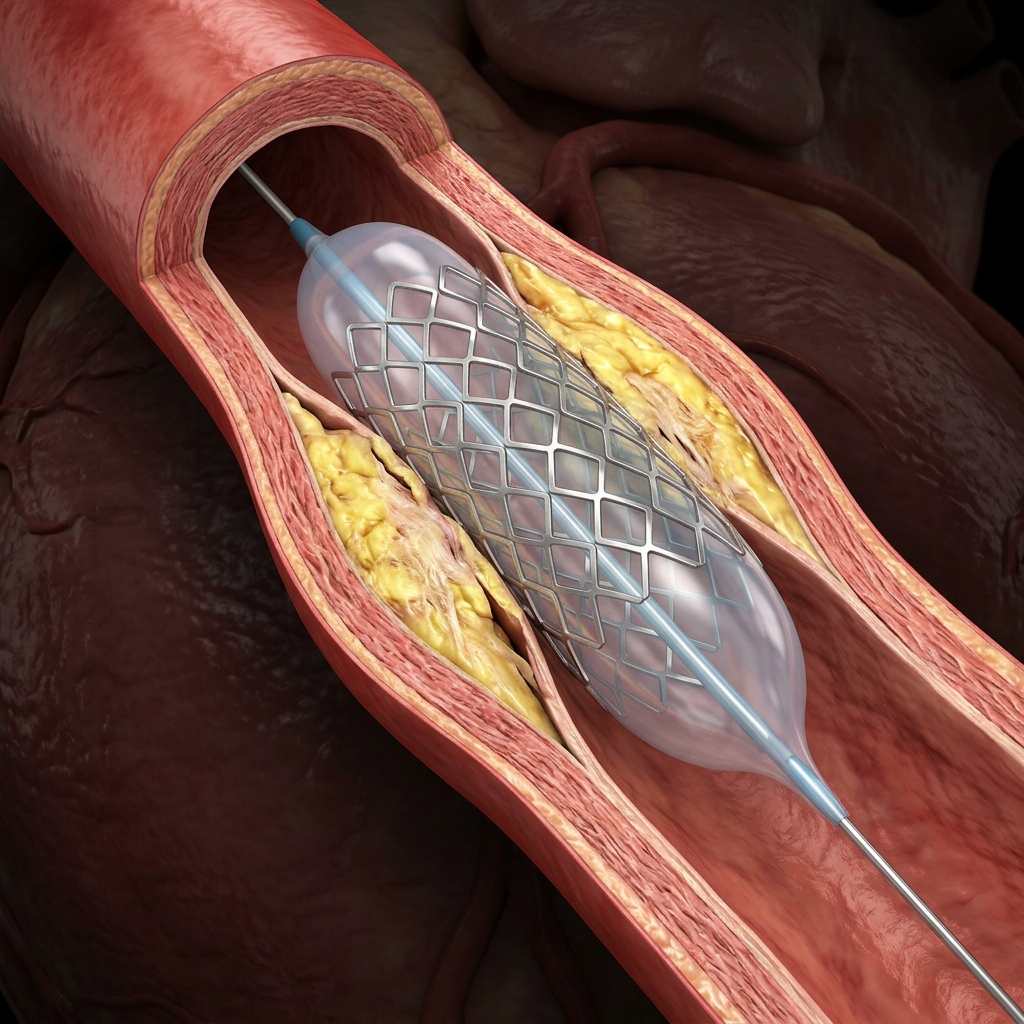
Coronary Angioplasty & Stenting
Balloon angioplasty and drug-eluting stent implantation following angiography.
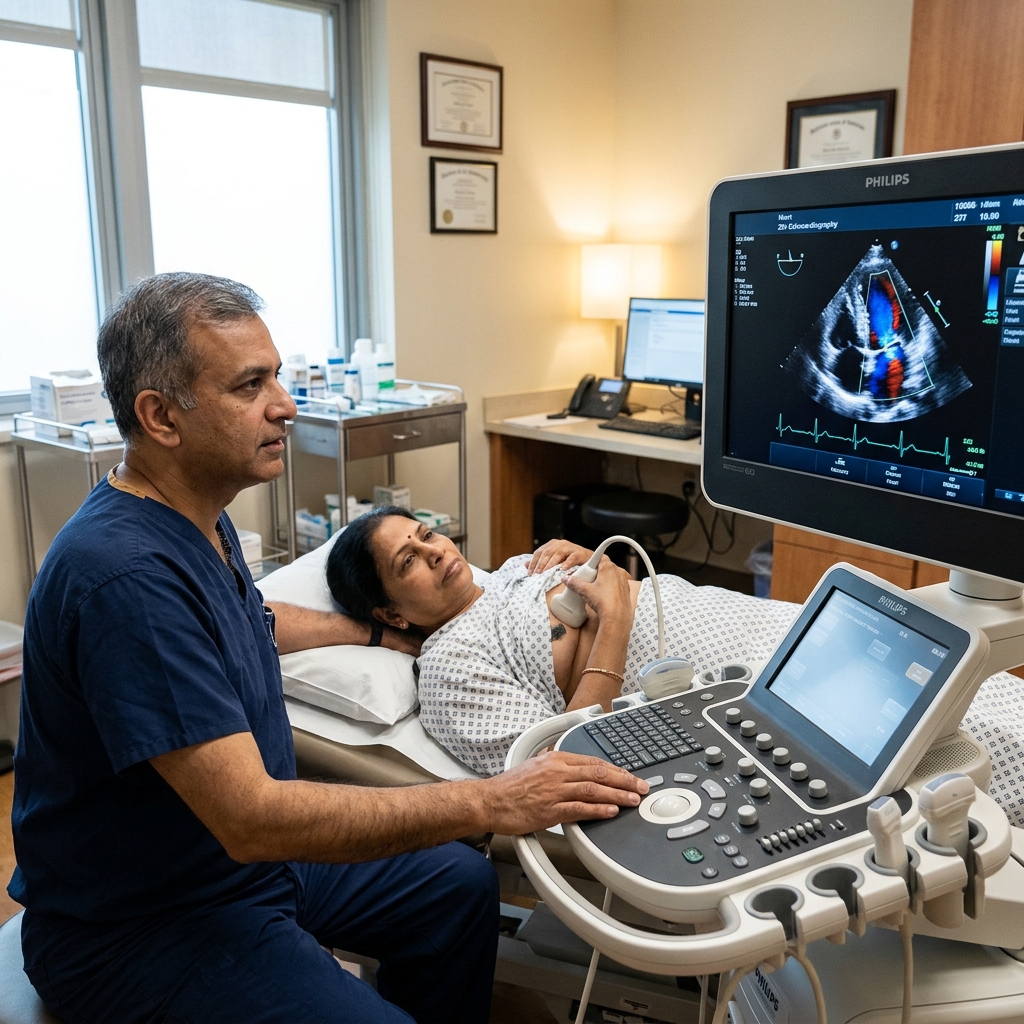
2D Echocardiography
Non-invasive cardiac ultrasound for structural and functional assessment.
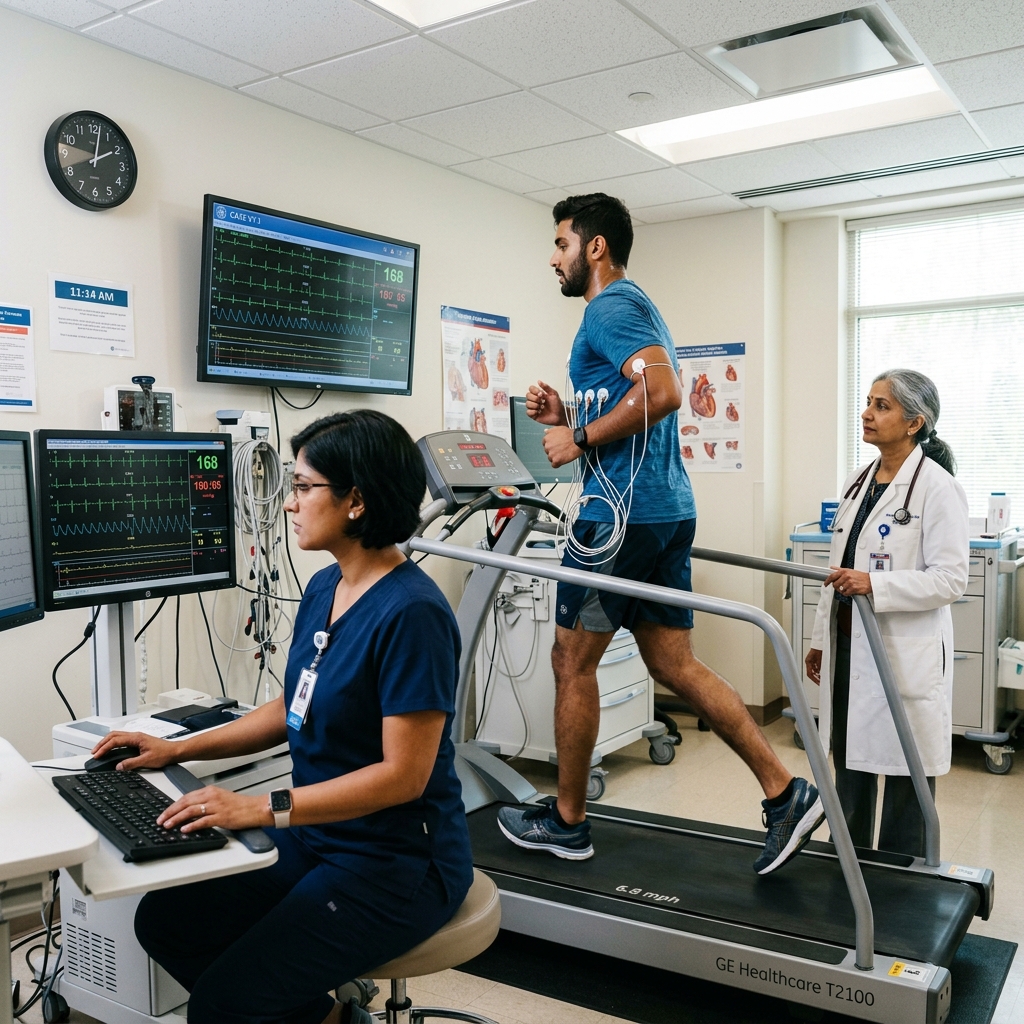
Treadmill Stress Test
Exercise ECG to detect coronary ischaemia before angiography.
Coronary Artery Disease
Comprehensive CAD management including medical therapy and revascularisation.
Ready to Consult Dr. Amit Singh?
Schedule a clinical consultation at Heartwise Cardiology Clinic, Sector 17, Vashi or Kokilaben Hospital, Navi Mumbai.
Heartwise in Vashi. Procedures at Kokilaben.
OPD consultations, diagnostics, and patient care at Heartwise Cardiology Clinic, Vashi. Interventional procedures performed at Kokilaben Hospital, Koperkhairne.
Heartwise Clinic — Vashi
Sector 17, Vashi
Comprehensive cardiac OPD, diagnostics and consultations at the Heartwise Cardiology Clinic in Sector 17, Vashi, Navi Mumbai.
Kokilaben Hospital — Koperkhairne
Koperkhairne, Navi Mumbai
Tertiary interventional cardiac procedures — angiography, angioplasty, TAVR, structural interventions and device implantation.
Palava City — Dombivli
Palava, Dombivli
Outreach consultation clinic serving Dombivli, Kalyan and surrounding Palava City catchment.
Deepisha Medical Centre — Ulwe
Ulwe, Navi Mumbai
Cardiac OPD consultation clinic serving Ulwe, Seawoods, Belapur and the Navi Mumbai International Airport catchment.
Serving All Sectors of Navi Mumbai & MMR
Patients routinely visit our Vashi clinic from across Navi Mumbai and the surrounding Mumbai Metropolitan Region.
“Beat Better. Live Wiser.”
Dr. Amit Singh, FACC
Consultant Interventional Cardiologist
Medical Disclaimer: This article has been written and reviewed by Dr. Amit Singh, FACC, for educational purposes only. It does not constitute personalised medical advice and should not be used as a substitute for a consultation with a qualified cardiologist. Individual clinical decisions must be made by a treating physician based on complete medical history and examination. If you are experiencing chest pain, breathlessness, or other cardiac symptoms, seek emergency medical care immediately.