
Cardiac Risk Assessment
Map your 10-year probability of myocardial infarction or stroke. We use calibrated SCORE2 algorithms to define clear baseline targets for cholesterol, lipids, and lifestyle metrics.
The Cardiovascular Risk Factors
Risk markers are divided into modifiable variables that respond directly to therapy, and non-modifiable genetic variables.
Cardiovascular disease develops 5–10 years earlier in the South Asian population compared to Western demographics. Visualising and quantifying modifiable factors — such as LDL cholesterol, blood pressure, HbA1c levels, and visceral fat — is the initial step to prevention. The SCORE2 algorithm, calibrated for high-risk regions including India, estimates 10-year risk of first cardiovascular event.
Causes & Risk Factors for Heart Disease
Understanding your specific risk factor profile is the foundation of effective cardiovascular prevention.
Dyslipidemia
Elevated LDL cholesterol and triglycerides are primary drivers of atherosclerosis. Each 1 mmol/L reduction in LDL lowers cardiovascular risk by approximately 22%.
Hypertension
Elevated blood pressure damages arterial endothelium and accelerates plaque formation. Each 20 mmHg rise in systolic BP doubles cardiovascular mortality risk.
Diabetes Mellitus
Diabetes confers a 2–4 fold increased risk of cardiovascular disease. HbA1c levels above 7% significantly increase microvascular and macrovascular complications.
Obesity & Metabolic Syndrome
BMI >23 kg/m² in Indian populations significantly increases cardiovascular risk. Central obesity (increased waist circumference) is particularly harmful.
Tobacco Use
Smoking and tobacco chewing are among the most potent modifiable risk factors. Smoking cessation reduces cardiovascular risk by 50% within one year.
Non-Modifiable Factors
South Asian ethnicity, family history of premature CVD, elevated Lipoprotein(a), advancing age, and chronic kidney disease are non-modifiable but quantifiable risk enhancers.
SCORE2: 10-Year Risk Classifications
SCORE2 predictions categorise 10-year fatal and non-fatal cardiovascular event risks into four tiers, setting active therapy pathways.
| Risk Category | 10-Year Risk | LDL Target |
|---|---|---|
| Low Risk | <5% | LDL <3.0 mmol/L (<116 mg/dL) |
| Moderate Risk | 5–10% | LDL <2.6 mmol/L (<100 mg/dL) |
| High Risk | 10–20% | LDL <1.8 mmol/L (<70 mg/dL) |
| Very High Risk | >20% | LDL <1.4 mmol/L (<55 mg/dL) |
The Complete Preventive Consultation Plan
A preventive consultation with Dr. Amit Singh incorporates specific structured deliverables.
10-Year Risk Mapping
Generates your precise, ethnic-calibrated SCORE2 rating, indicating absolute risk percentage for heart attack or stroke.
Advanced Lipid Profiling
Reviews total cholesterol, LDL, HDL, and triglycerides to establish personalised pharmacotherapy targets.
Therapeutic Guidance
Determines if statins, ezetimibe, or other cardiovascular therapeutics are clinically indicated based on risk category.
Vascular Load Tracking
Covers blood pressure logs, matching office readings against continuous tracking if hypertension is suspected.
Lifestyle Prescription
Structured diet adjustments targeting glycemic control, visceral fat reduction, and healthy fat swaps.
Monitoring Timelines
Prescribes follow-up intervals for repeat lipid panels and tracking based on risk category.
Required Blood Tests & Diagnostics
Accurate risk mapping relies on biochemical profiling. Fasting tests should be completed before your consultation.
Fasting Lipid Profile
Measures total cholesterol, LDL, HDL, and triglycerides — the core cardiovascular risk metrics. Fasting for 10–12 hours ensures accurate results.
Fasting Glucose & HbA1c
Measures glycemic status and rules out undiagnosed type 2 diabetes. HbA1c reflects 3-month average blood sugar control.
Kidney Profile (eGFR, Creatinine)
Chronic kidney disease directly amplifies cardiovascular and structural risk. eGFR <60 mL/min/1.73m² increases risk category.
Thyroid Profile (TSH)
Thyroid dysfunction triggers secondary cholesterol spikes. TSH must be evaluated before initiating statin therapy.
hs-CRP & Lipoprotein(a)
Inflammatory and genetic risk markers. Lp(a) is elevated in 20–25% of Indians and is an independent genetic risk factor measured once per lifetime.
Risks of Ignoring Cardiac Risk Factors
Unaddressed cardiovascular risk factors lead to preventable heart attacks, strokes, and premature death.
Premature Heart Attack
South Asians experience heart attacks 5–10 years earlier than other populations. Undiagnosed and untreated risk factors are the primary cause.
Ischaemic Stroke
Hypertension, diabetes, and atrial fibrillation — all detectable through risk assessment — are leading causes of stroke. Most strokes are preventable with risk factor control.
Progressive Atherosclerosis
Elevated LDL and hypertension silently accelerate plaque buildup in arteries. Once established, atherosclerosis is harder to reverse than prevent.
Sudden Cardiac Death
Untreated risk factors can lead to sudden cardiac death as the first manifestation of heart disease. Prevention is far more effective than treating established disease.
Treatment Based on Risk Category
SCORE2 risk stratification determines the intensity of preventive therapy.
Statin Therapy
Moderate-to-high intensity statins are recommended based on risk category. Atorvastatin 20–80 mg or Rosuvastatin 10–40 mg are the primary agents.
Blood Pressure Control
Target BP <140/90 mmHg for most patients, and <130/80 mmHg for high-risk patients. Combination therapy is often needed.
Lifestyle Modification
Dietary changes, exercise prescription, and weight management form the foundation of preventive therapy, reducing risk by 30–50% when consistently followed.
Diabetes Management
Glycemic control with HbA1c target <7% reduces microvascular and macrovascular complications. SGLT2 inhibitors and GLP-1 agonists offer cardiovascular benefit.
Preventive Cardiovascular Medications
Medication selection is guided by risk category, lipid profile, and individual patient factors.
| Risk Category | Recommended Therapy | LDL Target |
|---|---|---|
| Low Risk (<5%) | Lifestyle modification. Statin not routinely indicated. | LDL <3.0 mmol/L |
| Moderate Risk (5–10%) | Lifestyle intensification. Consider statin if LDL >3.0 mmol/L or risk enhancers present. | LDL <2.6 mmol/L |
| High Risk (10–20%) | Moderate-intensity statin (Atorvastatin 20–40 mg). Add ezetimibe if LDL not at target. | LDL <1.8 mmol/L |
| Very High Risk (>20%) | High-intensity statin (Atorvastatin 80 mg). Ezetimibe added routinely. Consider PCSK9i if not at target. | LDL <1.4 mmol/L |
| Lp(a) Elevated | Statin + optimise all other risk factors. PCSK9i may reduce Lp(a) modestly. | Lp(a) target <50 mg/dL |
Lifestyle Changes for Prevention
Lifestyle modification is the cornerstone of cardiovascular prevention at every risk level.
Dietary Pattern
Adopt a Mediterranean or DASH-style diet rich in fruits, vegetables, whole grains, legumes, nuts, and olive oil. Limit saturated fat, processed foods, and added sugars.
Physical Activity
At least 150 minutes per week of moderate-intensity aerobic exercise (brisk walking, cycling, swimming). Resistance training twice weekly adds additional benefit.
Weight Optimisation
Target BMI <23 kg/m² for Indian populations. Waist circumference <90 cm for men and <80 cm for women. Each 5% weight loss improves multiple risk factors.
Tobacco Cessation
Complete tobacco cessation — including smoking and smokeless tobacco. Nicotine replacement therapy, counseling, and pharmacotherapy improve quit rates.
Prevention Guideline Standards
Cardiovascular prevention guidelines provide evidence-based frameworks for risk assessment and management.
| Guideline | Recommendation | Clinical Impact |
|---|---|---|
| ESC 2021 Prevention | SCORE2 risk estimation for all adults ≥40 years without established CVD. Risk category determines LDL targets and treatment intensity. | Standardises prevention across Europe and high-risk regions including India |
| ACC/AHA 2019 Primary Prevention | Pooled Cohort Equations for 10-year risk. Statin indicated if risk ≥7.5% and LDL >1.8 mmol/L. | US-based risk algorithm with different thresholds but similar treatment principles |
| Lipid Association of India 2020 | Aggressive LDL targets tailored for Indian populations. Very high risk LDL target <50 mg/dL. | Recognises higher baseline risk in Indians and recommends more intensive therapy |
| ESC 2023 Focused Update | Non-fasting lipid profile acceptable for initial screening. Lp(a) measurement recommended once in adults. | Simplifies testing requirements and identifies genetic risk independently of LDL |
When to Schedule a Risk Assessment
Certain milestones and changes in health status warrant a formal cardiovascular risk evaluation.
Age 40 and Above
All adults aged 40 and above should have a baseline cardiac risk assessment, even without symptoms. This establishes your starting point for preventive care.
New Diagnosis of Hypertension or Diabetes
A newly diagnosed condition automatically increases cardiovascular risk. A formal risk assessment quantifies the combined risk and guides treatment intensity.
Family History of Heart Disease
If a first-degree relative (parent, sibling) had a heart attack or stroke before age 55 (male) or 65 (female), early and more frequent risk assessment is recommended.
Symptoms Despite Normal Screening
Chest pain, unusual breathlessness, palpitations, or reduced exercise tolerance warrant further evaluation regardless of calculated risk score.
Frequently Asked Questions
Detailed, peer-reviewed answers to the most common patient concerns regarding preventive cardiology.
01What is a cardiac risk assessment?
A cardiac risk assessment is a structured 30–45 minute consultation that calculates your 10-year probability of heart attack or stroke using the SCORE2 algorithm (recommended in the 2021 ESC Cardiovascular Prevention Guidelines). It reviews your blood pressure, cholesterol, blood sugar, smoking status, family history, and lifestyle — identifies which risk factors are elevated — and produces a personalised prevention plan including diet changes, exercise prescription, and specific medication recommendations if indicated. Prevention is always more effective than treatment after the event.
02Who should have a cardiac risk assessment?
A cardiac risk assessment is recommended for: all adults aged 40 and above as a routine preventive check; adults aged 30–39 with diabetes, hypertension, or a family history of premature heart disease; anyone with two or more cardiovascular risk factors (high cholesterol, hypertension, smoking, diabetes, obesity); people with a first-degree relative who had a heart attack or stroke before age 55 (male) or 65 (female); patients newly diagnosed with hypertension or type 2 diabetes; and anyone wanting a comprehensive understanding of their cardiac risk profile.
03What is the SCORE2 risk calculator?
SCORE2 (Systematic Coronary Risk Estimation 2) is the validated risk calculator recommended in the 2021 ESC Guidelines on Cardiovascular Disease Prevention. It estimates the 10-year risk of a first heart attack or stroke in adults without pre-existing cardiovascular disease, using age, sex, smoking status, systolic blood pressure, and cholesterol-to-HDL ratio. India is classified in the 'high cardiovascular risk region.' SCORE2 categories: Low (<5%), Moderate (5–10%), High (10–20%), Very High (>20%). Each category has specific LDL targets and treatment intensity guidelines.
04What blood tests are needed for a cardiac risk assessment?
The essential blood tests are: fasting lipid profile (total cholesterol, LDL, HDL, triglycerides), fasting blood glucose, HbA1c (3-month average blood sugar), kidney function (creatinine, eGFR), and thyroid function (TSH — hypothyroidism causes secondary high cholesterol). Additional recommended tests include high-sensitivity CRP (hs-CRP) and lipoprotein(a) — Lp(a) — which is elevated in approximately 20–25% of Indians and is an independent genetic cardiovascular risk factor not detected by standard cholesterol tests. Blood tests should ideally be done fasting for the most accurate lipid and glucose measurements.
05How often should I have a cardiac risk assessment?
For low-risk individuals (<5% SCORE2), reassessment every 5 years is appropriate. For moderate risk (5–10%), reassess every 1–3 years depending on the number of risk factors. For high or very high risk individuals, annual review is recommended to monitor response to therapy and adjust treatment targets. If you start a new medication or experience a change in health status (new diagnosis of diabetes or hypertension), earlier reassessment is warranted. Your cardiologist will advise an individualised follow-up schedule.
06Can cardiac risk be reversed with lifestyle changes?
Yes, significantly. Lifestyle modification can reduce cardiovascular risk by 30–50% when consistently applied. The INTERHEART study showed that nine modifiable risk factors account for over 90% of the population-attributable risk of myocardial infarction worldwide. Adopting a heart-healthy diet, achieving regular physical activity, maintaining healthy weight, and avoiding tobacco can substantially lower your SCORE2 risk category. For example, quitting smoking alone reduces cardiovascular risk by 50% within one year, and 10 kg weight loss can reduce systolic BP by 5–10 mmHg.
07What is lipoprotein(a) and why is it important for Indians?
Lipoprotein(a) — Lp(a) — is a genetically determined lipoprotein similar to LDL but with an additional protein (apolipoprotein(a)) attached. High Lp(a) levels (>50 mg/dL or >125 nmol/L) are an independent risk factor for cardiovascular disease and aortic stenosis. Importantly, Lp(a) is largely determined by genetics and is not significantly altered by diet, exercise, or statins. Approximately 20–25% of Indians have elevated Lp(a), making it a particularly relevant risk factor in our population. Lp(a) is measured once per lifetime, and elevated levels may warrant more aggressive LDL lowering and risk factor control.
08What is heart age and how is it calculated?
Heart age is a risk communication tool that translates your cardiovascular risk profile into an equivalent age. For example, a 45-year-old smoker with hypertension and elevated cholesterol may have a heart age of 60 — meaning their risk of heart attack or stroke equals that of a healthy 60-year-old. The concept makes risk more tangible and motivates lifestyle change. Heart age is calculated from the same risk factors used in SCORE2: age, sex, blood pressure, cholesterol, smoking status, and diabetes. Reducing your heart age through risk factor modification is a powerful prevention goal.
“Advanced cardiovascular care. Restoring life, rhythm, and vitality.”

Dr. Amit Singh, FACC
Consultant Interventional Cardiologist
Related Tests & Conditions
Cardiac risk assessment is the starting point for a comprehensive cardiovascular evaluation.
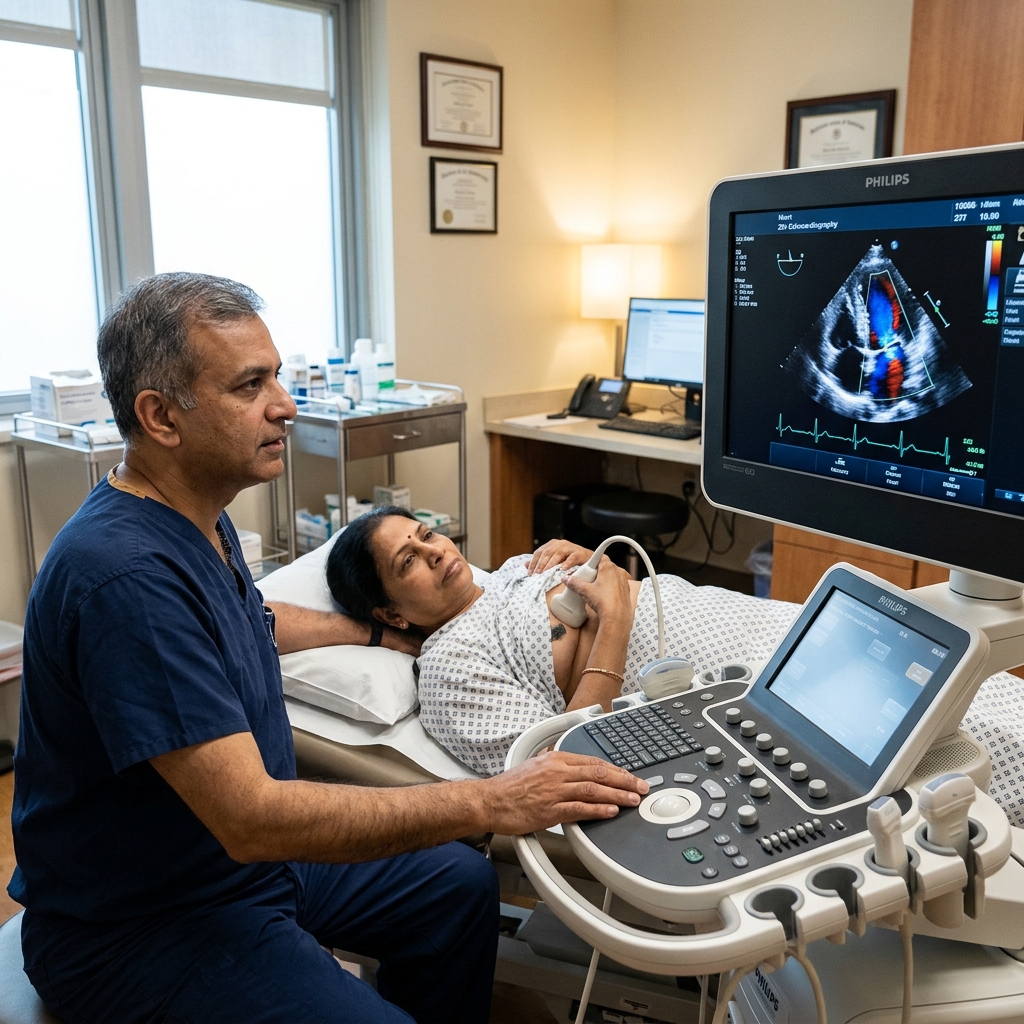
2D Echocardiography
Ultrasound imaging of heart structure and function. Assesses for silent target organ damage from risk factors.
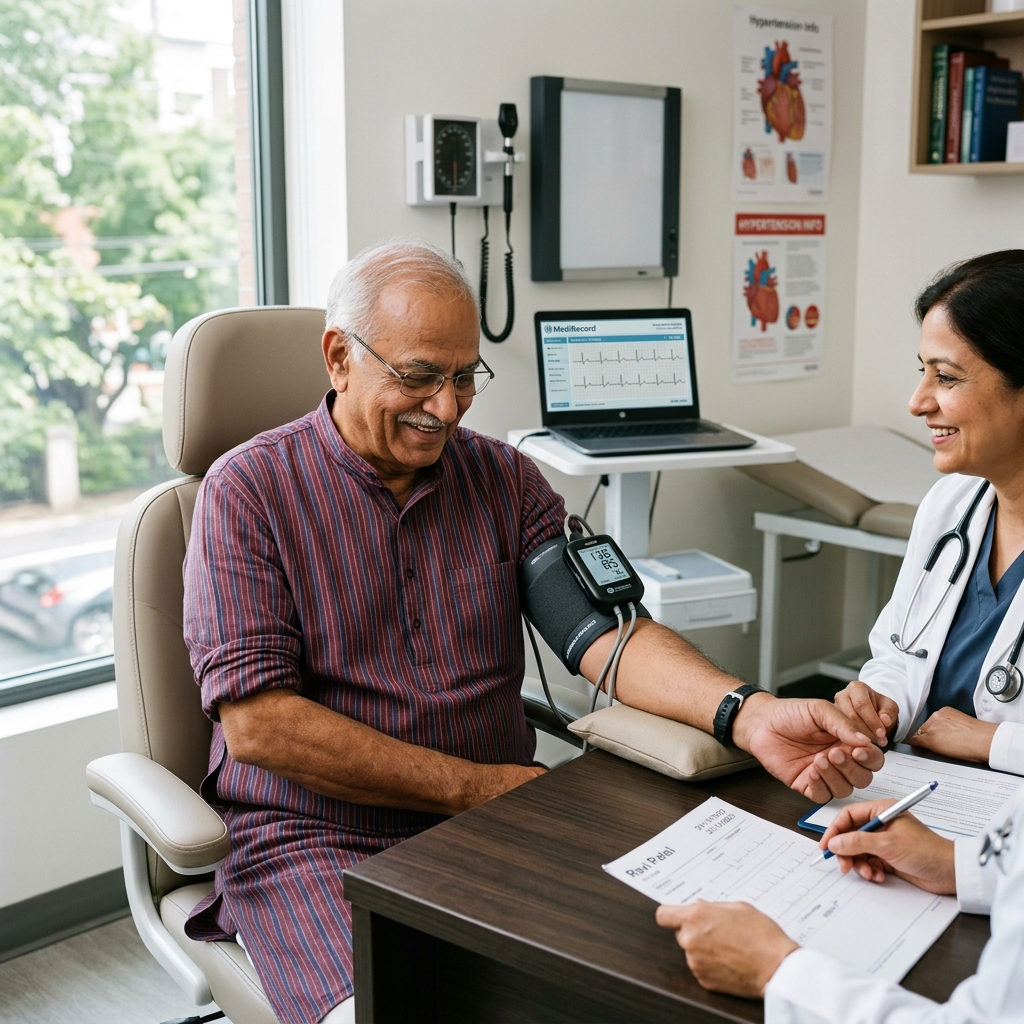
Ambulatory BP (ABPM)
24-hour blood pressure monitoring to confirm hypertension and assess circadian BP patterns.

Treadmill Stress Test (TMT)
Exercise ECG to detect silent coronary artery disease in intermediate-to-high risk individuals.
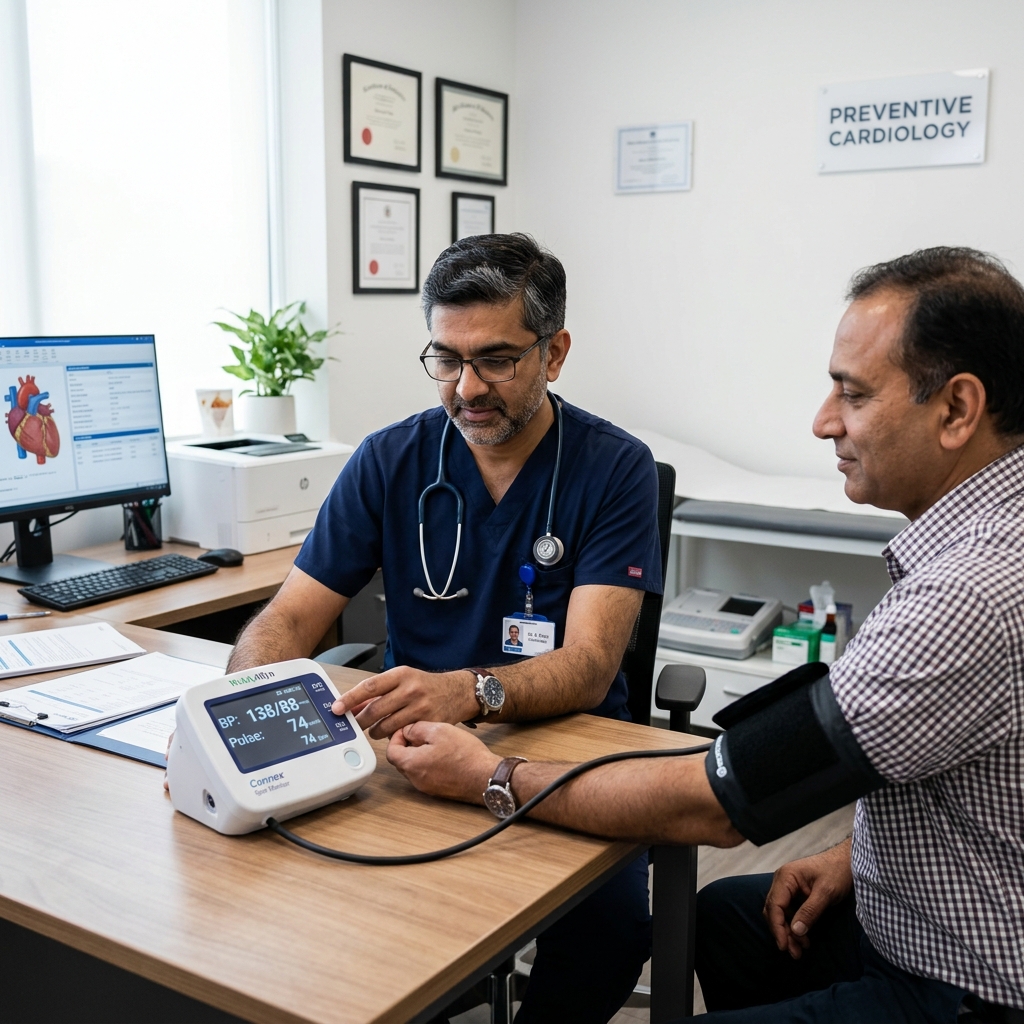
Hypertension
High blood pressure is the single most important preventable risk factor for cardiovascular disease.
Ready to Consult Dr. Amit Singh?
Schedule a clinical consultation at Heartwise Cardiology Clinic, Sector 17, Vashi or Kokilaben Hospital, Navi Mumbai.
Heartwise in Vashi. Procedures at Kokilaben.
OPD consultations, diagnostics, and patient care at Heartwise Cardiology Clinic, Vashi. Interventional procedures performed at Kokilaben Hospital, Koperkhairne.
Heartwise Clinic — Vashi
Sector 17, Vashi
Comprehensive cardiac OPD, diagnostics and consultations at the Heartwise Cardiology Clinic in Sector 17, Vashi, Navi Mumbai.
Kokilaben Hospital — Koperkhairne
Koperkhairne, Navi Mumbai
Tertiary interventional cardiac procedures — angiography, angioplasty, TAVR, structural interventions and device implantation.
Palava City — Dombivli
Palava, Dombivli
Outreach consultation clinic serving Dombivli, Kalyan and surrounding Palava City catchment.
Deepisha Medical Centre — Ulwe
Ulwe, Navi Mumbai
Cardiac OPD consultation clinic serving Ulwe, Seawoods, Belapur and the Navi Mumbai International Airport catchment.
Serving All Sectors of Navi Mumbai & MMR
Patients routinely visit our Vashi clinic from across Navi Mumbai and the surrounding Mumbai Metropolitan Region.
“Beat Better. Live Wiser.”
Dr. Amit Singh, FACC
Consultant Interventional Cardiologist
Medical Disclaimer: This article has been written and reviewed by Dr. Amit Singh, FACC, for educational purposes only. It does not constitute personalised medical advice and should not be used as a substitute for a consultation with a qualified cardiologist. Individual clinical decisions must be made by a treating physician based on complete medical history and examination. If you are experiencing chest pain, breathlessness, or other cardiac symptoms, seek emergency medical care immediately.