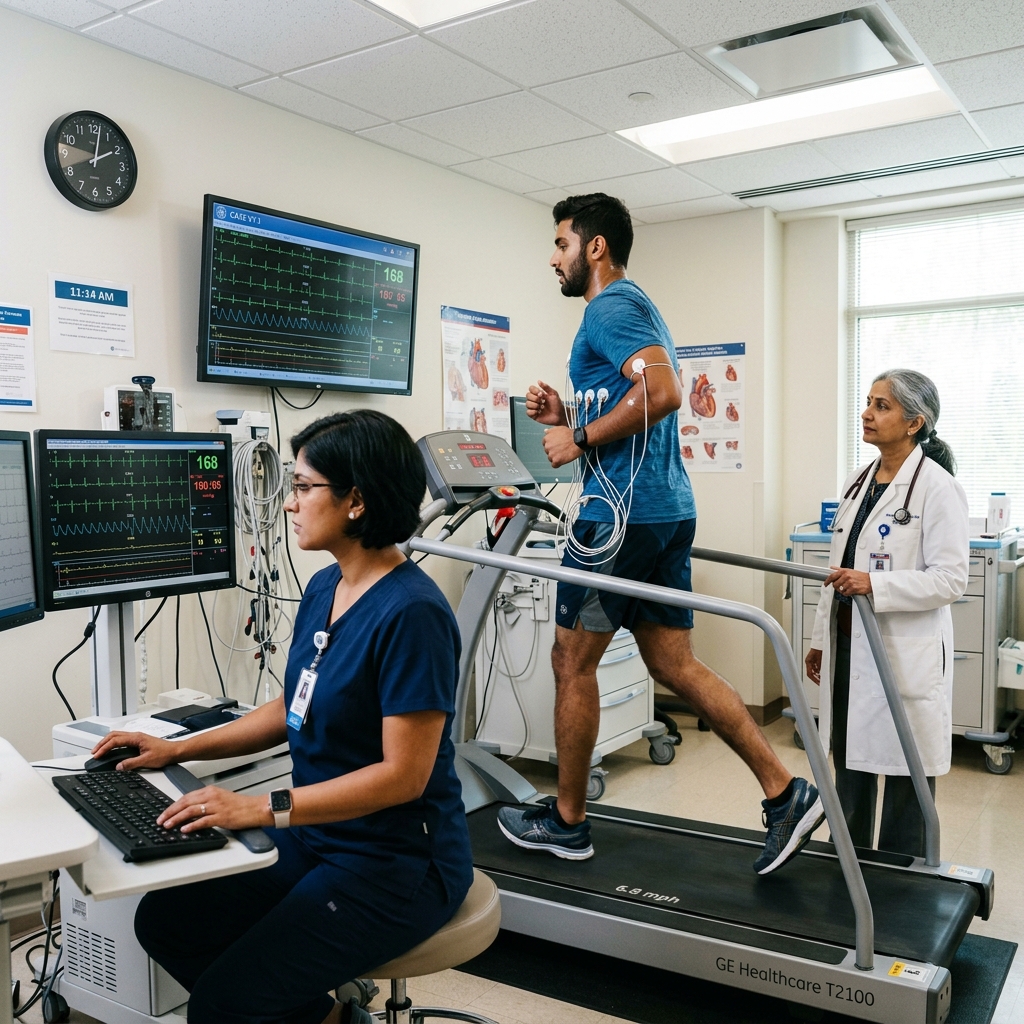
Treadmill Stress Test (TMT)
A Treadmill Stress Test (TMT) records a continuous 12-lead ECG while walking under a graded protocol. The purpose is to detect myocardial ischaemia — reduced blood flow to the heart muscle caused by obstructive coronary artery disease — that is not visible on a resting ECG but becomes apparent when the heart is stressed by exercise.
The Science of Cardiac Stress Testing
When at rest, narrowing of the coronary arteries may produce no symptoms and a normal ECG. Graded exercise reveals latent arterial blockages.
By progressively increasing speed and treadmill grade, the test drives up cardiac work, forcing the heart to draw more blood. A significant blockage (>70%) restricts the flow of oxygenated blood. The purpose is to detect myocardial ischaemia — reduced blood flow to the heart muscle caused by obstructive coronary artery disease — that is not visible on a resting ECG but becomes apparent when the heart is stressed by exercise. This produces distinct deviations in the ECG waveforms — most commonly a depression of the ST segment. The test also measures exercise capacity (METs), heart rate response, blood pressure response, and any symptoms during exertion.
Causes of Positive TMT Findings
A positive TMT indicates myocardial ischaemia, which has several underlying causes.
Coronary Artery Disease
Atherosclerotic narrowing of coronary arteries is the most common cause. Plaque buildup reduces the lumen diameter, limiting oxygen delivery during increased demand.
Coronary Vasospasm
Variant (Prinzmetal) angina causes transient coronary artery spasm, producing ST elevation on TMT. This occurs typically at rest or during specific triggers like cold or stress.
Left Ventricular Hypertrophy
Increased myocardial mass from hypertension or aortic stenosis elevates oxygen demand. Supply-demand mismatch can produce ST depression without coronary blockages.
Microvascular Disease
Small coronary vessel dysfunction — common in diabetes and women — causes ischaemia symptoms with normal epicardial arteries. TMT may show ST changes.
Anaemia & High-Output States
Reduced oxygen-carrying capacity from anaemia or increased demand from hyperthyroidism can produce ischaemic changes on TMT without coronary blockages.
Drug Effects & Electrolytes
Digoxin, antiarrhythmics, and electrolyte imbalances (hypokalaemia) can cause false-positive ST changes on TMT, requiring careful clinical correlation.
The Modified Bruce Protocol
A clinical standard that ramps speed and elevation every three minutes to systematically scale the oxygen demands of the heart.
| Stage | Speed (km/h) | Grade (%) | METs | Duration |
|---|---|---|---|---|
| Stage 0 (Warm-up) | 2.7 | 0% | 1.7 | 3 min |
| Stage ½ (Warm-up) | 2.7 | 5% | 2.9 | 3 min |
| Stage 1 | 2.7 | 10% | 4.6 | 3 min |
| Stage 2 | 4.0 | 12% | 7.0 | 3 min |
| Stage 3 | 5.5 | 14% | 10.1 | 3 min |
| Stage 4 | 6.8 | 16% | 12.9 | 3 min |
| Stage 5 | 8.0 | 18% | 15.0 | 3 min |
What Does Your TMT Result Mean?
The TMT result is not simply "pass or fail" — it is a probability assessment of underlying myocardial ischaemia and coronary artery disease, supported by the Duke Treadmill Score, which quantifies risk and maps each risk tier to a specific management pathway.
Exercise Capacity (METs)
Measures functional threshold in Metabolic Equivalents. Low capacity (<5 METs) is an independent predictor of increased cardiovascular risk.
Target Heart Rate and Chronotropic Response
The target heart rate is 85% of the age-predicted maximum heart rate, calculated as 85% × (220 − patient's age). Reaching this threshold is the prerequisite for the test to be diagnostically valid and for the Duke Treadmill Score to be interpretable — a test stopped before target heart rate is achieved may produce a false-negative result. Chronotropic incompetence is diagnosed when a patient fails to reach this target heart rate despite maximal effort — it indicates blunted sympathetic cardiovascular response, is an independent marker of significant coronary artery disease and adverse cardiac prognosis, and carries prognostic weight even when the ECG shows no ST segment depression.
Blood Pressure Response
Ensures BP mounts safely under load. A drop or failure to rise indicates high-grade coronary stenoses or left ventricular dysfunction.
Clinical Symptoms
Records physical cues — angina chest tightness, dyspnoea, or dizziness — and maps them to ECG changes in real time.
Risk Tier and Management Pathway
The DTS combines exercise capacity in METs, the magnitude of ST segment depression in millimetres, and an angina index into a validated risk score. A patient who stops early due to fatigue can score poorly even without significant ST changes, because METs achieved carries the greatest weight in the formula.
| Duke Treadmill Score | Risk Tier | Management Pathway |
|---|---|---|
| ≥+5 | Low risk | Annual mortality <1% · Conservative follow-up |
| −10 to +4 | Intermediate risk | Optimise guideline-directed medical therapy |
| ≤−11 | High risk | Coronary angiography; revascularisation if significant disease is confirmed |
A high-risk DTS (≤−11) typically prompts referral for coronary angiography — and when angiography confirms significant obstructive disease, revascularisation (PCI or CABG) may be recommended to restore blood flow and treat myocardial ischaemia. Both revascularisation and guideline-directed medical therapy aim to reduce myocardial ischaemia, but while revascularisation restores blood flow mechanically, guideline-directed medical therapy reduces ischaemic burden by lowering demand and stabilising coronary plaque. An intermediate DTS (−10 to +4) guides initiation or optimisation of guideline-directed medical therapy — antiplatelet agents, high-intensity statins, beta-blockade, and ACE inhibitors — rather than proceeding directly to invasive investigation. A low-risk DTS (≥+5) supports continued conservative management. Not every positive test leads to angiography or a procedure.
How to Prepare for Your TMT
Before any other preparation step, the ordering clinician confirms the absence of contraindications to TMT — since proceeding in their presence transforms a diagnostic test into a patient safety risk. The preparation checklist below applies once safety has been confirmed.
Light Meal & Hydration
Avoid heavy eating 2 hours before the test. Consume a light snack. Stay hydrated but avoid caffeinated beverages for at least 3 hours before.
Wear Appropriate Clothing
Wear loose sports apparel and flat, comfortable walking or running shoes. Bring a change of clothes if you expect to sweat heavily.
Avoid Caffeine & Smoking
Avoid all caffeine (coffee, tea, cola, energy drinks) and smoking for at least 3 hours before the test, as these affect heart rate and BP response.
Medication Management
Bring a full list of your current medications. Your cardiologist will advise if beta-blockers or other rate-limiting drugs need to be temporarily paused.
Skin Preparation
Do not apply body lotions, oils, or talc on your chest area to ensure good electrode adhesion and clean ECG signal.
Safety Screening Before a TMT
Screening for contraindications to TMT is an integral component of TMT test preparation — not a bedside judgment made on the day. The ordering clinician reviews the patient's current clinical status, recent investigations, and medication list before confirming the appointment. Absolute contraindications must be excluded before proceeding, as doing so in their presence carries a risk of life-threatening cardiac events. When contraindications are present, a stress echocardiogram (pharmacological dobutamine or adenosine) or CT coronary angiography is typically used as the alternative, depending on the clinical question.
Absolute Contraindications
These conditions must be excluded before exercise testing.
- Acute MI within the preceding 2 days
- Unstable angina
- Uncontrolled heart failure or pulmonary oedema
- Severe symptomatic aortic stenosis
- Haemodynamically significant arrhythmia
- Active myocarditis or pericarditis
- Resting BP above 200/110 mmHg
Relative Contraindications
These findings require discussion with the cardiologist before proceeding.
- Known left main coronary artery stenosis
- Moderate valvular disease
- Electrolyte abnormalities
- Resting systolic BP 160–200 mmHg
- Tachyarrhythmias or bradyarrhythmias
- Hypertrophic cardiomyopathy
- High-degree atrioventricular block
Risks of Ignoring Positive TMT Findings
A positive TMT indicates significant cardiac risk that requires prompt investigation and management.
Myocardial Infarction
A positive TMT with ST depression indicates significant coronary stenosis. Untreated, these lesions can progress to complete occlusion causing heart attack.
Silent Ischaemia Progression
Asymptomatic ischaemia on TMT carries the same risk as symptomatic ischaemia. Without intervention, silent ischaemia worsens, increasing risk of sudden cardiac events.
Left Ventricular Dysfunction
Chronic ischaemia from untreated coronary disease leads to myocardial stunning and hibernation, progressively reducing EF and leading to heart failure.
Increased Mortality
A Duke Treadmill Score ≤−11 carries a 5-year mortality >5%. Without angiography and revascularisation, these patients face significantly elevated risk.
Treatment Based on TMT Results
TMT results guide the need for further testing, medical therapy, or revascularisation.
Guideline-Directed Medical Therapy
An intermediate DTS (−10 to +4) guides initiation or optimisation of guideline-directed medical therapy — antiplatelet agents, high-intensity statins, beta-blockade, and ACE inhibitors — rather than proceeding directly to invasive investigation.
Further Imaging
An intermediate or high-risk TMT score warrants further testing — CT coronary angiography, a stress echocardiogram (pharmacological or exercise), or nuclear myocardial perfusion imaging to confirm lesion significance.
Coronary Angiography
A high-risk Duke Score (≤−11), strongly positive TMT, or symptoms during low workload typically prompts referral for coronary angiography to assess revascularisation options.
Revascularisation
When angiography confirms significant obstructive disease, revascularisation (PCI or CABG) may be recommended to restore blood flow and treat myocardial ischaemia. Not every positive test leads to angiography or a procedure.
Medications for Coronary Artery Disease
Medical therapy for ischaemic heart disease is guided by TMT findings and angiographic confirmation.
| Drug Class | Examples | Key Considerations |
|---|---|---|
| Antiplatelets | Aspirin, Clopidogrel, Ticagrelor | Aspirin lifelong for all CAD patients. DAPT (aspirin + P2Y12 inhibitor) for 6–12 months post-ACS or PCI. |
| High-Intensity Statins | Atorvastatin 80 mg, Rosuvastatin 40 mg | Target LDL <55 mg/dL for very high-risk patients. Rosuvastatin 40 mg reduces LDL by approximately 55%. |
| Beta-Blockers | Metoprolol, Bisoprolol, Carvedilol | Reduce heart rate and myocardial oxygen demand. Target resting HR 55–65 bpm. First-line for angina. |
| Anti-Anginals | Nitrates, Ranolazine, Ivabradine | Sublingual GTN for acute angina. Ranolazine for chronic angina. Ivabradine if beta-blocker intolerant. |
| ACE Inhibitors / ARBs | Ramipril, Telmisartan, Enalapril | Reduce cardiovascular events in CAD. Ramipril showed 22% relative risk reduction in HOPE trial. |
TMT & CAD Guideline Standards
International guidelines define appropriate use of exercise testing and interpretation of results.
| Guideline | Recommendation | Clinical Impact |
|---|---|---|
| ESC 2019 Chronic Coronary Syndromes | Exercise ECG as initial test for patients with suspected CAD and intermediate pre-test probability. DTS for risk stratification | Avoids unnecessary angiography in low-risk patients. Guides referral for invasive testing in high-risk |
| AHA/ACC 2021 Chest Pain | Exercise ECG recommended for intermediate-risk patients who can exercise with interpretable ECG | Cost-effective initial testing. Duke Treadmill Score stratifies risk and guides management pathway |
| ESC 2020 NSTE-ACS | Exercise testing before discharge in low-risk patients with NSTE-ACS who have been pain-free for 12–24 hours | Pre-discharge stress testing provides prognostic information and guides decisions about invasive angiography |
| ACC/AHA 2002 (updated) | Absolute contraindications: acute MI (2–5 days), unstable angina, uncontrolled HF, severe aortic stenosis, uncontrolled HTN | Safety screening prevents complications. Adherence to contraindications ensures zero mortality from exercise testing |
Lifestyle for Heart Health
Lifestyle changes complement medical therapy and improve exercise capacity and cardiovascular outcomes.
Heart-Healthy Diet
Mediterranean-style diet rich in fruits, vegetables, whole grains, and omega-3 fatty acids. Limit saturated fats, processed foods, and added sugars.
Regular Physical Activity
Daily exercise improves exercise capacity (METs) — a powerful predictor of survival. Target at least 30 minutes of moderate activity on most days.
Weight Management
Maintaining healthy BMI (<23 kg/m² for Indians) reduces cardiac workload and improves exercise tolerance. Weight loss also improves lipid profile and BP.
Smoking Cessation
Smoking cessation is the single most effective lifestyle intervention. Quitting reduces cardiovascular risk by 50% within one year.
When to See a Cardiologist
Certain TMT results or symptoms warrant prompt cardiology evaluation.
Positive TMT at Low Workload
Ischaemic changes occurring at Stage 1 or 2 of the Bruce protocol (early positive) indicate severe coronary disease. Urgent cardiology review and angiography are needed.
Angina During TMT
Chest pain or discomfort during the test that reproduces your symptoms requires cardiology evaluation. This significantly increases the likelihood of significant CAD.
High-Risk Duke Score (≤−11)
A Duke Treadmill Score of −11 or less indicates high risk (5-year mortality >5%). Prompt referral for coronary angiography is recommended.
Exertional Chest Pain
Chest pain, tightness, or breathlessness during physical activity warrants cardiology assessment and exercise testing regardless of age or risk factors.
Frequently Asked Questions
Detailed, clinical responses regarding exercise ECG testing.
01What is a Treadmill Stress Test (TMT)?
A Treadmill Stress Test records a continuous 12-lead ECG while you walk on a treadmill at progressively increasing speed and incline (Modified Bruce Protocol). The purpose is to detect myocardial ischaemia — reduced blood flow to the heart muscle caused by obstructive coronary artery disease — that is not visible on a resting ECG but becomes apparent when the heart is stressed by exercise. It also measures exercise capacity (METs), heart rate response, and blood pressure response. The result includes a Duke Treadmill Score for risk stratification.
02What is a positive TMT result?
A positive TMT shows evidence of cardiac ischaemia (reduced blood flow) during exercise. The main positive finding is ≥1 mm horizontal or downsloping ST depression in two or more leads during exercise. Other positive findings include chest pain during the test, exercise-induced fall in blood pressure, or significant arrhythmia. A positive TMT does not confirm coronary artery disease with certainty — it indicates probability of significant stenosis, typically requiring further evaluation with coronary CT angiography or invasive coronary angiography.
03What is the Duke Treadmill Score?
The Duke Treadmill Score (DTS) is a validated scoring system combining three inputs: exercise capacity in METs (the most heavily weighted component), the magnitude of ST segment depression in millimetres, and an angina index. Formula: DTS = Treadmill time (min) − (5 × ST deviation mm) − (4 × angina index). The score maps to a three-way management fork: a high-risk DTS (≤−11) typically prompts referral for coronary angiography, and when angiography confirms significant obstructive disease, revascularisation (PCI or CABG) may be recommended to treat myocardial ischaemia. An intermediate DTS (−10 to +4) guides initiation or optimisation of guideline-directed medical therapy — antiplatelet agents, high-intensity statins, beta-blockers, and ACE inhibitors. A low-risk DTS (≥+5) supports conservative management. Not every positive test leads to angiography or a procedure.
04How should I prepare for a TMT?
TMT test preparation starts with screening for contraindications: the ordering clinician reviews your current clinical status, recent investigations, and medication list before confirming the appointment. Once safety is confirmed, eat a light meal 2 hours before the test (do not come fasting), wear comfortable walking shoes and loose clothing, continue all medications unless specifically told to stop beta-blockers, avoid caffeine and smoking for 3 hours before, and do not apply body lotion or powder to your chest. Bring previous TMT reports and your medication list.
05Who should NOT have a TMT?
Screening for contraindications to TMT is the first step of TMT test preparation — not a bedside judgment made on the day. Absolute contraindications include: acute MI within the preceding 2 days, unstable angina, uncontrolled heart failure or pulmonary oedema, severe symptomatic aortic stenosis, haemodynamically significant arrhythmia, active myocarditis or pericarditis, and resting BP above 200/110 mmHg. Relative contraindications require discussion with the cardiologist. When contraindications are present, a stress echocardiogram (pharmacological) or CT coronary angiography is typically used as the alternative investigation.
06What happens if I cannot complete the treadmill protocol?
If you are unable to complete the full Bruce protocol due to exhaustion, breathlessness, leg fatigue, or other symptoms, the test is still clinically useful. The key metrics recorded — exercise duration in minutes (or METs achieved), maximum ST deviation, and reason for stopping — are all components of the Duke Treadmill Score. Achieving <5 METs (approximately Stage 1) is an independent predictor of increased cardiovascular risk. Your cardiologist will interpret the result in context, and if the test was limited by non-cardiac reasons, alternative stress testing options can be considered.
07How accurate is a TMT for detecting coronary artery disease?
The exercise ECG has a sensitivity of approximately 68% and specificity of approximately 77% for detecting significant coronary artery disease (>70% stenosis). This means it is moderately accurate but not perfect — false positives (abnormal TMT with normal coronary arteries) and false negatives (normal TMT despite significant CAD) do occur. Accuracy is higher in patients with multi-vessel disease and lower in single-vessel disease. TMT is best used as a risk stratification tool rather than a definitive diagnostic test — an abnormal result indicates intermediate-to-high probability of CAD and guides the need for further imaging.
08What is the difference between a TMT and a stress echocardiogram?
A TMT records only the ECG during exercise, detecting electrical signs of ischaemia (ST changes). A stress echocardiogram (stress echo) adds ultrasound imaging of the heart before and immediately after exercise, looking for new wall motion abnormalities that indicate ischaemia. Stress echo is significantly more sensitive (approximately 80–85%) and specific (approximately 84–86%) than TMT alone, and can localise the ischaemic territory to a specific coronary artery. However, stress echo requires additional equipment, expertise, and is more expensive. TMT remains the recommended first-line test for intermediate-risk patients with suspected CAD due to its availability, simplicity, and cost-effectiveness.
09Can I take my heart medications before a TMT?
This depends on the purpose of the test. If the TMT is being performed to diagnose coronary artery disease (diagnostic test), your cardiologist may ask you to stop beta-blockers and rate-limiting calcium channel blockers for 24–48 hours before the test, as these drugs can mask ischaemic changes and prevent you from reaching target heart rate. However, if the test is to assess the effectiveness of your current treatment regimen (on-therapy assessment), continue all medications as usual. Never stop any medication without explicit instruction from your prescribing cardiologist. Bring a complete list of your medications to the appointment.
“Advanced cardiovascular care. Restoring life, rhythm, and vitality.”

Dr. Amit Singh, FACC
Consultant Interventional Cardiologist
Related Tests & Conditions
TMT is often performed alongside other cardiac investigations for complete evaluation.
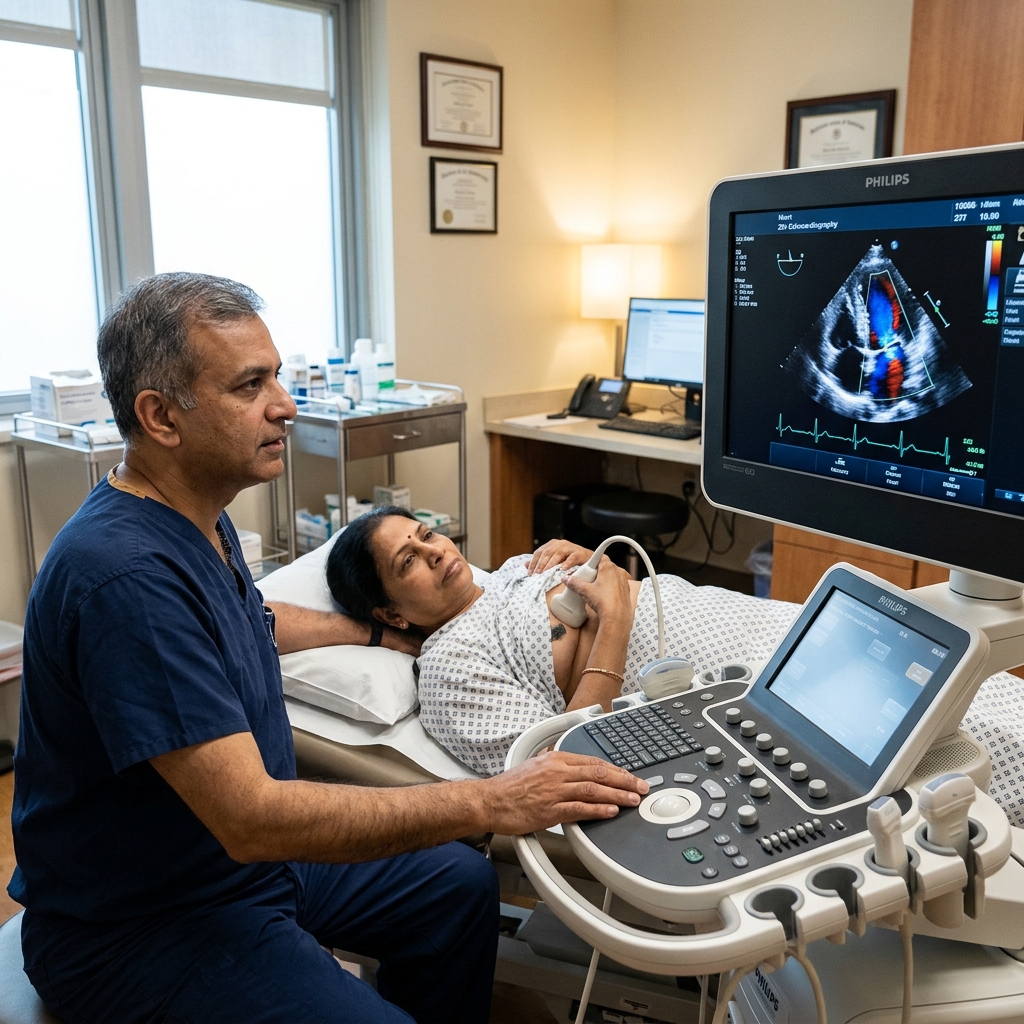
2D Echocardiography
Ultrasound imaging of heart structure, valves, and function. Complements TMT by assessing structural heart disease.
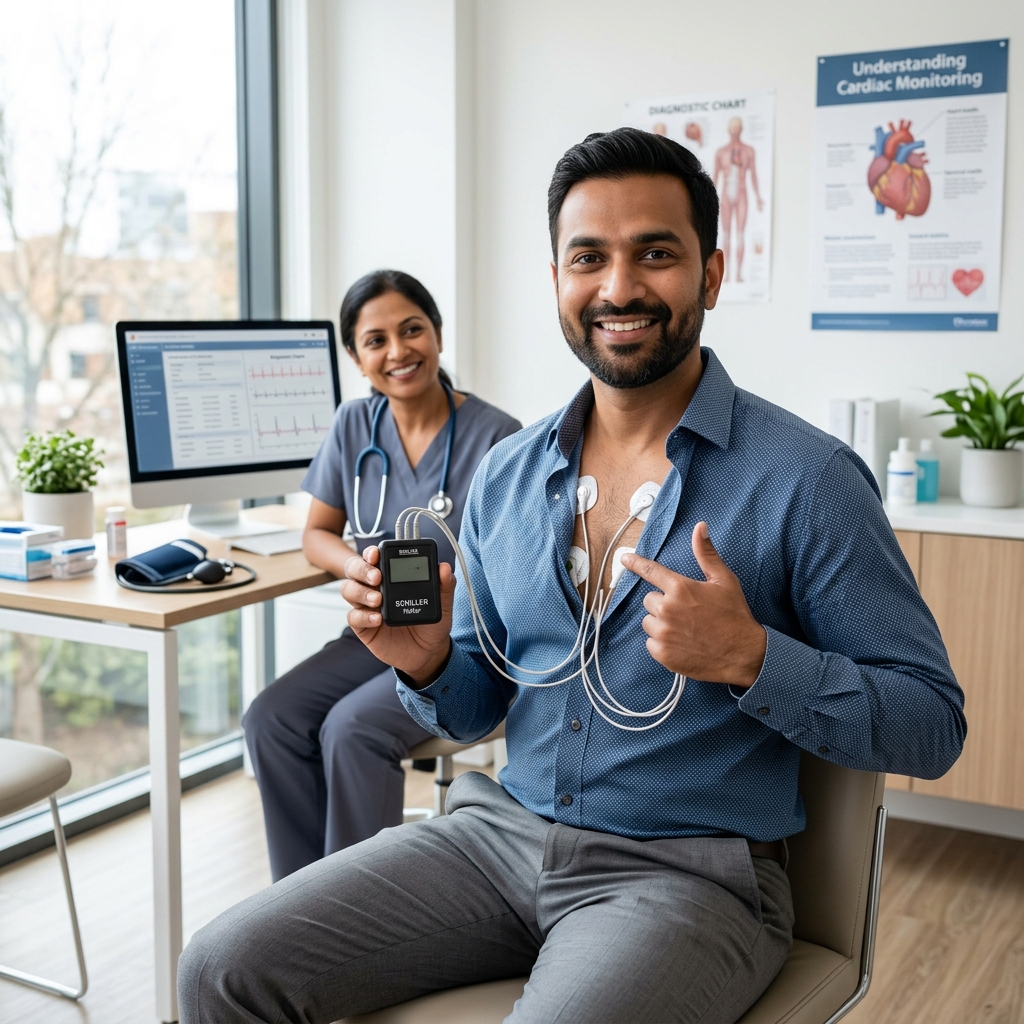
24-Hour Holter Monitoring
Continuous ambulatory ECG to detect arrhythmias that may occur spontaneously rather than with exercise.
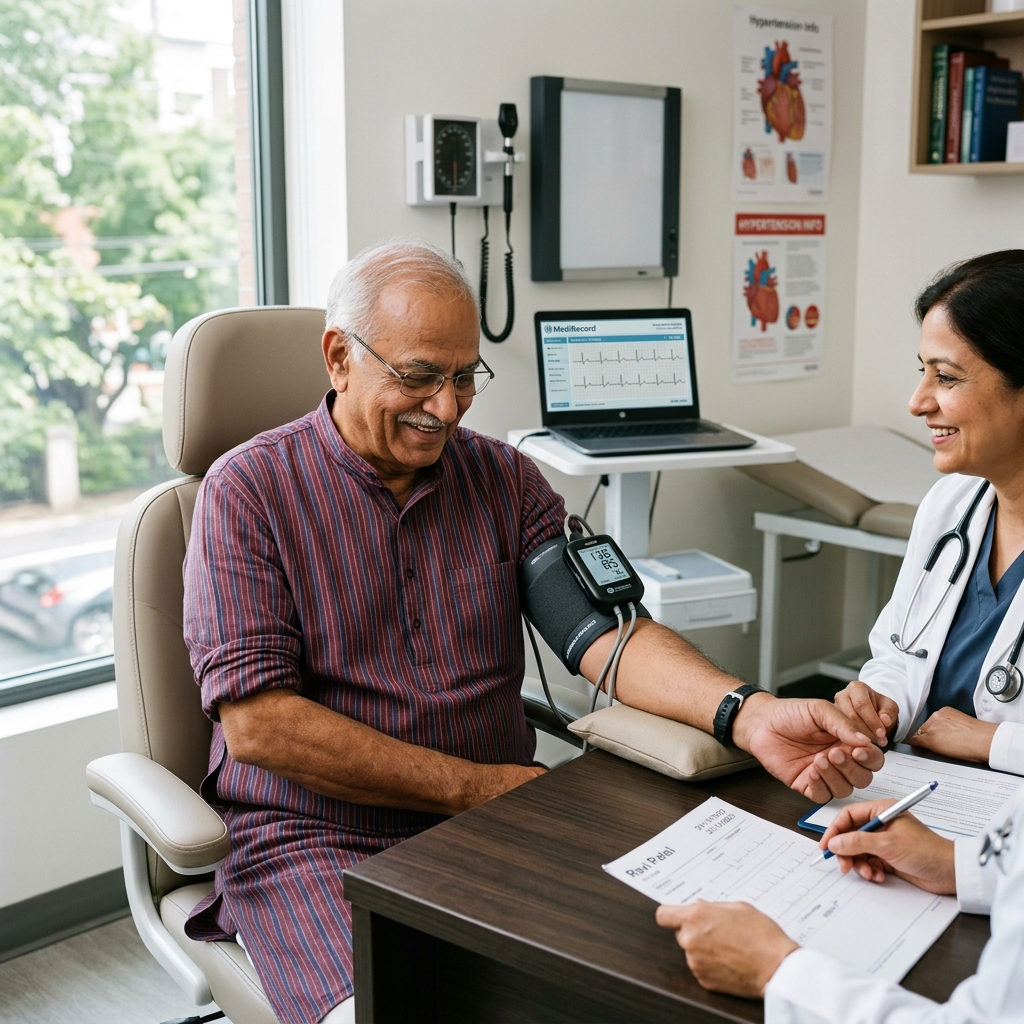
Ambulatory BP (ABPM)
24-hour blood pressure monitoring to assess hypertensive response to daily activities.

Cardiac Risk Assessment
Comprehensive 10-year cardiovascular risk profiling using SCORE2 algorithm.
Ready to Consult Dr. Amit Singh?
Schedule a clinical consultation at Heartwise Cardiology Clinic, Sector 17, Vashi or Kokilaben Hospital, Navi Mumbai.
Heartwise in Vashi. Procedures at Kokilaben.
OPD consultations, diagnostics, and patient care at Heartwise Cardiology Clinic, Vashi. Interventional procedures performed at Kokilaben Hospital, Koperkhairne.
Heartwise Clinic — Vashi
Sector 17, Vashi
Comprehensive cardiac OPD, diagnostics and consultations at the Heartwise Cardiology Clinic in Sector 17, Vashi, Navi Mumbai.
Kokilaben Hospital — Koperkhairne
Koperkhairne, Navi Mumbai
Tertiary interventional cardiac procedures — angiography, angioplasty, TAVR, structural interventions and device implantation.
Palava City — Dombivli
Palava, Dombivli
Outreach consultation clinic serving Dombivli, Kalyan and surrounding Palava City catchment.
Deepisha Medical Centre — Ulwe
Ulwe, Navi Mumbai
Cardiac OPD consultation clinic serving Ulwe, Seawoods, Belapur and the Navi Mumbai International Airport catchment.
Serving All Sectors of Navi Mumbai & MMR
Patients routinely visit our Vashi clinic from across Navi Mumbai and the surrounding Mumbai Metropolitan Region.
“Beat Better. Live Wiser.”
Dr. Amit Singh, FACC
Consultant Interventional Cardiologist
Medical Disclaimer: This article has been written and reviewed by Dr. Amit Singh, FACC, for educational purposes only. It does not constitute personalised medical advice and should not be used as a substitute for a consultation with a qualified cardiologist. Individual clinical decisions must be made by a treating physician based on complete medical history and examination. If you are experiencing chest pain, breathlessness, or other cardiac symptoms, seek emergency medical care immediately.