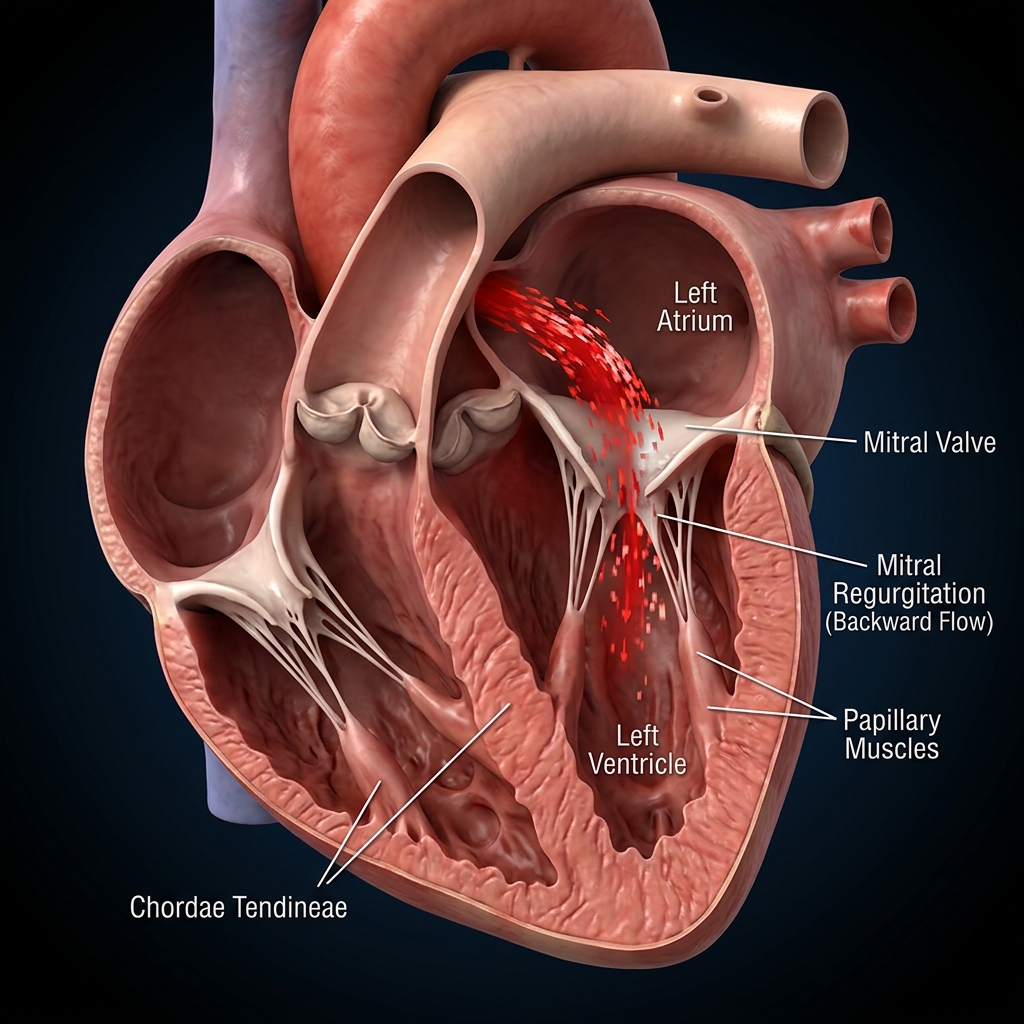
Mitral Valve Disease
Mitral valve disease takes two principal forms: mitral regurgitation (MR) — the valve leaks backwards — and mitral stenosis (MS) — the valve is narrowed and obstructs forward flow. Learn about echo grading, MitraClip repair, and balloon mitral valvotomy.
What Is Mitral Valve Disease?
The mitral valve coordinates blood flow from the left atrium into the left ventricle, operating under intense pressure loads.
Mitral regurgitation (MR) represents a leaking valve where blood backs up into the atrium during contraction. Mitral stenosis (MS) describes a narrowed valve that blocks forward flow. Comprehensive Doppler echo scans are standard to grade severity and determine repair timing.
Causes & Risk Factors for Mitral Valve Disease
MR and MS have distinct underlying causes and risk factors.
Primary Degenerative MR
Mitral Valve Prolapse (MVP), flail leaflets, chordal rupture, or infective endocarditis physically damage the leaflets. Valve repair surgery is highly preferred over replacement.
Secondary Functional MR
Dilated or ischaemic cardiomyopathies enlarge the left ventricle, pulling normal leaflets apart. Optimising SGLT2i and ARNi therapies is primary.
Rheumatic Heart Disease (MS)
In India, the dominant cause of mitral stenosis is rheumatic heart disease — valve damage following childhood streptococcal throat infection and rheumatic fever.
Infective Endocarditis
Bacterial infection of the mitral valve causes leaflet destruction, perforation, or abscess formation. Leads to acute severe MR requiring urgent surgery.
Ischaemic MR
Prior MI causing papillary muscle dysfunction or LV remodelling. The valve is structurally normal but the supporting apparatus is damaged.
Congenital & Connective Tissue Disease
MVP with myxomatous degeneration, Marfan syndrome, Ehlers-Danlos syndrome, and cleft mitral valve are less common causes of MR.
Types & Severity of Mitral Valve Disease
MR and MS are graded by echocardiographic parameters.
| Disease | Severity Grade | Echo Criteria |
|---|---|---|
| Mitral Regurgitation (MR) | Mild MR | Small central jet <4 cm². Regurgitant fraction <30%. Normal LV size. |
| Mitral Regurgitation (MR) | Moderate MR | Moderate jet. Regurgitant fraction 30–49%. Mild LA enlargement. |
| Mitral Regurgitation (MR) | Severe MR | Large central jet >8 cm² or eccentric. RF ≥50%. LVESD >40 mm. LA enlargement. |
| Mitral Stenosis (MS) | Mild MS | MVA >1.5 cm². Normal pulmonary pressure. Asymptomatic. |
| Mitral Stenosis (MS) | Moderate MS | MVA 1.0–1.5 cm². Manage symptoms. Echo every 1–2 years. |
| Mitral Stenosis (MS) | Severe MS | MVA <1.0 cm². Urgent PBMV or surgical replacement. Pulmonary hypertension. |
Signs & Symptoms of Mitral Valve Disease
Symptoms depend on the severity and type of valve lesion.
Breathlessness on Exertion
The most common symptom. Reduced forward flow in MS or volume overload in MR causes effort intolerance and dyspnoea.
Palpitations
LA enlargement from MR or MS predisposes to atrial fibrillation. AF causes palpitations and further reduces cardiac output.
Fatigue & Reduced Capacity
Reduced cardiac output from the valve lesion causes profound fatigue. Patients often limit activities unconsciously.
Heart Failure Symptoms
Advanced disease causes orthopnoea, PND, peripheral oedema, and pulmonary congestion. Indicates need for urgent intervention.
How Is Mitral Valve Disease Diagnosed?
Doppler echocardiography is the cornerstone of diagnosis and severity assessment.
Transthoracic Echocardiography (TTE)
Assesses valve morphology, jet characteristics, MVA (pressure half-time, planimetry), LA size, LV function, and pulmonary pressure. Grades MR and MS severity.
Transoesophageal Echo (TOE/TOE)
Higher resolution images of the mitral apparatus. Essential before MitraClip, PBMV, or surgical repair. Defines MR mechanism (Carpentier classification).
Wilkins Echocardiographic Score (MS)
Leaflet mobility, thickening, subvalvular fusion, and calcification scored 0–4 each. Total score ≤8 predicts excellent PBMV outcome.
Cardiac MRI
Quantifies MR severity by regurgitant volume and fraction. Assesses LV volumes and myocardial fibrosis. Useful when echo is inconclusive.
Right Heart Catheterisation
Measures pulmonary artery pressure, wedge pressure, and cardiac output. Confirms haemodynamic severity when non-invasive data are discordant.
What Happens If Left Untreated?
Progressive volume or pressure overload leads to irreversible cardiac damage.
LV Dilatation & Dysfunction (MR)
Chronic volume overload causes progressive LV enlargement and declining EF. Once LVESD exceeds 40 mm, post-operative LV dysfunction risk increases.
Pulmonary Hypertension (MS & MR)
Backward transmission of elevated LA pressure causes pulmonary hypertension, right ventricular dysfunction, and tricuspid regurgitation.
Atrial Fibrillation
LA enlargement from both MR and MS strongly predisposes to AF. AF worsens symptoms and introduces stroke risk requiring anticoagulation.
Thromboembolism (MS)
Stagnant blood in the enlarged LA in MS, especially with AF, forms clots that can cause stroke. Anticoagulation is essential in MS + AF.
Treatment Options for Mitral Valve Disease
Treatment depends on lesion type, severity, symptoms, and anatomy.
Mitral Valve Repair Surgery
Class I for severe symptomatic MRPreferred for primary degenerative MR. Valve-preserving surgery (leaflet resection, chordal repair, annuloplasty ring) avoids prosthesis-related complications.
MitraClip
COAPT: −47% HF hosp, −38% mortalityCatheter-based repair for secondary MR in HF patients. COAPT trial: −47% HF hospitalisation, −38% mortality. Requires strict patient selection.
Balloon Mitral Valvotomy (PBMV)
Preferred for suitable MS anatomyCatheter procedure for MS with suitable anatomy (Wilkins ≤8). Balloon splits fused rheumatic leaflets, doubling valve area.
Mitral Valve Replacement
When repair is not feasible. Mechanical valve (lifelong warfarin) or bioprosthetic valve (limited durability, no anticoagulation).
Medications for Mitral Valve Disease
Medical therapy focuses on symptom control and complication prevention.
| Medication | Role | Notes |
|---|---|---|
| Diuretics | Symptom relief for pulmonary congestion | Furosemide reduces breathlessness in decompensated MR/MS |
| Anticoagulation (DOAC/Warfarin) | Stroke prevention in AF + MVD | MS + AF = warfarin preferred. MR + AF = DOAC or warfarin |
| Beta-Blocker / CCB | Rate control if AF present | Slows ventricular rate, improves filling time in MS |
| GDMT (ACEi/ARNi, Beta-Blocker, MRA, SGLT2i) | LV remodelling in secondary MR | Optimises HF therapy before considering MitraClip |
| Antibiotic Prophylaxis | Endocarditis prevention | Only for prosthetic valves or prior endocarditis (not native MVD) |
Lifestyle Changes & Self-Care for Mitral Valve Disease
Healthy habits help manage symptoms and prevent complications.
Regular Echo Surveillance
Essential monitoringAnnual or bi-annual echo to monitor severity progression. Report any new or worsening symptoms immediately.
Salt Restriction
Reduces congestionLimit sodium to <2g/day to reduce fluid overload, especially if there is any HF component from MR or MS.
Moderate Exercise
As toleratedRegular gentle exercise as tolerated. Avoid heavy lifting and competitive sports in severe disease. Cardiac rehabilitation beneficial.
Infection Prevention
Endocarditis preventionGood dental hygiene and prompt treatment of infections. Antibiotic prophylaxis for dental procedures only if prosthetic valve or prior endocarditis.
Weight Management
Reduces haemodynamic burdenMaintain healthy BMI. Obesity increases LA pressure and worsens MR severity through volume overload.
Avoid Alcohol Excess
Reduces AF riskAlcohol can worsen AF and contribute to cardiomyopathy. Limit to 1–2 units per day.
Guidelines & Latest Evidence
Landmark trials define the contemporary management of mitral valve disease.
| Trial / Guideline | Key Finding | Clinical Implication |
|---|---|---|
| COAPT (NEJM 2018) | MitraClip reduced HF hospitalisation by 47% and mortality by 38% vs medical therapy in secondary MR | MitraClip standard of care for selected secondary MR |
| MITRA-FR (NEJM 2018) | MitraClip did not reduce death or HF hosp in secondary MR with less severe MR relative to LV size | Patient selection critical — COAPT-like criteria essential |
| ESC/EACTS 2021 Valve Guidelines | Surgery (repair) Class I for severe primary MR with symptoms or LVESD >40 mm or LVEF <60% | Early surgery prevents irreversible LV dysfunction |
| AHA/ACC 2020 Valve Guidelines | MitraClip Class IIa for severe secondary MR in HF patients on GDMT meeting COAPT criteria | Heart Team evaluation required |
| Wilkins Score | Score ≤8 predicts good PBMV outcomes in MS | Guide to PBMV vs surgical commissurotomy |
When to See a Doctor
Certain symptoms in mitral valve disease require prompt medical attention.
Worsening Breathlessness
Increasing dyspnoea, orthopnoea, or PND indicates disease progression or decompensation requiring echocardiographic re-evaluation.
New-Onset Atrial Fibrillation
Palpitations with irregular pulse in MVD requires ECG, echo, and anticoagulation assessment to prevent stroke.
Signs of Infection / Endocarditis
Fever, chills, night sweats, or new murmur requires blood cultures and echo to rule out infective endocarditis.
Chest Pain or Haemoptysis
Coughing blood in MS suggests pulmonary hypertension or pulmonary infarction. Chest pain may indicate endocarditis with embolisation.
Frequently Asked Questions
Guideline-directed explanations regarding mitral valve leaks and rheumatic stenoses.
01What is mitral regurgitation?
Mitral regurgitation (MR) is a leaking mitral valve — blood flows backward from the left ventricle into the left atrium during systole instead of all going forward into the aorta. Primary MR is caused by structural valve abnormality (MVP, chordal rupture). Secondary functional MR occurs when a dilated, failing ventricle distorts a structurally normal valve. Severe primary MR requires surgery (repair preferred). Severe secondary MR in heart failure may benefit from MitraClip (COAPT: −47% HF hospitalisation, −38% mortality) after optimising heart failure medications.
02What is mitral stenosis and what causes it in India?
Mitral stenosis is narrowing of the mitral valve, obstructing blood flow from left atrium to left ventricle. In India, the dominant cause is rheumatic heart disease — valve damage following childhood streptococcal throat infection and rheumatic fever. Severe MS (MVA <1.0 cm²) causes breathlessness, atrial fibrillation, pulmonary hypertension, and haemoptysis. The preferred treatment for suitable anatomy is balloon mitral valvotomy (PBMV) — a catheter procedure that separates fused valve leaflets without open-chest surgery.
03What is MitraClip and who is it for?
MitraClip is a catheter-based mitral valve repair procedure that clips the mitral leaflets together to reduce regurgitation — without open-chest surgery. It is approved for secondary MR in heart failure patients who remain symptomatic despite optimal medical therapy. COAPT (NEJM 2018) showed MitraClip reduced HF hospitalisation by 47% and mortality by 38% versus medical therapy in carefully selected patients.
04When do I need surgery for mitral valve disease?
Surgery is indicated for severe primary mitral regurgitation if you have any symptoms (breathlessness, fatigue, palpitations), or if your ejection fraction has dropped below 60%, or if the left ventricle has dilated beyond 40 mm in end-systolic diameter — even without symptoms. For mitral stenosis, intervention is needed when the valve area is severely narrowed (<1.0 cm²) or if you develop symptoms, atrial fibrillation, or pulmonary hypertension. Whenever possible, mitral valve repair is preferred over replacement as it preserves the native valve structure and avoids long-term anticoagulation. The exact timing and type of intervention are determined by echocardiographic measurements and your individual clinical profile.
05Can mitral regurgitation heal or improve on its own?
Mild mitral regurgitation (MR) discovered incidentally on echocardiography often remains stable for years and may even improve with treatment of the underlying cause. In secondary (functional) MR caused by heart failure, optimising GDMT — particularly ARNi, beta-blockers, and SGLT2 inhibitors — can reduce the severity of MR by improving ventricular function and reducing mitral annular dilation. However, moderate-to-severe primary MR (caused by structural valve disease such as flail leaflet or chordal rupture) does not heal on its own and will typically progress over time. Surgery or transcatheter intervention is indicated when the regurgitation becomes severe or causes symptoms, LV dilation, or declining EF.
06What is mitral valve prolapse?
Mitral valve prolapse (MVP) is a condition where the mitral valve leaflets bulge (prolapse) back into the left atrium during the heart's contraction. It is relatively common, affecting 2–3% of the population. Most people with MVP have no symptoms and require no treatment other than periodic echocardiographic follow-up. However, some patients with MVP develop significant mitral regurgitation that may eventually require surgery. A small subset of patients with MVP — particularly those with 'arrythmogenic MVP' — may be at risk for ventricular arrhythmias. MVP is usually diagnosed on echocardiography, and follow-up is guided by the severity of associated MR and any symptoms.
07How often should I have echocardiography for mitral valve disease?
The frequency of echocardiographic follow-up depends on the severity of the valve disease. For mild MR or MS with no symptoms, echocardiography every 2–3 years is sufficient. For moderate disease, annual or biannual echo is recommended. For severe MR without symptoms, echocardiography should be performed every 6–12 months to monitor LV function and dimensions — as surgery is indicated when EF drops below 60% or LVESD exceeds 40 mm. For severe MS, echo every 6–12 months monitors valve area and pulmonary pressures. After valve repair or replacement, a baseline post-procedure echo is performed and then annually or biennially depending on valve type and clinical status.
08Can I get pregnant with mitral valve disease?
Pregnancy with mitral valve disease requires careful pre-conception counselling and multidisciplinary management by a cardiologist and obstetrician. Women with mild MR or MS and normal cardiac function usually tolerate pregnancy well with close monitoring. However, moderate-to-severe MS is poorly tolerated during pregnancy — the increased blood volume and heart rate of pregnancy can cause rapid decompensation with pulmonary oedema. Ideally, significant valve disease should be treated before pregnancy (with PBMV for MS or surgery for MR). Women with mechanical prosthetic valves face particular challenges due to the need for anticoagulation (warfarin is teratogenic; heparin requires careful management). All pregnant women with mitral valve disease should be managed in a specialist cardio-obstetric clinic.
“Advanced cardiovascular care. Restoring life, rhythm, and vitality.”

Dr. Amit Singh, FACC
Consultant Interventional Cardiologist
Cardiac Services Available at Heartwise
Dr. Amit Singh offers comprehensive cardiac diagnostics and management for this condition at Heartwise Cardiology Clinic, Vashi.
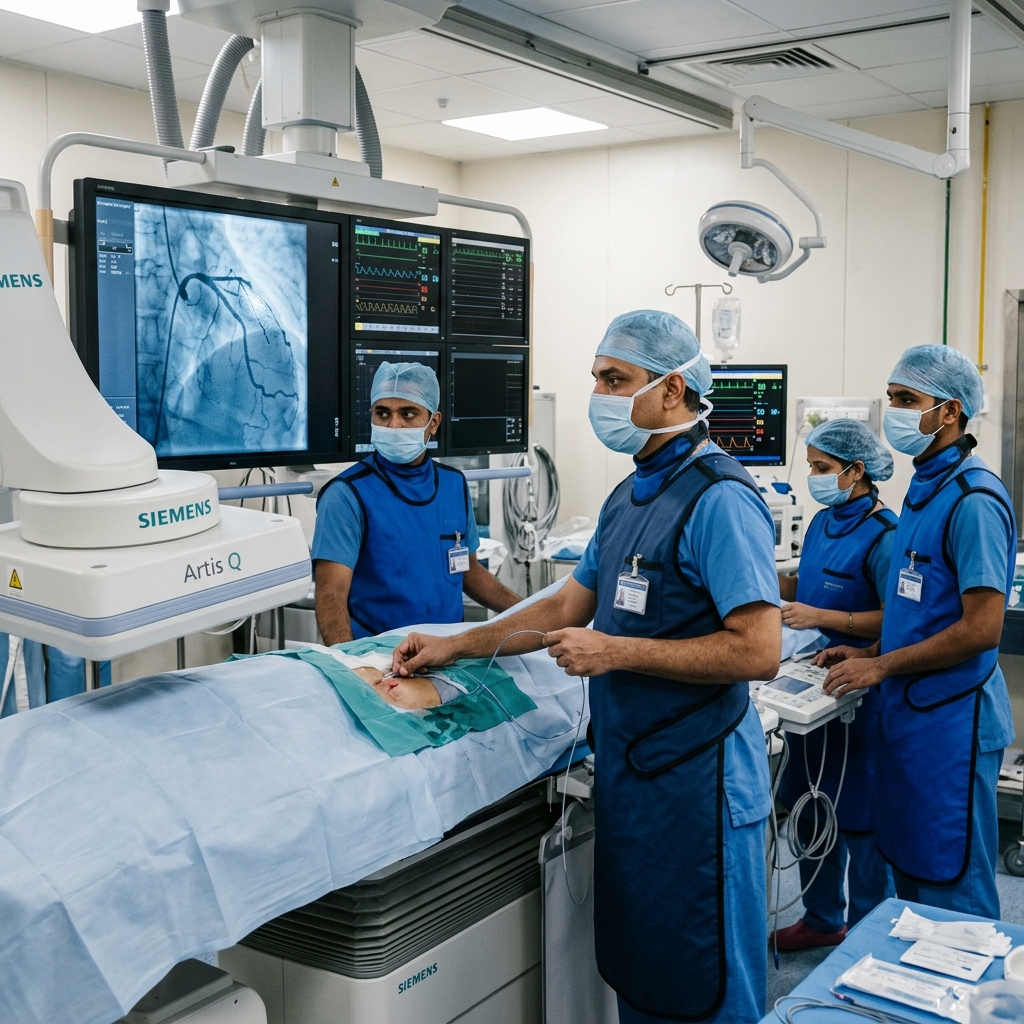
MitraClip Repair
Catheter-based mitral valve repair for secondary MR in heart failure.
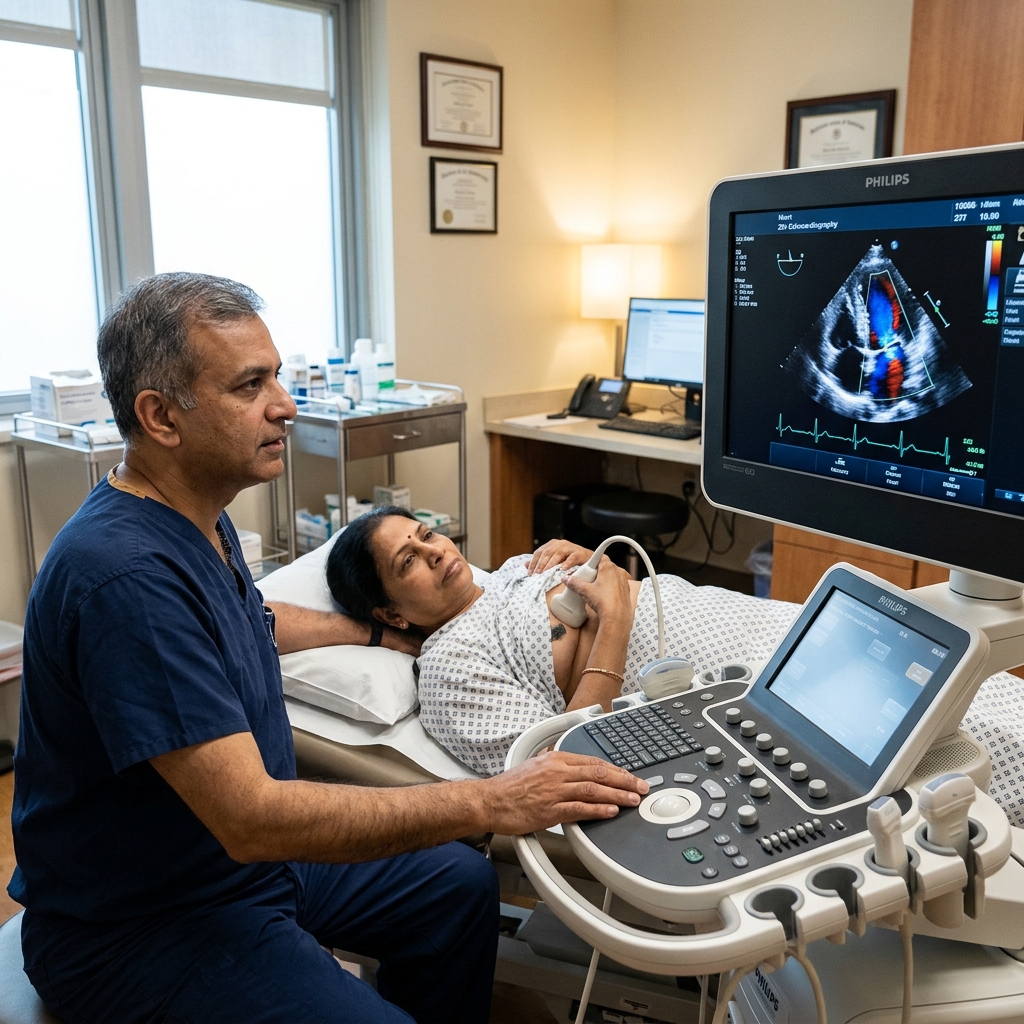
2D Echocardiography
Comprehensive Doppler grading of MR severity and Wilkins score for MS.
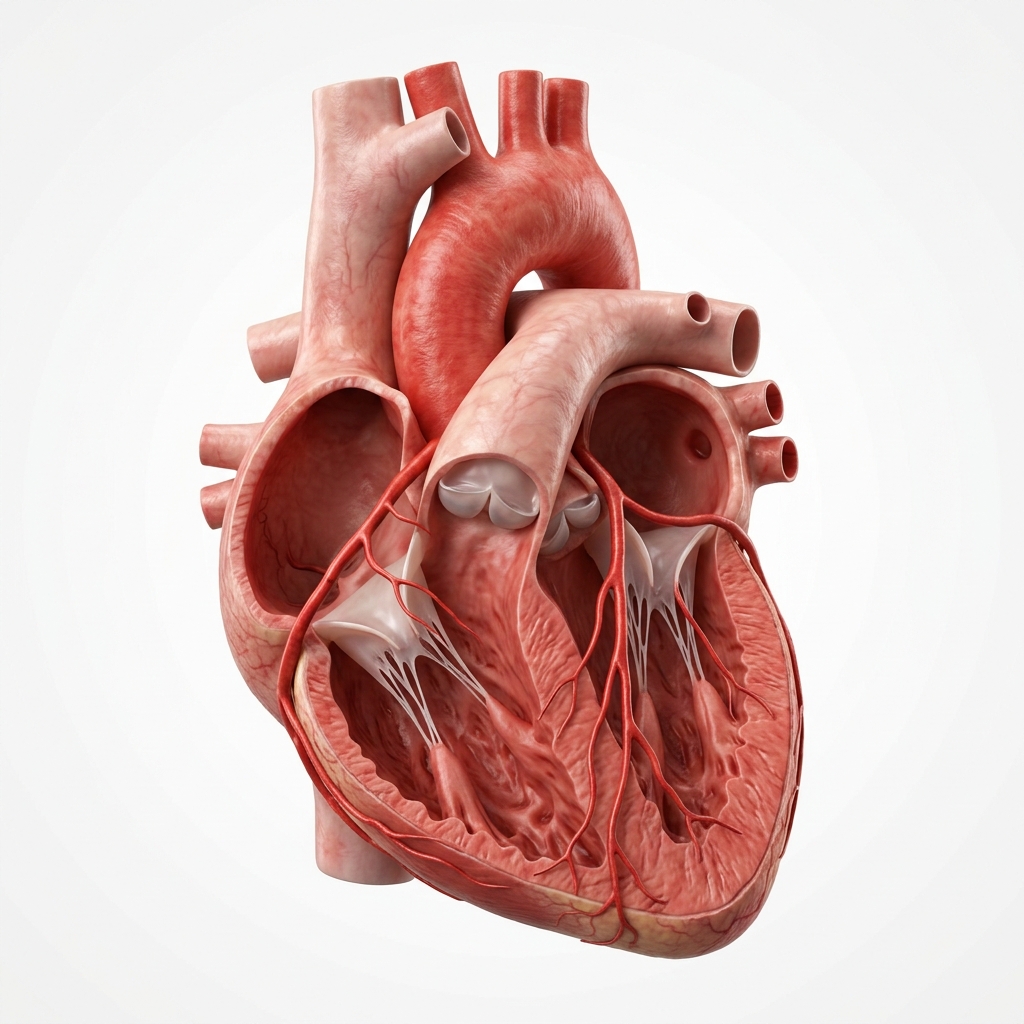
Aortic Stenosis
Coexisting valve disease evaluation and surgical planning.

Heart Failure
Secondary MR management in the context of heart failure therapy.
Ready to Consult Dr. Amit Singh?
Schedule a clinical consultation at Heartwise Cardiology Clinic, Sector 17, Vashi or Kokilaben Hospital, Navi Mumbai.
Heartwise in Vashi. Procedures at Kokilaben.
OPD consultations, diagnostics, and patient care at Heartwise Cardiology Clinic, Vashi. Interventional procedures performed at Kokilaben Hospital, Koperkhairne.
Heartwise Clinic — Vashi
Sector 17, Vashi
Comprehensive cardiac OPD, diagnostics and consultations at the Heartwise Cardiology Clinic in Sector 17, Vashi, Navi Mumbai.
Kokilaben Hospital — Koperkhairne
Koperkhairne, Navi Mumbai
Tertiary interventional cardiac procedures — angiography, angioplasty, TAVR, structural interventions and device implantation.
Palava City — Dombivli
Palava, Dombivli
Outreach consultation clinic serving Dombivli, Kalyan and surrounding Palava City catchment.
Deepisha Medical Centre — Ulwe
Ulwe, Navi Mumbai
Cardiac OPD consultation clinic serving Ulwe, Seawoods, Belapur and the Navi Mumbai International Airport catchment.
Serving All Sectors of Navi Mumbai & MMR
Patients routinely visit our Vashi clinic from across Navi Mumbai and the surrounding Mumbai Metropolitan Region.
“Beat Better. Live Wiser.”
Dr. Amit Singh, FACC
Consultant Interventional Cardiologist
Medical Disclaimer: This article has been written and reviewed by Dr. Amit Singh, FACC, for educational purposes only. It does not constitute personalised medical advice and should not be used as a substitute for a consultation with a qualified cardiologist. Individual clinical decisions must be made by a treating physician based on complete medical history and examination. If you are experiencing chest pain, breathlessness, or other cardiac symptoms, seek emergency medical care immediately.