
Pre-Operative Cardiac Clearance.
Every year, major surgeries proceed with undetected cardiovascular risks. A structured clearance assessment by an interventional cardiologist ensures correct patient risk-stratification.
Clearance in 3 Working Days.
Most routine pre-operative clearances are expedited within 72 hours, including baseline investigations. High-risk, urgent surgeries can be cleared within a same-day expedited loop.
Patients with coronary stents require meticulous antiplatelet clearance plans. Dr. Amit Singh provides absolute, clear timelines detailing when to hold and when to resume critical therapies.
What to Bring
Please assemble these documents for your assessment.
Surgical request & timeline details
Recent ECG (if completed)
Cardiac medications list
Hospital discharge records
Blood profiles (HbA1c, renal, CBC)
Prior echo or stress reports
How Peri-Operative
Cardiac Risk Is Calculated
The Revised Cardiac Risk Index (RCRI / Lee Index) calculates intra- and post-operative risks by assigning points to six independent danger factors.
| Risk Factor | Points |
|---|---|
| High-risk surgery (intraperitoneal, vascular, etc.) | 1 |
| Ischaemic heart disease history (prior MI, angina, positive TMT) | 1 |
| Congestive heart failure history | 1 |
| Cerebrovascular history (prior stroke, TIA) | 1 |
| Diabetes mellitus requiring active insulin | 1 |
| Pre-operative creatinine > 2.0 mg/dL | 1 |
| Maximum RCRI Score | 6 |
Risk Categories
Very Low Risk
MACE ~0.4%. Standard pre-op ECG generally sufficient without complex stress reviews.
Low Risk
MACE ~1.0%. Echo/ECG generally clean. Proceed if functional capacity exceeds 4 METs.
Moderate Risk
MACE ~2.4%. Echocardiogram review is mandatory. Stress test is advised under uncertain MET parameters.
High Risk
MACE ≥5.4%. Complete echo, stress tests, and active coronary evaluations are highly mandatory before elective care.
What a Clearance
Assessment Involves
History & RCRI Scoring
Verifying the six index risk markers, reviewing high/intermediate surgical types, and mapping precise metabolic capacity (METs).
12-Lead Diagnostic ECG
Auditing silent rhythm markers, prior infarct blocks, and evaluating new LBBB indicators before scheduling elective non-cardiac surgery.
Echocardiogram Reviews
Mandatory for patients displaying RCRI scores ≥2, structural issues, or unmapped clinical dyspnoea. Gauges active EF and valve parameters.
Targeted Stress Checks
TMT stress diagnostics booked only when baseline functional capacity is uncertain or intermediate risk parameters present.
Medication Optimisation
Reviewing beta-blockers, statin continuations, and configuring custom bridging calendars for anticoagulants (Warfarin/DOAC).
Clearance Letter Delivery
Structured written review outlining index parameters, ASA profiles, MACE probability, specific peri-operative medication instructions, and optimization criteria for anaesthesia/surgeons.
Antiplatelet management — the most common clearance question: Patients with coronary stents are the most complex pre-op antiplatelet cases. As a general guide: bare-metal stents — wait ≥4 weeks post-PCI before elective non-cardiac surgery; drug-eluting stents — wait ≥6 months (ideally 12 months) before stopping dual antiplatelet therapy. If surgery is urgent and within these windows, a multidisciplinary cardiology-surgical discussion is mandatory. Dr. Amit Singh provides detailed peri-operative antiplatelet plans as part of every clearance letter.
Pre-Op Clearance FAQ
Clear answers to help you navigate your treatment plan.
Clear answers to help you navigate your treatment plan.
01How quickly can I get a clearance letter?
Most routine pre-operative clearances are completed within 3 working days of the consultation — including all indicated investigations (ECG, echo, blood tests). Urgent clearances for time-sensitive surgery can be expedited to same-day or next-day on request. Please call 9769517636 and mention the surgery date when booking so the appointment is scheduled with appropriate priority.
02Do I need a clearance if I've never had heart problems?
Not always. Low-risk patients (RCRI 0, functional capacity ≥4 METs, no cardiac history) undergoing low-to-intermediate-risk surgery do not require formal cardiac clearance — a pre-operative ECG may be all that is needed. However, many patients with undetected hypertension, silent ischaemia, or subclinical valve disease are first identified through pre-operative assessment. Patients over 60, with diabetes, hypertension, CKD, or undergoing major surgery (abdominal, thoracic, vascular, orthopaedic joint replacement) benefit from formal cardiologist review.
03Should I stop my blood thinners before surgery?
This decision must be made jointly by your cardiologist, surgeon, and anaesthetist — it depends on why you are on the anticoagulant (AF stroke risk, mechanical heart valve, recent stent, DVT/PE) and the bleeding risk of the planned procedure. Never stop warfarin, a DOAC, or dual antiplatelet therapy independently without medical advice. Dr. Amit Singh provides specific, written peri-operative antiplatelet and anticoagulant instructions in every clearance letter — covering what to take, what to hold, when to hold it, and whether LMWH bridging is needed.
“Precision in cardiac diagnostics. Empathy in clinical care.”

Dr. Amit Singh, FACC
Consultant Interventional Cardiologist
Related Tests & Conditions
Pre-operative clearance commonly involves these cardiac diagnostic tests for a complete risk assessment.
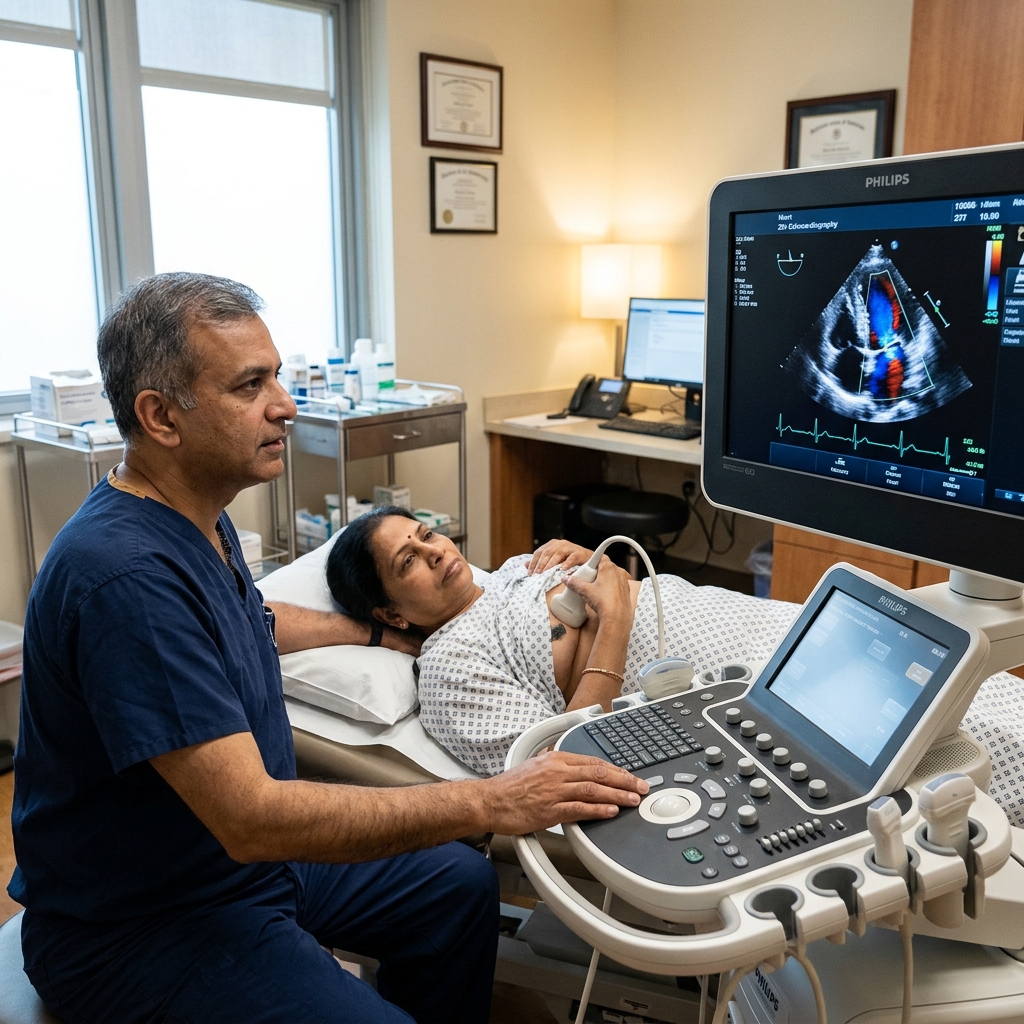
2D Echocardiography
Cardiac ultrasound to evaluate ejection fraction, valve function, and structural abnormalities before non-cardiac surgery.

Treadmill Stress Test (TMT)
Exercise ECG to assess functional capacity (METs) and identify occult coronary ischaemia before surgery.

24-Hour Holter Monitoring
Ambulatory ECG to detect asymptomatic arrhythmias that may increase peri-operative cardiac risk.
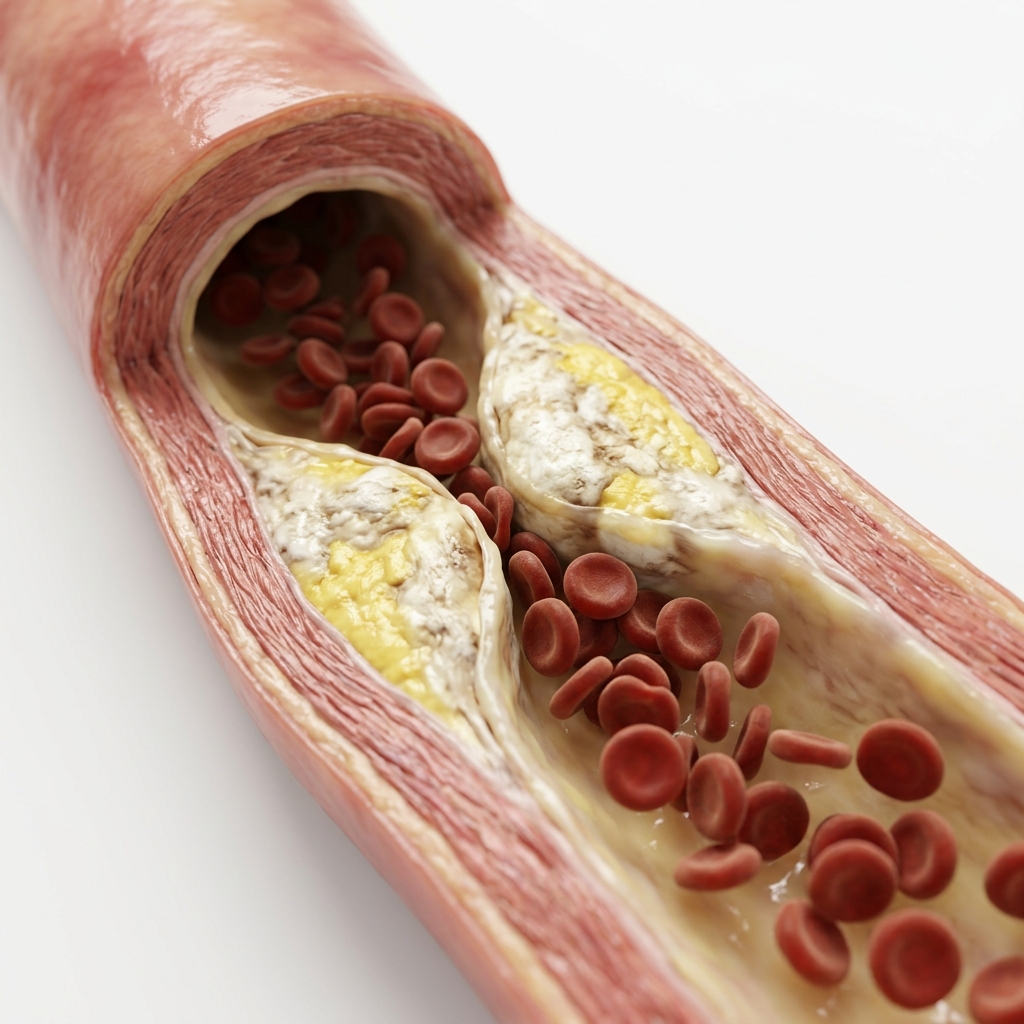
Coronary Artery Disease
Pre-operative patients with known or suspected CAD require structured risk stratification and clearance.
Ready to Consult Dr. Amit Singh?
Schedule a clinical consultation at Heartwise Cardiology Clinic, Sector 17, Vashi or Kokilaben Hospital, Navi Mumbai.
“Ensuring absolute safety before every non-cardiac procedure.”
Dr. Amit Singh, FACC
Consultant Interventional Cardiologist
Medical Disclaimer: This article has been written and reviewed by Dr. Amit Singh, FACC, for educational purposes only. It does not constitute personalised medical advice and should not be used as a substitute for a consultation with a qualified cardiologist. Individual clinical decisions must be made by a treating physician based on complete medical history and examination. If you are experiencing chest pain, breathlessness, or other cardiac symptoms, seek emergency medical care immediately.