
Atrial Fibrillation
Atrial fibrillation (AF) is the most common sustained cardiac arrhythmia — affecting over 33 million people worldwide. Characterized by an irregular, chaotic electrical rhythm in the upper heart chambers, its principal danger is cardioembolic stroke.
What Is Atrial Fibrillation?
Atrial fibrillation (AF) replaces normal, coordinated contraction of the upper heart chambers with rapid, chaotic quivering.
Instead of beating in rhythm, the upper chambers quiver, preventing blood from moving fully into the ventricles. Stagnant blood in the left atrial appendage easily clots, creating a massive risk of thromboembolic stroke.
Causes & Risk Factors for Atrial Fibrillation
Multiple cardiovascular and systemic conditions predispose to atrial fibrillation.
Hypertension
The strongest risk factor for AF. Hypertensive LVH and left atrial dilation create the electrophysiological substrate. Chronic pressure overload leads to atrial fibrosis.
Heart Failure
Elevated filling pressures and atrial stretch promote AF. AF and heart failure form a vicious cycle — each worsening the other.
Older Age
AF prevalence increases with age. Age ≥75 years carries double weight in CHA₂DS₂-VASc scoring due to exponentially rising stroke risk.
Valvular Heart Disease
Mitral stenosis and regurgitation cause left atrial enlargement. Rheumatic mitral stenosis in India is a particularly common cause of AF.
Obesity & Sleep Apnoea
Obesity causes atrial dilatation and inflammation. Obstructive sleep apnoea triggers nocturnal hypoxaemia and sympathetic surges that provoke AF episodes.
Diabetes & Thyroid Disease
Diabetes increases AF risk by ~40%. Hyperthyroidism directly causes AF through increased sympathetic tone and atrial automaticity.
Classification of Atrial Fibrillation
We categorize AF by episode duration and pattern to guide optimal rate or rhythm interventions.
| Classification | Definition | Management Consideration |
|---|---|---|
| Paroxysmal AF | Self-terminating episodes <7 days. Recurs but returns to sinus rhythm spontaneously. | Holter monitoring essential to capture and quantify AF burden |
| Persistent AF | Continuous AF lasting >7 days — requires cardioversion (electrical or pharmacological) to restore sinus rhythm. | Rhythm control strategy appropriate |
| Long-Standing Persistent AF | Continuous AF for >12 months. Rhythm control still attempted; success rate lower. | Catheter ablation may be considered |
| Permanent AF | AF accepted as permanent by patient and physician. Rate control is the focus. | Anticoagulation remains mandatory regardless of symptom status |
Classic Symptoms & Presentations
AF presents on a wide spectrum, from silent, asymptomatic quivering to acute cardioembolic strokes.
Palpitations
Racing, fluttering, or irregular heartbeat sensation. May be persistent or episodic. Many patients describe a 'flip-flop' or irregularly irregular thumping. Some patients feel nothing at all — AF is silent in approximately 30% of cases.
Breathlessness or Reduced Exercise Tolerance
Loss of atrial contraction reduces cardiac output by 15–25%, causing effort intolerance, dyspnoea on exertion, or fatigue that patients often attribute to age or fitness.
Dizziness or Presyncope
Especially during rapid AF (ventricular rate >130 bpm). Rarely causes blackout without concurrent structural heart disease.
Stroke as First Presentation
In 15–20% of AF patients, the condition is first detected when they present with acute stroke or TIA. CRYSTAL AF trial showed ILR detects AF in 30% of cryptogenic stroke patients at 3 years.
How Is Atrial Fibrillation Diagnosed?
Standard cardiac screening to record electrical events and identify structural causes.
Resting 12-Lead ECG
First test. Captures AF as an irregularly irregular baseline with absent P waves and fibrillatory waves. If symptoms are present during recording, the diagnosis is confirmed.
24-Hour Holter Monitoring
Continuous ECG for 24–48 hours captures paroxysmal AF that resting ECG misses. Symptom diary correlation confirms whether palpitations coincide with AF.
2D Echocardiography
Assesses left atrial size, ejection fraction, valve disease, and structural cause of AF. Essential first workup before deciding on anticoagulation and rhythm control.
CHA₂DS₂-VASc Stroke Risk Scoring
Validated clinical scoring framework used to calculate annual stroke probability and determine if oral anticoagulation is indicated.
Extended Monitoring (if needed)
If standard Holter is normal but episodes are infrequent, 7-day patch monitoring or implantable loop recorder (ILR) detects paroxysmal AF. CRYSTAL AF showed ILR detects AF in 30% at 3 years.
What Happens If Left Untreated?
Untreated AF significantly increases the risk of stroke, heart failure, and cognitive decline.
Cardioembolic Stroke
Stagnant blood in the left atrial appendage forms clots that can embolise to the brain. AF causes 20–30% of all ischaemic strokes. Risk is 5× higher than without AF.
Tachycardia-Mediated Cardiomyopathy
Chronic rapid ventricular rates (>110 bpm) can cause LV dysfunction and heart failure — reversible with rate or rhythm control.
Heart Failure Worsening
Loss of atrial contraction reduces cardiac output. AF in patients with existing HF accelerates decompensation and hospitalisation.
Cognitive Decline & Dementia
AF is associated with increased risk of cognitive impairment and vascular dementia, independent of clinical stroke, due to silent cerebral microemboli.
The Three Pillars of Atrial Fibrillation Management
Optimal clinical strategies address simultaneous pathways to guarantee stroke prevention and symptom control.
Stroke Prevention — Anticoagulation
ARISTOTLE: Apixaban −21% stroke, −31% major bleeding vs warfarinAll patients with CHA₂DS₂-VASc ≥2 (men) / ≥3 (women). DOACs are preferred for non-valvular AF — at least as effective as warfarin, lower ICH risk, no INR monitoring. Aspirin is NOT an alternative.
Rate Control
RACE 2 (NEJM 2010): HR <110 bpm non-inferiorSlows ventricular response using beta-blockers, CCBs, or digoxin. Lenient target (resting HR <110 bpm) is non-inferior to strict control (RACE 2).
Rhythm Control
EAST-AFNET 4: −21% CV events · CASTLE-AF: −38% death/HF in HFrEFRestores sinus rhythm via cardioversion, antiarrhythmic drugs, or catheter ablation. EAST-AFNET 4 showed early rhythm control reduced CV events by 21%.
DOAC Blood Thinner Comparison
Direct Oral Anticoagulants (DOACs) are standard-of-care for non-valvular AF, offering massive reductions in stroke with low bleeding rates.
| DOAC Drug | Primary Trial | Dosing Protocol | Clinical Advantage | Preferred Setting |
|---|---|---|---|---|
| Apixaban (Eliquis) | ARISTOTLE (NEJM 2011) | 5 mg twice daily (2.5 mg BD if ≥2 of: age ≥80, weight ≤60kg, creatinine ≥133) | Superior to warfarin — reduced stroke, mortality, and major bleeding | Most patients; preferred if bleeding risk concern; CKD (eGFR 15–29) |
| Rivaroxaban (Xarelto) | ROCKET-AF (NEJM 2011) | 20 mg once daily with evening meal (15 mg if eGFR 15–49) | Once-daily dosing — best adherence | Patients who prefer once-daily; well-controlled on once-daily regimen |
| Dabigatran (Pradaxa) | RE-LY (NEJM 2009) | 150 mg twice daily (110 mg BD if age ≥80 or bleeding risk) | Only DOAC with specific reversal agent (idarucizumab — Praxbind) | Patients requiring reversal agent availability; younger patients |
| Edoxaban (Lixiana) | ENGAGE AF (NEJM 2013) | 60 mg once daily (30 mg if eGFR 15–50, weight ≤60 kg, or P-gp inhibitor) | Once daily; lowest ICH rate in class | Once-daily preference; concern about intracranial haemorrhage |
Lifestyle Changes & Self-Care for AF
Lifestyle modifications can reduce AF burden and improve symptom control.
Avoid Alcohol Triggers
Reduces episode frequencyAlcohol is a well-established trigger for AF episodes. The 'Holiday Heart Syndrome' describes AF after binge drinking. Limit to 1–2 units per day or abstain entirely.
Optimize Sleep & Manage Sleep Apnoea
CPAP: −42% AF recurrenceObstructive sleep apnoea is a strong independent risk factor for AF. CPAP therapy reduces AF recurrence after cardioversion and ablation.
Weight Management
10% weight loss: −6× AF-free survivalObesity causes atrial dilatation and inflammation. Weight loss of 10% or more significantly reduces AF burden and progression from paroxysmal to persistent.
Stress Reduction & Vagal Tone
Complementary therapyStress and anxiety can provoke AF episodes. Yoga, meditation, and biofeedback have been shown to reduce episode frequency.
Regular Moderate Exercise
Improves quality of lifeRegular aerobic exercise maintains cardiovascular fitness and helps maintain sinus rhythm. Avoid extreme endurance exercise which may increase AF risk.
Monitor Triggers
Personalised trigger avoidanceKeep a symptom diary to identify personal triggers — caffeine, alcohol, stress, dehydration, or certain medications. Avoid identified triggers.
Guidelines & Latest Evidence
Major trials define the modern management of atrial fibrillation.
| Trial / Guideline | Key Finding | Clinical Implication |
|---|---|---|
| EAST-AFNET 4 (NEJM 2020) | Early rhythm control reduced CV death, stroke, and hospitalisation by 21% vs rate control alone | Early rhythm control in patients with CV risk factors |
| CASTLE-AF (NEJM 2018) | Catheter ablation reduced death and HF hospitalisation by 38% in HFrEF + AF | Ablation improves outcomes in HFrEF |
| ARISTOTLE (NEJM 2011) | Apixaban reduced stroke by 21%, mortality by 11%, and major bleeding by 31% vs warfarin | Apixaban preferred DOAC in most patients |
| RACE 2 (NEJM 2010) | Lenient rate control (HR <110 bpm) non-inferior to strict control (<80 bpm) | Simpler rate control strategy acceptable |
| 2024 ESC Guidelines | DOACs recommended over warfarin for non-valvular AF | Early rhythm control, integrated AF care |
When to See a Doctor
Certain AF symptoms and presentations require prompt medical evaluation.
New-Onset Palpitations or Irregular Pulse
Any new sensation of irregular, rapid, or 'fluttering' heartbeat warrants ECG and evaluation for AF.
Symptoms of Stroke or TIA
Sudden weakness, facial droop, speech difficulty, or visual loss may be the first presentation of AF. Immediate emergency assessment is required.
Rapid Heart Rate at Rest
If the resting heart rate is consistently >120 bpm or you feel dizzy/lightheaded, seek evaluation for rate control.
Bleeding While on Anticoagulation
Any unusual bleeding, easy bruising, dark stools, or blood in urine while on DOACs or warfarin requires assessment of anticoagulation intensity.
Frequently Asked Questions
Guideline-directed clarifications regarding chronic irregular rhythms and stroke safety.
01What is atrial fibrillation?
Atrial fibrillation (AF) is the most common sustained cardiac arrhythmia — an irregular, chaotic electrical rhythm in the upper heart chambers (atria). Instead of contracting in an organised way, the atria quiver, causing an irregularly irregular pulse. The principal danger is stroke: stagnant blood in the left atrial appendage forms clots that can embolise to the brain. AF causes 20–30% of all ischaemic strokes. Every patient with AF requires CHA₂DS₂-VASc stroke risk scoring and anticoagulation where indicated.
02What is the CHA₂DS₂-VASc score?
The CHA₂DS₂-VASc score calculates annual stroke risk in non-valvular AF patients. Risk factors and their points: Heart failure (1), Hypertension (1), Age ≥75 (2 — double weight), Diabetes (1), Stroke/TIA history (2 — double weight), Vascular disease (1), Age 65–74 (1), Female sex (1). Maximum score = 9. Men with score ≥2 and women with score ≥3 should receive anticoagulation. Prior stroke or TIA (S₂ = 2 points) alone mandates anticoagulation regardless of other factors.
03What is the difference between rate and rhythm control?
Rate control slows the ventricular rate (target <110 bpm at rest) using beta-blockers or diltiazem — the patient remains in AF but symptoms are controlled. Rhythm control attempts to restore and maintain normal sinus rhythm via cardioversion, antiarrhythmic drugs, or catheter ablation. EAST-AFNET 4 (NEJM 2020) showed that early rhythm control in patients with cardiovascular risk factors reduced CV death, stroke, and hospitalisation by 21% versus rate control alone — supporting earlier rhythm control in suitable patients.
04Are DOAC blood thinners safe for AF?
DOACs (apixaban, rivaroxaban, dabigatran, edoxaban) are the preferred anticoagulants for non-valvular AF — safer and more effective than warfarin for most patients. They are at least as effective at stroke prevention, with significantly lower intracranial haemorrhage risk. ARISTOTLE showed apixaban reduced stroke by 21%, all-cause mortality by 11%, and major bleeding by 31% versus warfarin. DOACs do not require INR monitoring. Warfarin remains indicated for mechanical heart valves and significant mitral stenosis.
05Can atrial fibrillation come and go on its own?
Yes — paroxysmal AF is defined as episodes that start and stop spontaneously within 7 days, often lasting minutes to hours. Many patients with paroxysmal AF experience symptoms intermittently, sometimes going weeks or months between episodes. These brief episodes carry the same stroke risk as persistent AF if CHA₂DS₂-VASc score is elevated, so anticoagulation decisions are based on risk factors, not on whether the AF is constant or intermittent. Holter monitoring is essential to capture paroxysmal episodes — a single normal ECG does not rule out AF. Approximately 30% of patients with paroxysmal AF will progress to persistent or permanent AF within 5 years.
06What can trigger an atrial fibrillation episode?
Common triggers for AF episodes include excessive alcohol consumption (particularly binge drinking — the 'holiday heart syndrome'), caffeine in sensitive individuals, sleep deprivation, physical or emotional stress, dehydration, and electrolyte imbalances. Fever, acute infections (especially pneumonia), and post-surgical states can also precipitate AF. Obstructive sleep apnoea is a powerful and under-recognised trigger — treating sleep apnoea can significantly reduce AF burden. Some patients identify specific triggers through symptom diaries. Avoiding known triggers, maintaining good sleep hygiene, and managing stress can reduce episode frequency but does not eliminate the need for anticoagulation if indicated.
07Is catheter ablation better than medication for atrial fibrillation?
Catheter ablation (pulmonary vein isolation) is more effective than antiarrhythmic medication at maintaining sinus rhythm and reducing AF recurrence — particularly in patients with paroxysmal AF and structurally normal hearts. The EAST-AFNET 4 trial showed that early rhythm control (including ablation) reduced cardiovascular death, stroke, and hospitalisation by 21% compared with rate control alone. Ablation is especially beneficial for patients who are intolerant of or unresponsive to antiarrhythmic drugs, those with heart failure and AF (CASTLE-AF showed a 38% reduction in death and HF hospitalisation), and younger patients who prefer a curative approach. However, ablation does not eliminate the need for anticoagulation in patients with elevated stroke risk.
08Can I live a normal life with atrial fibrillation?
Yes — with appropriate management, most patients with AF can lead a full, active, and normal life. The key components are: stroke prevention with anticoagulation when indicated (DOACs are safe and convenient with no need for regular blood monitoring), rate or rhythm control to manage symptoms, and treatment of underlying conditions such as hypertension, sleep apnoea, and obesity. Many athletes, public figures, and active seniors live well with AF. Regular exercise is encouraged, though competitive athletes should undergo cardiac evaluation. Driving is generally permitted if symptoms are controlled. The most important message is that AF is a manageable chronic condition — not a life sentence.
“Advanced cardiovascular care. Restoring life, rhythm, and vitality.”

Dr. Amit Singh, FACC
Consultant Interventional Cardiologist
Cardiac Services Available at Heartwise
Dr. Amit Singh offers comprehensive cardiac diagnostics and management for this condition at Heartwise Cardiology Clinic, Vashi.

24-Hour Holter Monitor
Continuous ECG recording capturing paroxysmal AF and quantifying AF burden.
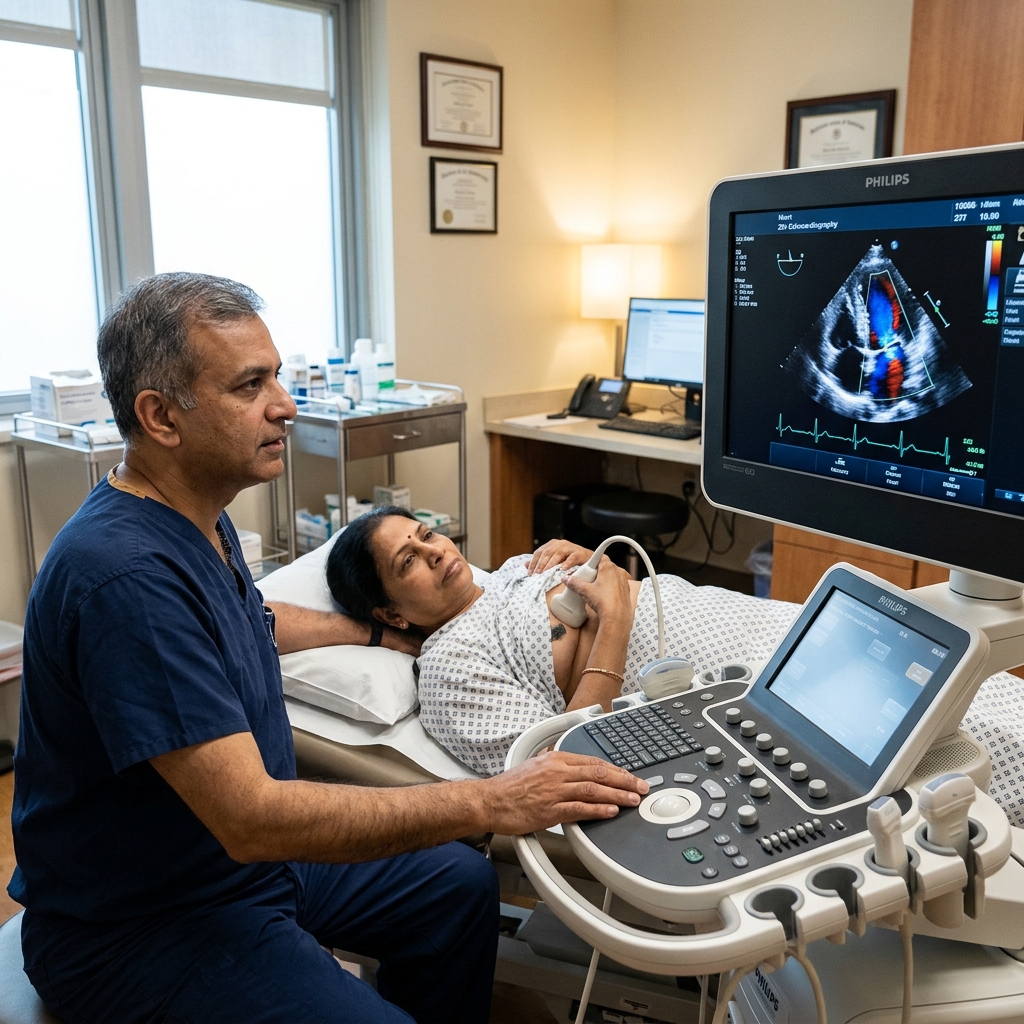
2D Echocardiography
LA size assessment, LV function, and structural cause evaluation for AF.
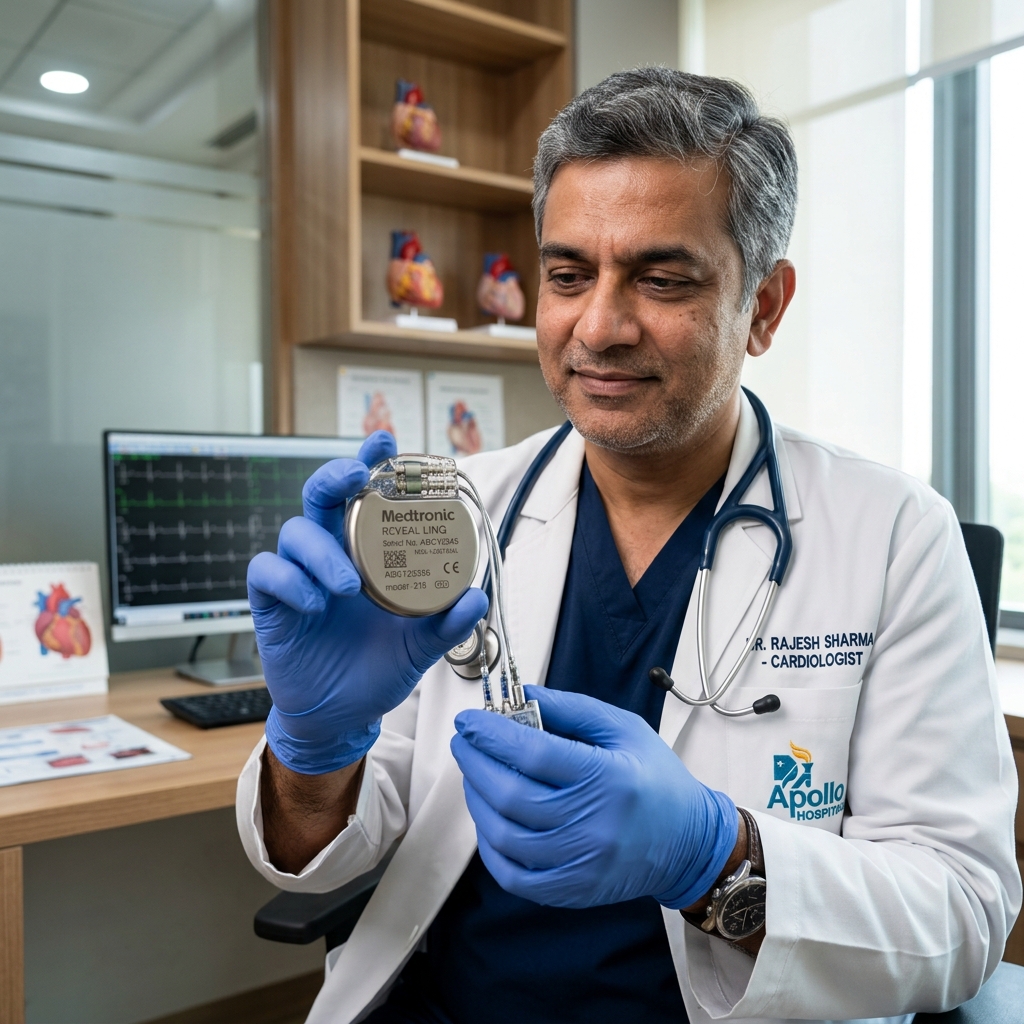
Pacemaker Implantation
CRT and pacemaker solutions for AF with sick sinus or AV block.
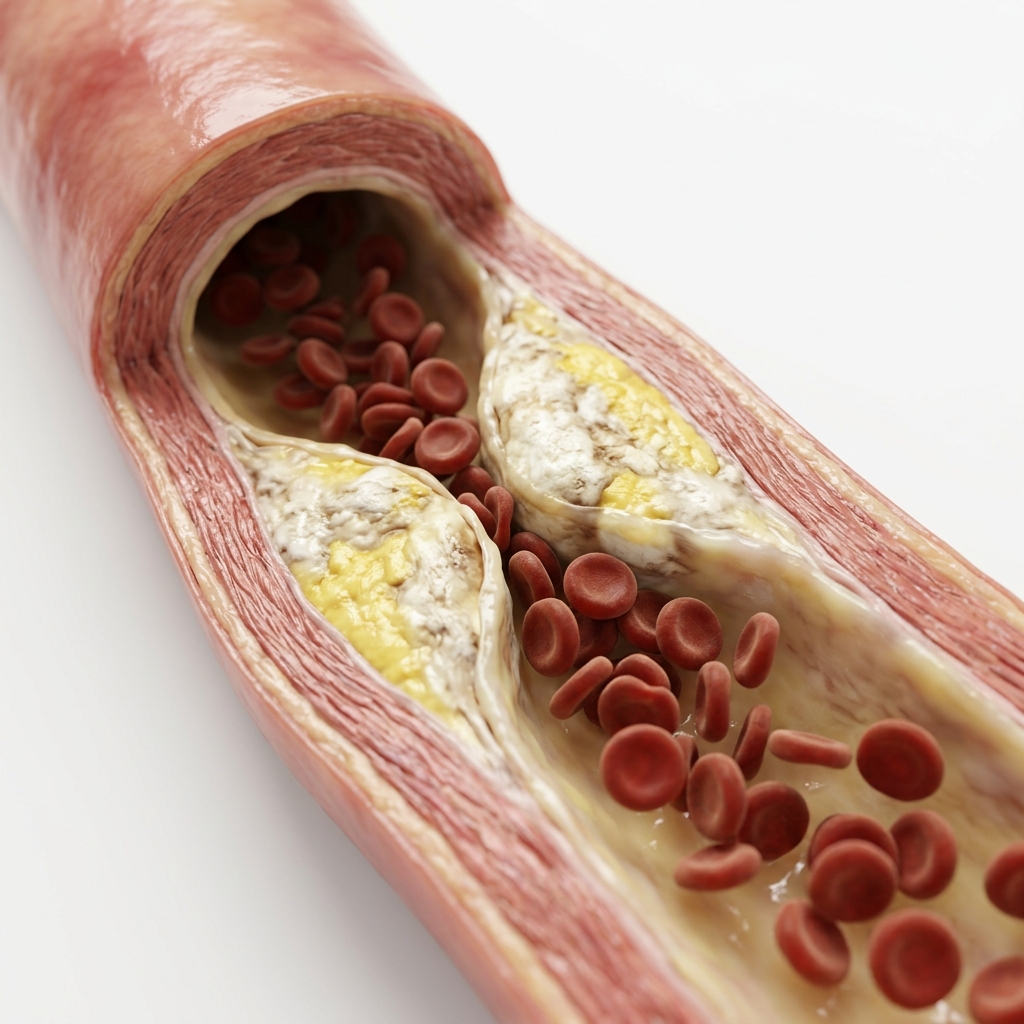
Coronary Artery Disease
CAD frequently coexists with AF — comprehensive joint management.
Ready to Consult Dr. Amit Singh?
Schedule a clinical consultation at Heartwise Cardiology Clinic, Sector 17, Vashi or Kokilaben Hospital, Navi Mumbai.
Heartwise in Vashi. Procedures at Kokilaben.
OPD consultations, diagnostics, and patient care at Heartwise Cardiology Clinic, Vashi. Interventional procedures performed at Kokilaben Hospital, Koperkhairne.
Heartwise Clinic — Vashi
Sector 17, Vashi
Comprehensive cardiac OPD, diagnostics and consultations at the Heartwise Cardiology Clinic in Sector 17, Vashi, Navi Mumbai.
Kokilaben Hospital — Koperkhairne
Koperkhairne, Navi Mumbai
Tertiary interventional cardiac procedures — angiography, angioplasty, TAVR, structural interventions and device implantation.
Palava City — Dombivli
Palava, Dombivli
Outreach consultation clinic serving Dombivli, Kalyan and surrounding Palava City catchment.
Deepisha Medical Centre — Ulwe
Ulwe, Navi Mumbai
Cardiac OPD consultation clinic serving Ulwe, Seawoods, Belapur and the Navi Mumbai International Airport catchment.
Serving All Sectors of Navi Mumbai & MMR
Patients routinely visit our Vashi clinic from across Navi Mumbai and the surrounding Mumbai Metropolitan Region.
“Beat Better. Live Wiser.”
Dr. Amit Singh, FACC
Consultant Interventional Cardiologist
Medical Disclaimer: This article has been written and reviewed by Dr. Amit Singh, FACC, for educational purposes only. It does not constitute personalised medical advice and should not be used as a substitute for a consultation with a qualified cardiologist. Individual clinical decisions must be made by a treating physician based on complete medical history and examination. If you are experiencing chest pain, breathlessness, or other cardiac symptoms, seek emergency medical care immediately.