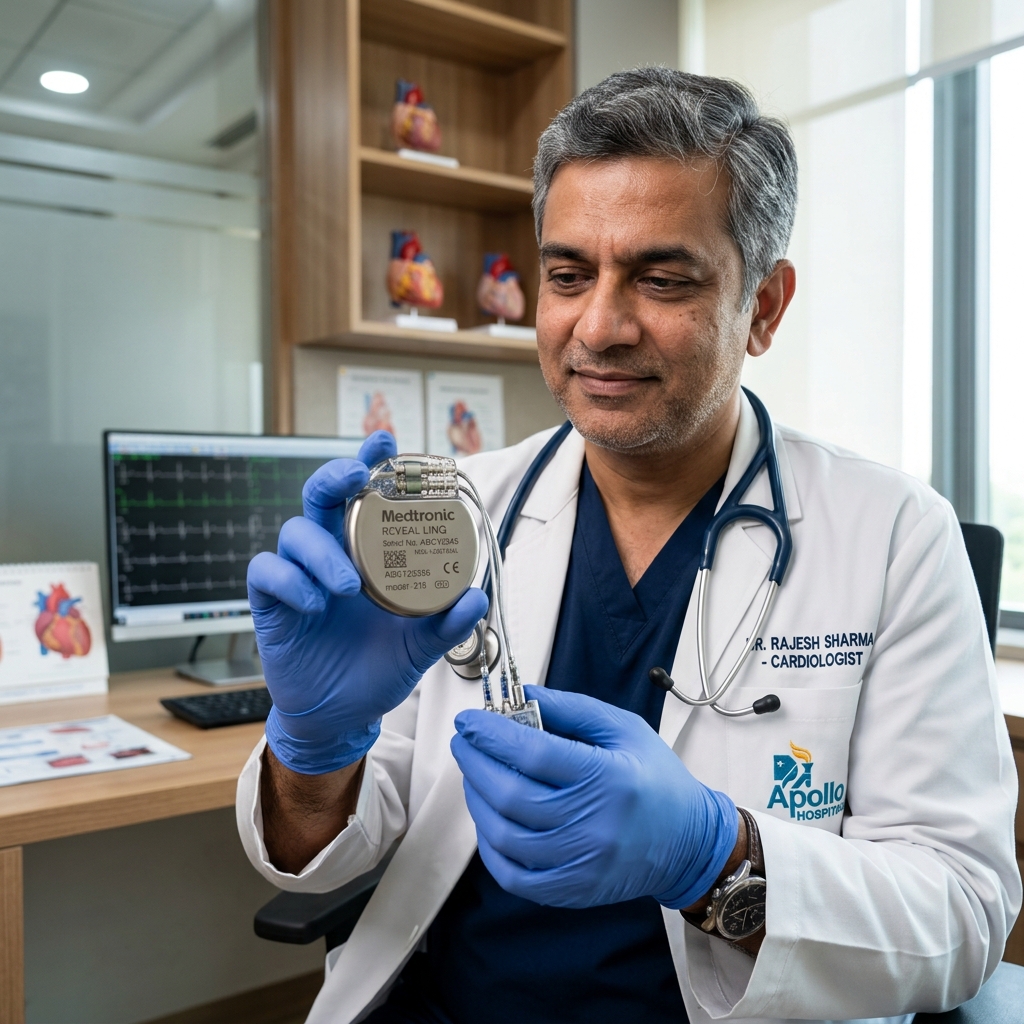
Pacemaker Implantation & CRT
Advanced implantable devices to protect and support cardiac electrical conduction. Offering standard dual-chamber devices, implantable cardioverter-defibrillators (ICD), heart failure resynchronisation (CRT-P/D), and state-of-the-art leadless Micra pacemakers.
Why a Pacemaker is Needed
Identify conduction block, sinus arrest pauses, and guidelines dictating pacing indication.
The heart's natural pacemaker — the sinoatrial (SA) node — normally generates electrical impulses 60–100 times per minute, triggering coordinated contraction of the atria then the ventricles via the AV node and His-Purkinje system. When this electrical system fails — whether at the SA node (sick sinus syndrome), the AV node (heart block), or the conduction pathways — the heart rate falls dangerously low (bradycardia), causing symptoms of reduced cardiac output. A permanent pacemaker provides a reliable electrical backup, ensuring the heart rate never falls below a programmed minimum and that the normal atrio-ventricular timing sequence is preserved.
Pacing Indications & Urgency
ESC guideline-based criteria for permanent pacing, CRT, and ICD implantation stratified by clinical urgency.
| Cardiac Indication Criteria | Urgency Level |
|---|---|
| Complete (3rd degree) AV block — symptomatic or asymptomatic | Urgent |
| 2nd degree AV block — Mobitz type II (high risk of progression) | Urgent–Elective |
| Sick Sinus Syndrome (SSS) with symptomatic bradycardia or sinus pauses | Elective |
| Tachy-brady syndrome — alternating fast and slow heart rates | Elective |
| Syncope (blackouts) with documented AV block or sinus arrest | Urgent |
| Post-TAVR high-degree AV block (pacemaker in 5–25% of TAVR patients) | Urgent |
| Chronotropic incompetence — heart rate fails to increase with exercise | Elective |
| Carotid sinus hypersensitivity with symptomatic cardioinhibitory syncope | Elective |
| CRT-P: HFrEF + LBBB + QRS ≥ 150 ms + NYHA II–III on GDMT | Elective |
| ICD / CRT-D: EF ≤ 35% + sustained VT or VF, or primary prevention SCD | Elective |
The Pacing & Defibrillation Spectrum
Comparing standard dual-chamber implants, leadless right ventricular capsules, CRT resynchronisers, and ICDs.
Dual-Chamber Pacemaker
Mode: DDD(R) — Senses and paces both atrium and ventricle
Technical Specs
- •Preserves AV synchrony — superior haemodynamics to single-chamber
- •Rate-adaptive (DDDR) version increases pacing rate with physical activity
- •Battery life: 8–13 years (pacing demand-dependent)
- •MRI-conditional: all current devices implanted at Kokilaben Hospital
BLOCK HF Trial · JACC 2018
Biventricular pacing superior to right ventricular-only pacing in patients with AV block and EF ≤ 50% — preventing pacing-induced LV dyssynchrony.
Leadless Pacemaker (Micra)
Medtronic Micra TPS / Micra AV — Entirely intracardiac, no leads
Technical Specs
- •No leads — no lead fracture, dislodgement, or insulation failure
- •No subcutaneous pocket — eliminates pocket haematoma and infection
- •Micra AV: AV synchrony without atrial lead (accelerometer-based)
- •Battery life: 8–15 years; retrievable if needed
- •Particularly suited: previous CIED infection, no venous access, anticoagulated patients, single-chamber VVI indication
Micra TPS Pivotal Trial · NEJM 2016
Leadless pacing: 99.2% procedure success. Major complications 51% lower vs historical transvenous pacemaker controls. Freedom from device-related serious adverse events: 96.0% at 12 months.
CRT-P / CRT-D
Cardiac Resynchronisation Therapy — 3 leads · RA + RV + LV (coronary sinus)
Technical Specs
- •Indication: EF ≤35%, LBBB, QRS ≥150 ms, NYHA II–III, on optimised GDMT
- •Reversal of LV remodelling in 60–70% of responders (LVEF improvement of ≥5%)
- •CARE-HF: 36% mortality reduction vs medical therapy
- •Battery life: 5–9 years (higher-energy device)
CARE-HF Trial · NEJM 2005
CRT vs medical therapy in LBBB HFrEF: all-cause mortality reduced 36%; HF hospitalisation reduced 52% at 29.4 months.
ICD — Implantable Cardioverter Defibrillator
Single/dual-chamber ICD · S-ICD (subcutaneous) · Combined CRT-D
Technical Specs
- •Primary prevention: EF ≤35% after ≥3 months GDMT (MADIT II, SCD-HeFT)
- •Secondary prevention: survived VT/VF or haemodynamically significant VT
- •Anti-tachycardia pacing (ATP) terminates ~80% of VT episodes without shock
- •S-ICD: no transvenous leads — for patients without pacing requirement
SCD-HeFT Trial · NEJM 2005
ICD reduces all-cause mortality by 23% vs placebo in HFrEF patients with EF ≤35% and NYHA II–III on optimised medical therapy.
Leadless vs Transvenous Pacemakers
Comparing the two main approaches to permanent pacing — access, incisions, leads, and indications.
| Feature | Leadless Micra | Transvenous Dual-Chamber |
|---|---|---|
| Access | Femoral vein catheter | Cephalic/subclavian vein incision |
| Chest incision | None — no pocket | Yes — infraclavicular pocket |
| Leads | None — self-contained | Two leads (RA + RV) |
| Battery life | 8–15 years | 8–13 years |
| Removal | Retrievable but complex | Standard lead extraction |
| Best for | Single-chamber VVI need, infection risk, no venous access | Dual-chamber/CRT/ICD need |
Preparing for Pacemaker Implantation
Essential steps to complete before your device implant procedure.
The Implantation Process in Detail
Walk through local anaesthetic infiltration, cephalic access, threshold tests, and pocket closure.
Local Anaesthesia & Skin Preparation
Left-sided infraclavicular region (below the collarbone) is cleaned and draped. Local anaesthetic (lignocaine) is infiltrated. IV sedation provides comfort. The arm is secured to preserve shoulder mobility. Fluoroscopy confirms cardiac anatomy.
Venous Access
The cephalic vein (preferred — lowest risk of pneumothorax) or subclavian/axillary vein is accessed for lead delivery. For CRT, two or three separate venous accesses are established. For leadless Micra pacemakers, femoral venous access is used instead — no chest incision.
Lead Placement
For dual-chamber devices: a right ventricular lead is positioned at the right ventricular apex or septum, and an atrial lead is secured in the right atrial appendage. For CRT: a third lead is advanced through the coronary sinus into a lateral left ventricular branch — the most technically demanding step of CRT implantation, requiring coronary sinus venography. All leads are tested for sensing, pacing threshold, and impedance before fixation.
Pocket Creation & Generator Implantation
A subcutaneous pocket is created below the collarbone. The generator (battery) is connected to the leads and placed in the pocket. Meticulous haemostasis is performed to minimise pocket haematoma — the most common post-implant complication. The pocket is closed in anatomical layers.
Device Programming
The device is programmed to the appropriate pacing mode, base rate, AV delay, and sensitivity settings. For CRT, VV (interventricular) delay optimisation using echocardiography may be performed in the immediate post-implant period. Rate-responsive programming is set based on patient activity level.
Chest X-Ray & Recovery
A chest X-ray immediately post-procedure confirms lead positions and excludes pneumothorax. The patient is observed overnight. Discharge typically on day 1 or 2 after confirmation of stable device parameters and wound integrity. Device card issued at discharge — carry at all times.
Pacing Parameter Interpretation
Normal thresholds, impedance ranges, and battery longevity expectations.
| Parameter | Target Value | Clinical Significance |
|---|---|---|
| Pacing threshold (atrial) | <1.5V @ 0.4ms | Low threshold = good lead-tissue interface; <1.0V ideal |
| Pacing threshold (ventricular) | <1.0V @ 0.4ms | Capture confirmed at low energy — preserves battery life |
| R-wave sensing (ventricular) | >5mV | Adequate intrinsic signal detection; <5mV may need programming adjustment |
| Lead impedance | 300–1000Ω | Normal range; outside suggests lead fracture or insulation breach |
| Battery voltage | >2.8V | >2.8V indicates normal longevity; elective replacement indicated at ~2.2V |
Benefits & Risks of Pacemaker Therapy
A balanced view of the clinical advantages and procedural risks.
Core Clinical Benefits
- Relieves symptomatic bradycardia — syncope, dizziness, fatigue
- Restores normal AV synchrony with dual-chamber pacing
- CRT improves cardiac output and reverses LV remodelling (CARE-HF)
- ICD reduces sudden cardiac death by 23% (SCD-HeFT)
- Leadless option eliminates pocket/lead complications
- Minimally invasive — local anaesthesia, short recovery
Potential Risks & Incidence
- Pocket haematoma: 2–5% most common post-implant complication
- Lead dislodgement: <2% with modern active fixation leads
- Pocket infection: <1% with pre-procedure antibiotics
- Pneumothorax: <1% with cephalic vein approach
- Lead perforation: <0.5%
- Device erosion: rare (<0.1%)
Pivotal Clinical Trials
Key randomised trials that define modern device-based therapy.
CRT reduces all-cause mortality by 36% and HF hospitalisation by 52% in LBBB HFrEF patients
Cleland JGF et al. NEJM 2005;352:1539ICD reduces all-cause mortality by 23% vs placebo in HFrEF with EF ≤35%
Bardy GH et al. NEJM 2005;352:225Leadless pacing: 51% fewer major complications vs historical transvenous controls
Reddy VY et al. NEJM 2016;374:333Recovery & Long-Term Device Safety
Detailed precautions for the first six weeks, arm movement rules, and long-term diagnostic or scanning safety.
First 6 Weeks Checklist
- No raising left arm above shoulder height
- No driving for 1 week (simple PPM) or 4 weeks (ICD/CRT)
- Wound check at 7–10 days
- Device check at 4–6 weeks
- No contact sports or heavy lifting
- Shower permitted after 48 hours (wound sealed)
Long-Term Living Safety
- Carry device ID card at all times
- Airport security: inform staff — use handheld scanner, not arch
- MRI: present device card — requires prior programming
- Mobile phones: keep ≥15 cm from device (use opposite ear)
- Annual device clinic: battery/lead status check
- Generator replacement at battery depletion (~45 min procedure)
Pre-Implantation Checklist
- ECG documentation of the arrhythmia (Holter, loop recorder, or in-hospital ECG)
- Echocardiogram (essential for CRT planning — LVEF, LBBB, QRS measurement)
- Blood tests: full count, renal function, INR if on warfarin (target <3.0)
- Anticoagulation management: warfarin — do NOT stop (BRUISE CONTROL trial: uninterrupted warfarin safer than heparin bridging). DOACs — omit morning dose on procedure day.
- Fast 4–6 hours before procedure
- Pre-procedure antibiotics administered to prevent pocket infection
- Left-sided implant preferred — right arm remains fully mobile
| Stage | Expectations |
|---|
Frequently Asked Questions
Detailed, peer-reviewed answers to the most common patient concerns regarding batteries, pacing safety, and lead dislodgements.
01What is a cardiac pacemaker?
A cardiac pacemaker is a small battery-powered device implanted under the skin below the collarbone that monitors the heart's electrical activity and delivers controlled electrical impulses through leads to the heart muscle when it beats too slowly. Modern dual-chamber pacemakers sense and pace both the upper and lower chambers, maintaining the natural atrioventricular coordination. Battery life ranges from 7–15 years depending on type and pacing demand. When the battery depletes, only the generator is replaced — the leads are reused.
02Who needs a pacemaker?
A permanent pacemaker is indicated for symptomatic bradycardia — complete (3rd degree) AV block, 2nd degree Mobitz II AV block, sick sinus syndrome, tachy-brady syndrome, and post-TAVR high-degree AV block. Symptoms include blackouts (syncope), dizziness, extreme fatigue, breathlessness, and reduced exercise capacity. CRT is indicated for heart failure patients with LBBB and EF ≤35%. ICD is indicated for patients with EF ≤35% for sudden cardiac death prevention. The 2021 ESC Guidelines on Cardiac Pacing provide the specific criteria for each device type.
03What is a leadless pacemaker?
The Medtronic Micra is a leadless pacemaker the size of a AAA battery that is implanted entirely inside the right ventricle via a catheter through the femoral vein — no chest incision, no leads, no subcutaneous pocket. The Micra TPS Pivotal Trial (NEJM 2016) demonstrated 99.2% procedure success and 51% fewer major complications versus historical transvenous pacemaker controls. Leadless pacemakers are ideal for patients with previous device infections, no suitable venous access, or those who need single-chamber VVI pacing. The Micra AV version provides AV-synchronous pacing without an atrial lead.
04What is cardiac resynchronisation therapy (CRT)?
CRT uses three leads — right atrium, right ventricle, and left ventricle (via the coronary sinus) — to resynchronise the two ventricles in patients with heart failure and left bundle branch block (LBBB). In LBBB, the left ventricle contracts 40–80 ms late, creating inefficiency. CRT eliminates this dyssynchrony, improving cardiac output and promoting reverse LV remodelling. The CARE-HF trial (NEJM 2005) demonstrated CRT reduces all-cause mortality by 36% and HF hospitalisation by 52% in eligible patients (EF ≤35%, LBBB, QRS ≥150 ms, NYHA II–III on GDMT).
05How long does a pacemaker battery last?
Modern pacemaker batteries last 7–15 years depending on device type and pacing demand. Single-chamber pacemakers in less-dependent patients may last 10–15 years. Dual-chamber devices typically 8–12 years. CRT and ICD devices have higher energy demands and generally last 5–8 years. Leadless Micra pacemakers have a projected longevity of 8–15 years. At battery depletion, only the generator is replaced under local anaesthesia in approximately 20–30 minutes — the existing leads are retained and reconnected to the new generator.
06Can I have an MRI scan with a pacemaker?
Yes — all pacemakers implanted at Kokilaben Hospital, Koperkhairne are MRI-conditional devices, meaning MRI scans are safe under specific conditions and with appropriate device reprogramming before and after the scan. The device must be reprogrammed by a trained technician, and the MRI performed at 1.5 Tesla (or 3T where device-approved). You must present your device ID card at the MRI centre before every scan. Older pacemakers implanted before 2013 may not be MRI-conditional — always verify with your cardiologist before scheduling an MRI.
“Precision in structural interventions. Excellence in clinical outcomes.”

Dr. Amit Singh, FACC
Consultant Interventional Cardiologist
Cardiac Services Available at Heartwise
Dr. Amit Singh offers comprehensive cardiac diagnostics and management at Heartwise Cardiology Clinic, Vashi.
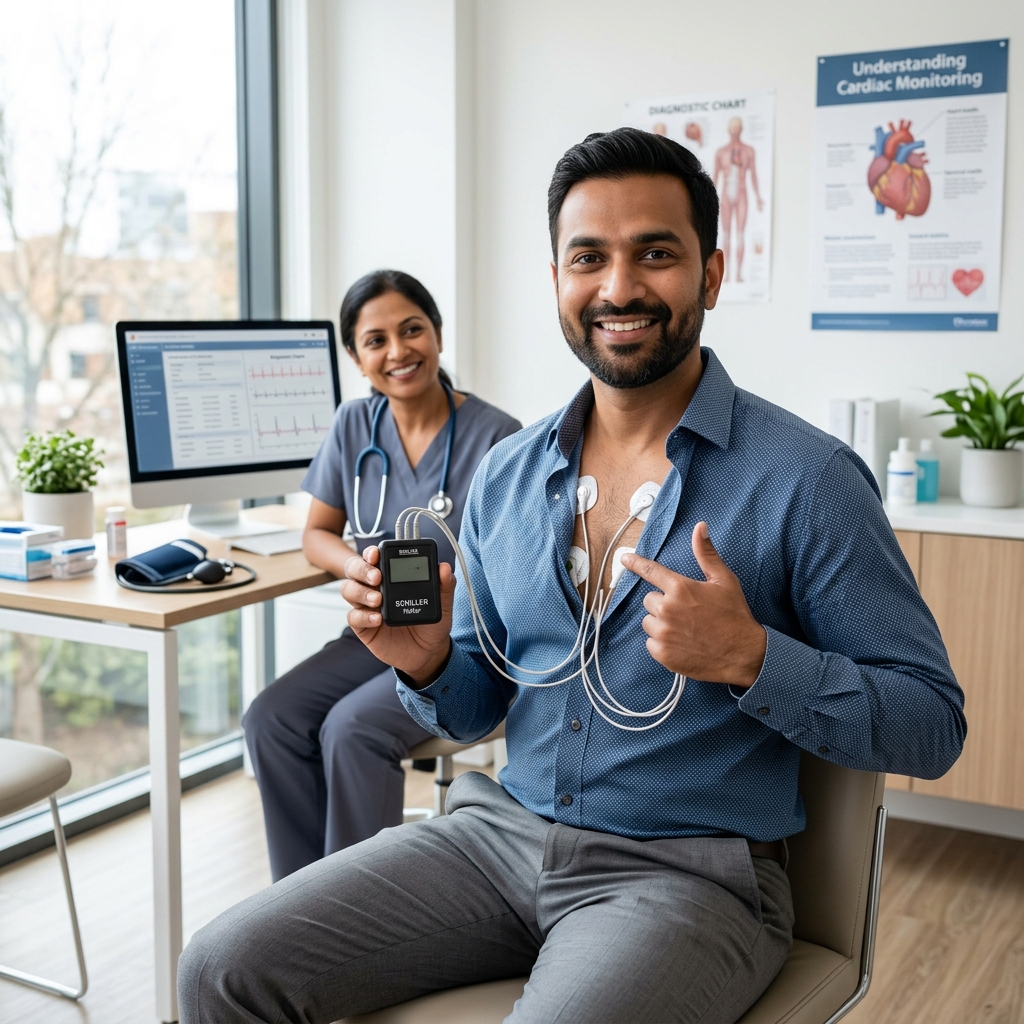
24-Hour Holter Monitoring
Continuous ECG monitoring to detect arrhythmias requiring pacemaker.
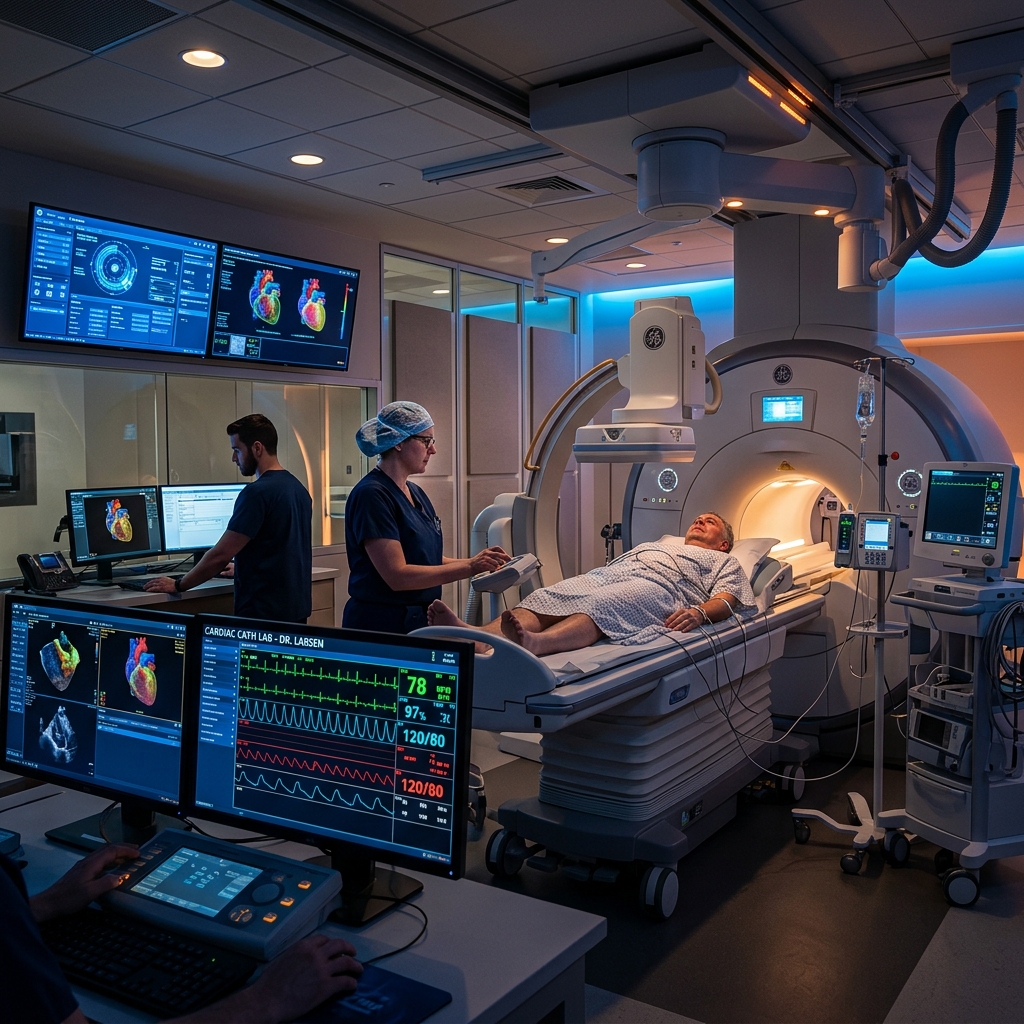
Resting 12-Lead ECG
Baseline ECG to identify conduction abnormalities and heart block.
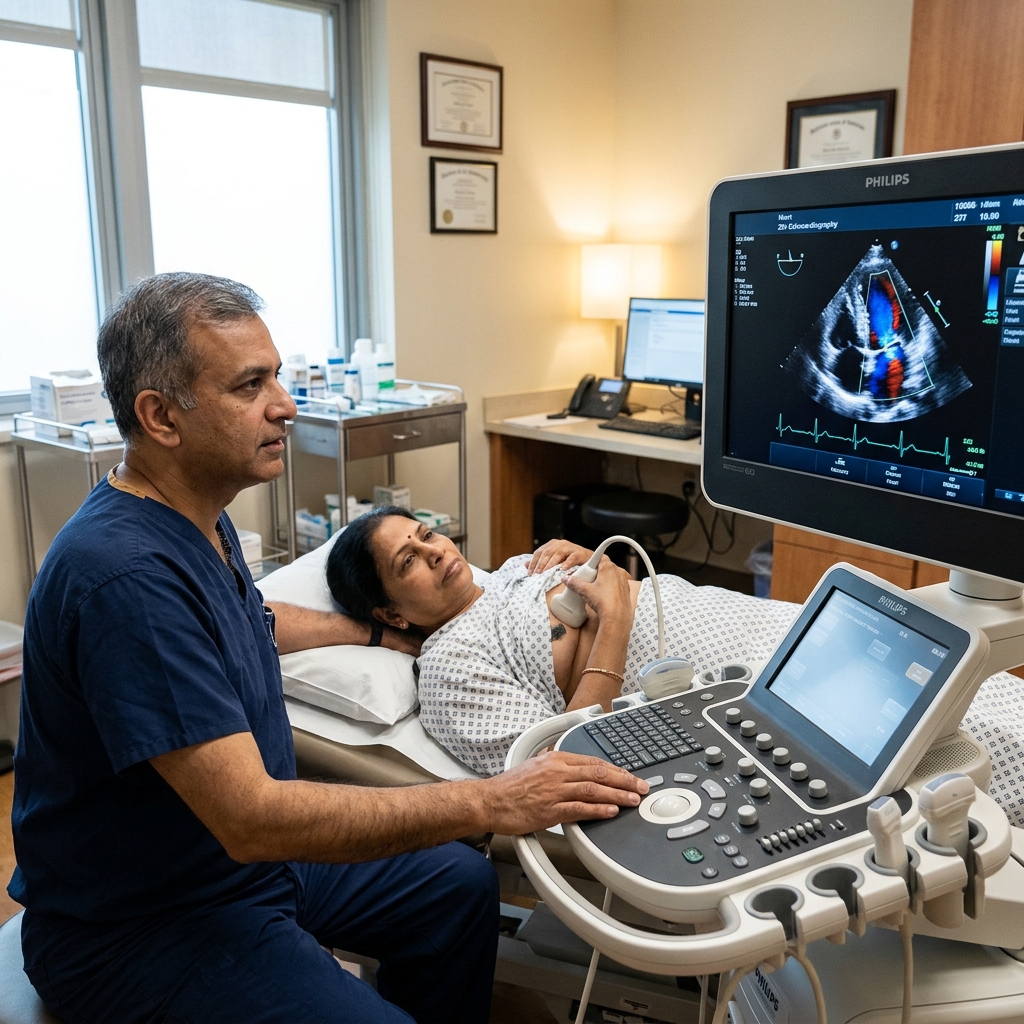
2D Echocardiography
Structural heart assessment before pacemaker implantation.
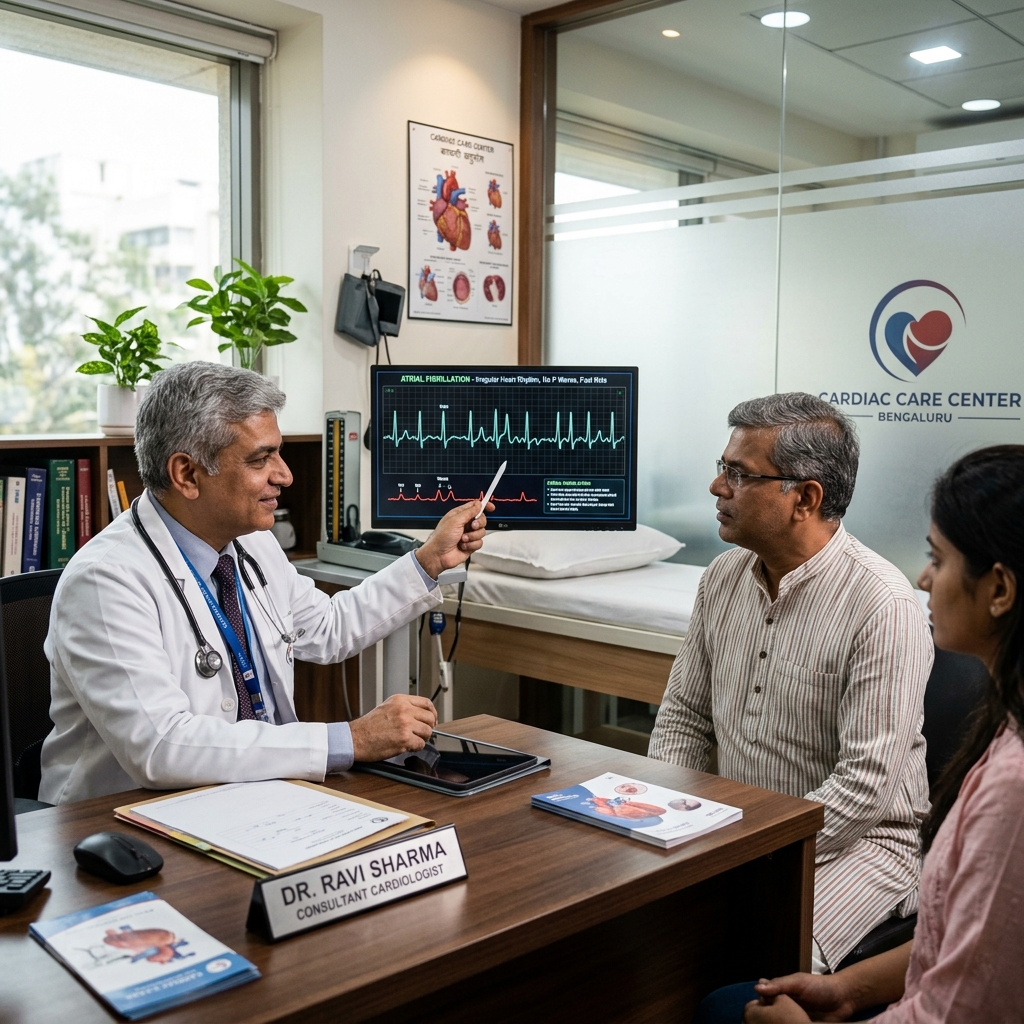
Atrial Fibrillation
AF management including rate control, rhythm control, and anticoagulation.
Ready to Consult Dr. Amit Singh?
Schedule a clinical consultation at Heartwise Cardiology Clinic, Sector 17, Vashi or Kokilaben Hospital, Navi Mumbai.
Heartwise in Vashi. Procedures at Kokilaben.
OPD consultations, diagnostics, and patient care at Heartwise Cardiology Clinic, Vashi. Interventional procedures performed at Kokilaben Hospital, Koperkhairne.
Heartwise Clinic — Vashi
Sector 17, Vashi
Comprehensive cardiac OPD, diagnostics and consultations at the Heartwise Cardiology Clinic in Sector 17, Vashi, Navi Mumbai.
Kokilaben Hospital — Koperkhairne
Koperkhairne, Navi Mumbai
Tertiary interventional cardiac procedures — angiography, angioplasty, TAVR, structural interventions and device implantation.
Palava City — Dombivli
Palava, Dombivli
Outreach consultation clinic serving Dombivli, Kalyan and surrounding Palava City catchment.
Deepisha Medical Centre — Ulwe
Ulwe, Navi Mumbai
Cardiac OPD consultation clinic serving Ulwe, Seawoods, Belapur and the Navi Mumbai International Airport catchment.
Serving All Sectors of Navi Mumbai & MMR
Patients routinely visit our Vashi clinic from across Navi Mumbai and the surrounding Mumbai Metropolitan Region.
“Beat Better. Live Wiser.”
Dr. Amit Singh, FACC
Consultant Interventional Cardiologist
Medical Disclaimer: This article has been written and reviewed by Dr. Amit Singh, FACC, for educational purposes only. It does not constitute personalised medical advice and should not be used as a substitute for a consultation with a qualified cardiologist. Individual clinical decisions must be made by a treating physician based on complete medical history and examination. If you are experiencing chest pain, breathlessness, or other cardiac symptoms, seek emergency medical care immediately.