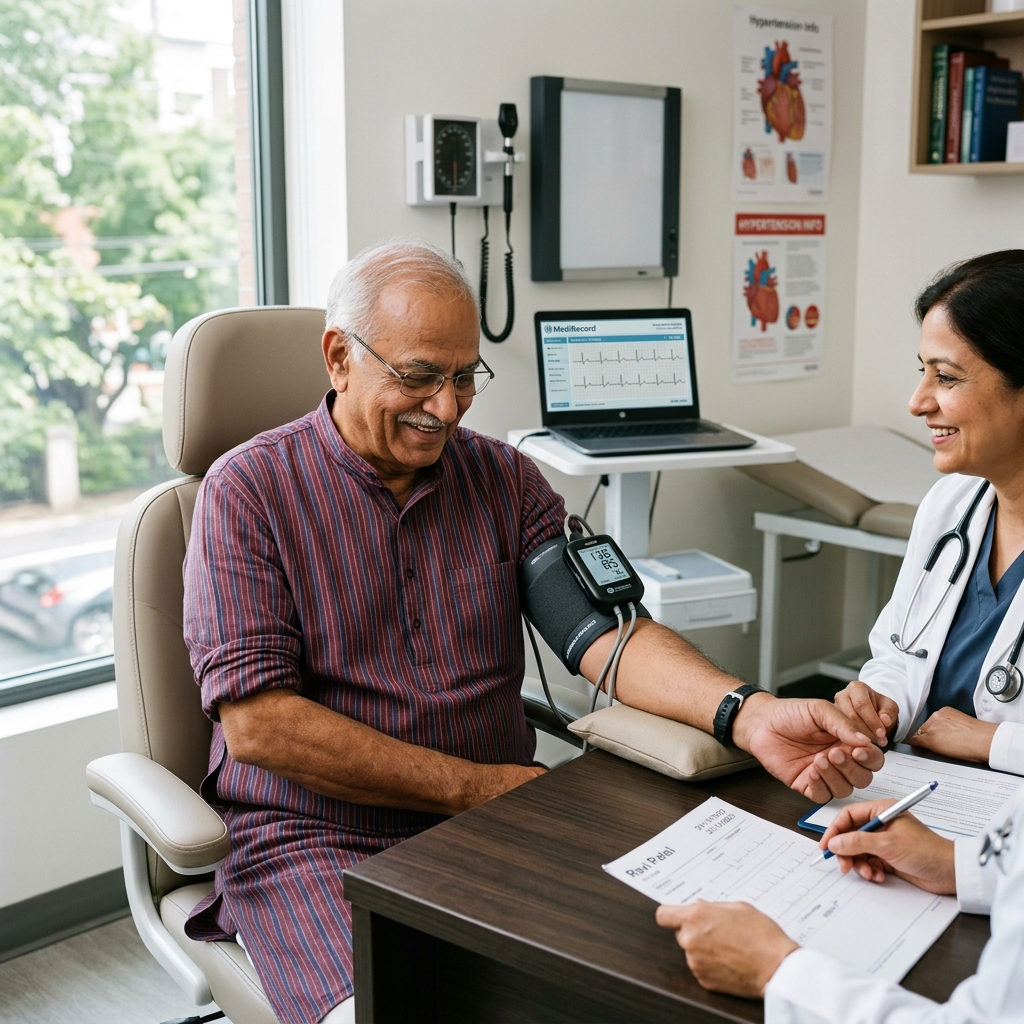
Ambulatory Blood Pressure Monitoring (ABPM)
A single blood pressure reading can be misleading due to clinic-induced anxiety or stress. ABPM tracks BP systematically across a full day to capture true baseline trends and nocturnal safety profiles.
The Four Core Blood Pressure Phenotypes
A single office measurement offers only a snapshot. ABPM maps your blood pressure against normal daily stressors to classify vascular load.
Under the latest 2023 ESH Guidelines, ABPM is considered the diagnostic benchmark for blood pressure evaluation. It isolates anomalies such as white-coat elevations or hidden (masked) nocturnal hypertension, ensuring patients are not over-medicated or under-diagnosed. The device records 50–70 readings over 24 hours, providing a complete circadian BP profile that reveals patterns no clinic reading can capture.
Causes & Risk Factors for Elevated Blood Pressure
Multiple factors contribute to sustained blood pressure elevation that ABPM can accurately quantify.
Genetic Predisposition
Family history of hypertension significantly increases individual risk. Multiple genetic variants each contribute small effects on BP regulation, making lifelong monitoring essential.
Dietary Sodium & Alcohol
High sodium intake is the most important dietary driver of hypertension. Excess alcohol, low potassium, and high saturated fat also contribute significantly to BP elevation.
Obesity & Physical Inactivity
Excess body weight increases cardiac output and systemic vascular resistance. Each 10 kg weight loss reduces systolic BP by approximately 5–10 mmHg.
Stress & Autonomic Dysregulation
Chronic sympathetic overdrive raises BP through increased heart rate and vascular tone. This is often missed by clinic readings but captured on ABPM.
Secondary Causes
Renal artery stenosis, primary hyperaldosteronism, sleep apnoea, and thyroid disease can cause resistant hypertension requiring targeted treatment.
Medication Non-Adherence
Poor compliance with antihypertensive medications is a leading cause of uncontrolled BP. ABPM helps differentiate true resistance from suboptimal dosing.
Normal vs. Elevated ABPM Thresholds
Diagnostic limits for 24-hour ambulatory tracing are stricter than standard in-office thresholds.
| Measurement Period | Normal Reference | Hypertensive Diagnosis |
|---|---|---|
| Clinic / Office BP | <140/90 mmHg | ≥140/90 |
| 24-Hour Average | <130/80 mmHg | ≥130/80 |
| Daytime Average (Awake) | <135/85 mmHg | ≥135/85 |
| Night-time Average (Asleep) | <120/70 mmHg | ≥120/70 |
| Nocturnal Dipping | >10% overnight reduction | Non-dipping: <10% reduction |
Signs & Symptoms of Hypertension
Hypertension is often silent. ABPM is critical because most patients have no warning signs until organ damage occurs.
Silent Progression
Most patients with elevated BP have no symptoms whatsoever. Damage accumulates silently over years before a heart attack, stroke, or kidney failure occurs.
Morning Headache
When symptoms do appear, morning headache — typically occipital — can signal severely elevated BP due to increased intracranial pressure overnight.
Visual Disturbances
Blurred vision or floaters may indicate hypertensive retinopathy. This is a sign of target organ damage requiring immediate BP control.
Chest Pain & Palpitations
Chronic hypertension increases cardiac workload, leading to left ventricular hypertrophy, angina, and palpitations. ABPM captures BP during these symptomatic episodes.
Fitting & Daily Patient Instructions
Maximize the quality of your 24-hour tracing by following simple physical safeguards during inflations.
Wear Comfortable Clothing
Wear loose, comfortable clothing with wide sleeves to fit the BP cuff on the upper arm.
Continue Medications Normally
Continue all pre-existing medications as normal to assess treated blood pressure efficiency.
Keep Arm Still During Inflation
Keep your arm completely still and relaxed by your side when you feel the cuff inflating.
Go About Daily Activities
Go about all daily activities — work, light walking, eating, and rest — as normal to capture representative readings.
Sleep Normally
Sleep in your normal comfortable position. The device is calibrated to cycle quietly overnight.
Return Device Next Morning
Return the device to the Vashi clinic the next morning for fast data processing and report generation.
Risks of Untreated Hypertension
Uncontrolled hypertension is the leading preventable cause of cardiovascular mortality worldwide.
Heart Attack & Stroke
Sustained high BP damages arterial walls, accelerating atherosclerosis. Each 20 mmHg rise in systolic BP doubles the risk of fatal cardiovascular events.
Left Ventricular Hypertrophy
The heart pumps against elevated resistance, causing the left ventricular wall to thicken. This increases the risk of heart failure and arrhythmias.
Kidney Damage
Hypertension is the second leading cause of chronic kidney disease. Elevated pressures damage the glomeruli, leading to progressive renal function loss.
Hypertensive Retinopathy
Retinal arterioles undergo irreversible changes from chronic BP elevation, potentially leading to vision loss if hypertension remains untreated.
How ABPM Guides Treatment Decisions
ABPM data enables precision treatment by revealing the true BP pattern and guiding therapy timing.
Medication Timing Optimization
Non-dippers benefit from night-time dosing of antihypertensives to restore natural circadian dipping. ABPM is the only way to confirm this pattern.
White-Coat Confirmation
Confirming white-coat hypertension with ABPM avoids unnecessary lifelong medication. These patients require monitoring rather than drug therapy.
Masked Hypertension Detection
Masked hypertension carries the same risk as sustained hypertension but is invisible without ABPM. Detection enables timely treatment initiation.
Treatment Intensification
When ABPM confirms sustained hypertension despite medications, therapy can be intensified with confidence, adding combination agents as needed.
Common Antihypertensive Medications
ABPM-guided therapy often involves one or more drug classes selected based on the patient's circadian BP profile.
| Drug Class | Examples | Key Considerations |
|---|---|---|
| ACE Inhibitors | Ramipril, Enalapril, Telmisartan | First-line for younger patients. Monitor renal function and potassium. Contraindicated in pregnancy. |
| ARBs | Losartan, Valsartan, Olmesartan | Alternative to ACEi with fewer cough side effects. Well tolerated. Preferred in diabetic patients. |
| Calcium Channel Blockers | Amlodipine, Nifedipine, Diltiazem | Effective in older patients and those with isolated systolic hypertension. Ankle oedema is a common side effect. |
| Diuretics | Chlorthalidone, Hydrochlorothiazide | Thiazide diuretics are effective add-on therapy. Monitor electrolytes and uric acid levels. |
| Beta-Blockers | Metoprolol, Bisoprolol, Atenolol | Not first-line unless indicated (post-MI, heart failure, angina). Risk of fatigue and bradycardia. |
| Night-Time Dosing Strategy | Any of above dosed at bedtime | Recommended for non-dippers on ABPM. Evening dosing improves nocturnal BP fall and CV outcomes. |
Lifestyle Changes for BP Control
Lifestyle interventions can reduce systolic BP by 5–15 mmHg and complement pharmacotherapy.
DASH Diet
The DASH diet — rich in fruits, vegetables, whole grains, and low-fat dairy — reduces systolic BP by up to 11 mmHg. Limit sodium to <2 g/day.
Regular Aerobic Exercise
At least 150 minutes of moderate-intensity exercise per week lowers systolic BP by 5–8 mmHg. Walking, cycling, and swimming are ideal.
Weight Management
Each kilogram of weight loss reduces systolic BP by approximately 1 mmHg. Target BMI <23 kg/m² for Indian populations.
Stress Reduction & Sleep
Chronic stress and poor sleep quality elevate BP. Mindfulness, yoga, and ensuring 7–8 hours of quality sleep are important adjuncts.
ESC/ESH 2023 Guideline Recommendations
International guidelines recommend ABPM as the gold standard for hypertension diagnosis and management.
| Guideline Body | Recommendation | Clinical Impact |
|---|---|---|
| ESC/ESH 2023 | ABPM recommended for all patients with office BP ≥140/90 mmHg to confirm diagnosis | Prevents misdiagnosis of white-coat hypertension and unnecessary treatment |
| NICE (UK) 2023 | ABPM should be offered if clinic BP is ≥140/90 mmHg | Cost-effective strategy that reduces overtreatment and identifies masked hypertension |
| ISH 2020 | ABPM is the preferred out-of-office measurement method | Standardises global hypertension diagnosis and management protocols |
| JNC 8 / ACC/AHA | ABPM indicated for white-coat and masked hypertension evaluation | Ensures accurate risk stratification and appropriate treatment allocation |
When to See a Cardiologist
Certain patterns on ABPM or clinical findings warrant immediate specialist evaluation.
Clinic BP ≥180/110 mmHg
Severe hypertension requires urgent cardiology review. This is a hypertensive urgency that may require immediate medication adjustment.
Symptomatic Hypertension
Headache, visual changes, chest pain, or shortness of breath with elevated BP requires same-day evaluation by a cardiologist.
Non-Dipping or Reverse Dipping
A non-dipping pattern on ABPM is associated with increased cardiovascular risk. Specialist review is recommended to optimise therapy timing.
Resistant Hypertension
BP remaining ≥140/90 mmHg despite three or more antihypertensive medications requires specialist assessment for secondary causes.
Frequently Asked Questions
Detailed clinical breakdowns on ambulatory blood pressure tracking.
01What is ambulatory blood pressure monitoring (ABPM)?
ABPM is a 24-hour automatic blood pressure recording technique. A cuff on your upper arm inflates automatically every 20–30 minutes during the day and every 30–60 minutes at night, recording 50–70 BP readings. This provides a complete picture of your blood pressure across all activities — work, meals, exercise, sleep — revealing patterns that a single clinic reading cannot show, including white-coat hypertension, masked hypertension, and nocturnal non-dipping.
02What is white-coat hypertension?
White-coat hypertension occurs when blood pressure is elevated in the clinic (≥140/90 mmHg) but normal in daily life on ABPM (24-hour average <130/80 mmHg). The elevated clinic reading is caused by anxiety and the alerting response to the clinical environment. It affects approximately 20–30% of patients diagnosed with hypertension by clinic measurement alone. True white-coat hypertension typically does not require antihypertensive medication — confirming it with ABPM avoids unnecessary treatment.
03What is masked hypertension?
Masked hypertension is the opposite of white-coat hypertension — clinic BP appears normal (below 140/90 mmHg) but ABPM reveals elevated blood pressure during daily activities. It affects approximately 15–20% of people with apparently normal clinic BP. Masked hypertension carries the same cardiovascular risk as sustained hypertension and is completely undetectable without ABPM. It is particularly important to detect in patients with diabetes, chronic kidney disease, or a strong family history of heart disease despite normal clinic readings.
04What is nocturnal dipping and why does it matter?
Nocturnal dipping is the normal physiological fall in blood pressure during sleep — typically more than 10% below daytime values. This overnight recovery period is important for cardiovascular health. Non-dipping (BP falls less than 10% at night) and reverse dipping (night BP higher than day) are abnormal patterns strongly associated with heart attack, stroke, left ventricular hypertrophy, and kidney disease — even when average 24-hour BP appears controlled. ABPM is the only investigation that assesses nocturnal dipping and this important cardiovascular risk marker.
05Can I shower with an ABPM monitor?
No, the ABPM monitor and cuff assembly are not waterproof. You should avoid showering, bathing, or swimming during the 24-hour recording period. Sponge baths are acceptable, taking care not to wet the cuff or recording console. We recommend showering immediately before your appointment for fitting, as you will not be able to do so again until the device is removed the next morning.
06Does ABPM hurt or interfere with sleep?
The ABPM device is designed to be as unobtrusive as possible. The cuff inflation feels similar to a standard BP check at the doctor's office. Some patients report brief sleep disruption from night-time inflations, but the device is calibrated to minimise disturbance. The clinical value of nocturnal BP data — especially the dipping pattern — far outweighs any mild inconvenience. Most patients tolerate the monitor very well and sleep through inflations after the first night.
07How do I know if I need an ABPM instead of home BP monitoring?
Home BP monitoring involves self-measured readings taken manually at specific times, which is useful for tracking trends but cannot capture night-time BP or the full circadian profile. ABPM is recommended when there is suspicion of white-coat hypertension, masked hypertension, nocturnal non-dipping, or resistant hypertension. ABPM is also indicated when home readings are inconsistent or when accurate 24-hour BP load assessment is needed for treatment decisions. Your cardiologist will advise which method suits your clinical profile.
08What does a non-dipper pattern mean for my treatment?
A non-dipper pattern — where BP falls less than 10% during sleep — indicates increased cardiovascular and renal risk. If ABPM reveals non-dipping, your cardiologist may recommend shifting some or all of your antihypertensive medications to evening dosing (chronotherapy). The MAPEC and Hygia Chronotherapy Trials demonstrated that bedtime dosing significantly reduces cardiovascular events compared to morning dosing in non-dipper patients. This is a key advantage of ABPM-guided personalised therapy.
“Advanced cardiovascular care. Restoring life, rhythm, and vitality.”

Dr. Amit Singh, FACC
Consultant Interventional Cardiologist
Related Tests & Conditions
ABPM is often performed alongside other cardiac investigations for comprehensive evaluation.
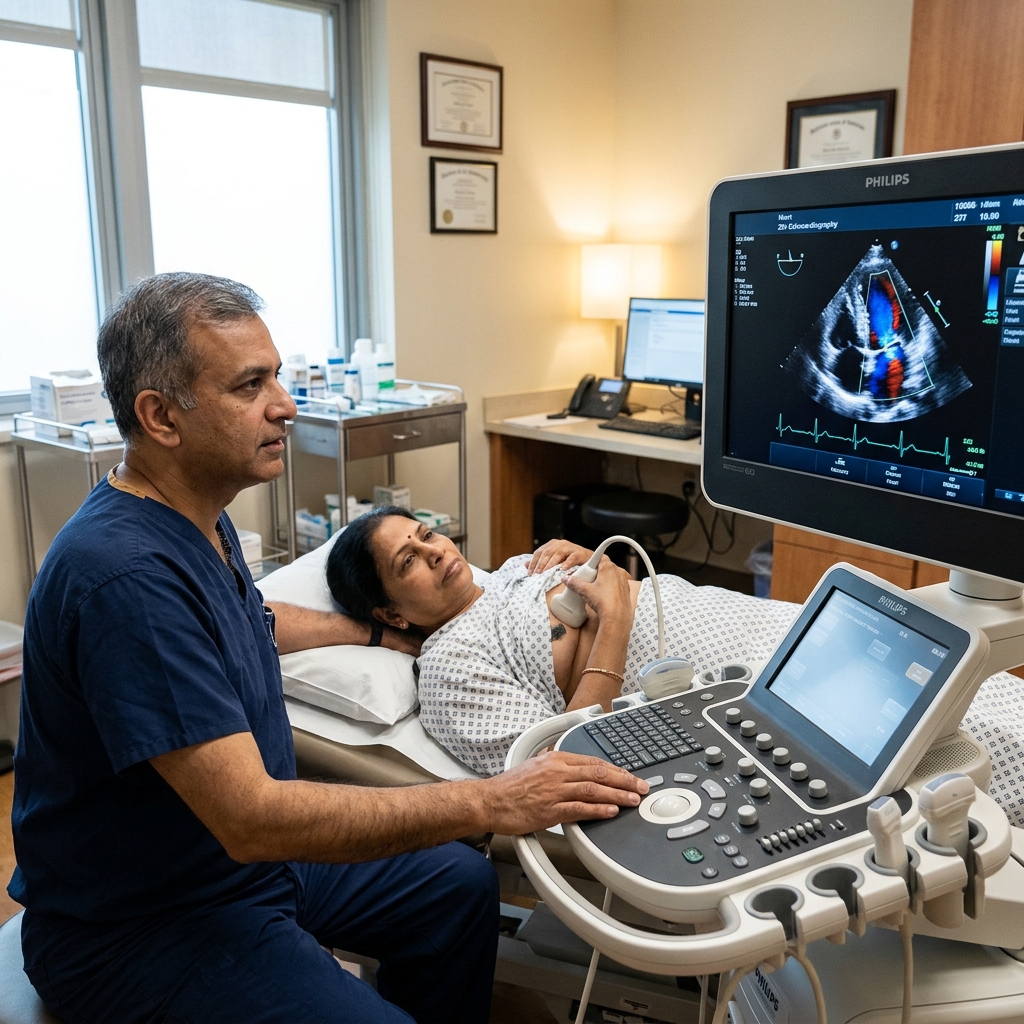
2D Echocardiography
Ultrasound imaging of heart structure and function. Assesses target organ damage from hypertension.
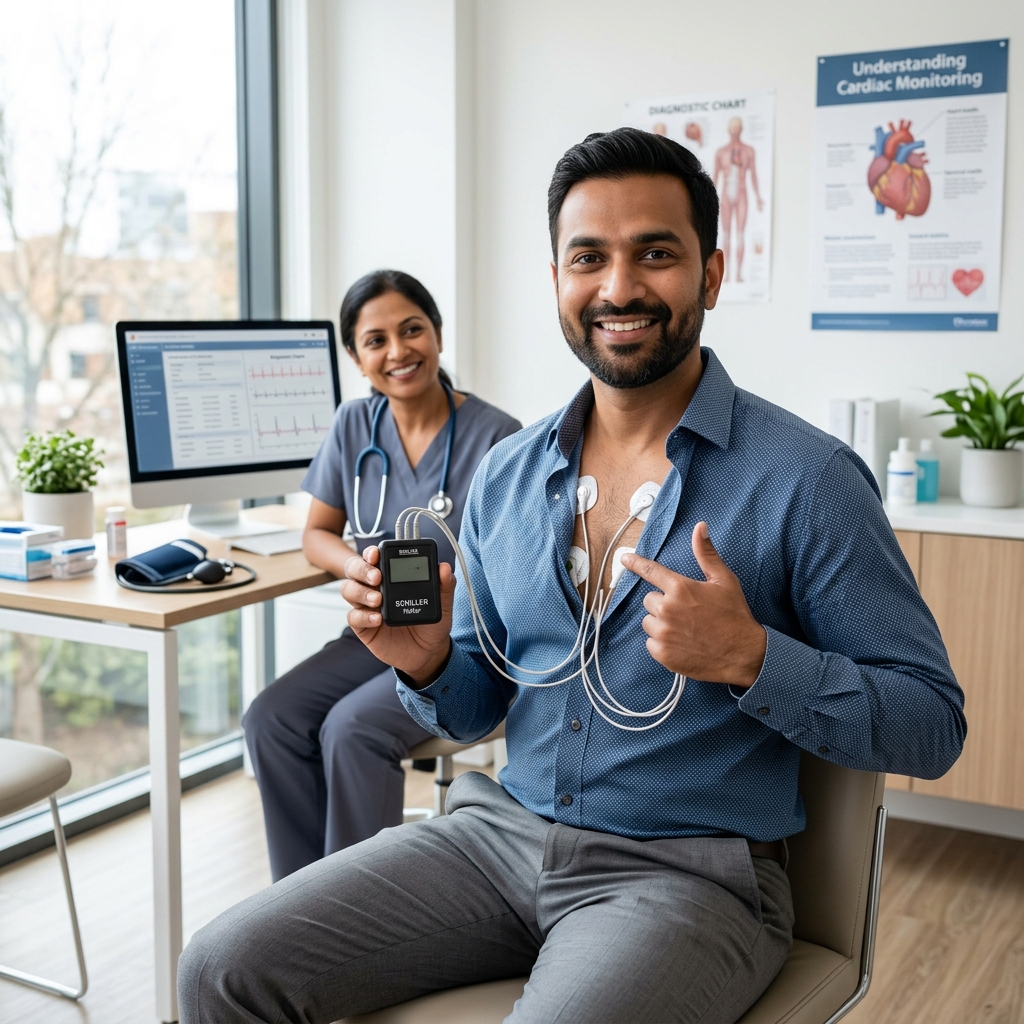
24-Hour Holter Monitoring
Continuous ECG recording over 24–48 hours to detect arrhythmias and correlate with symptoms.
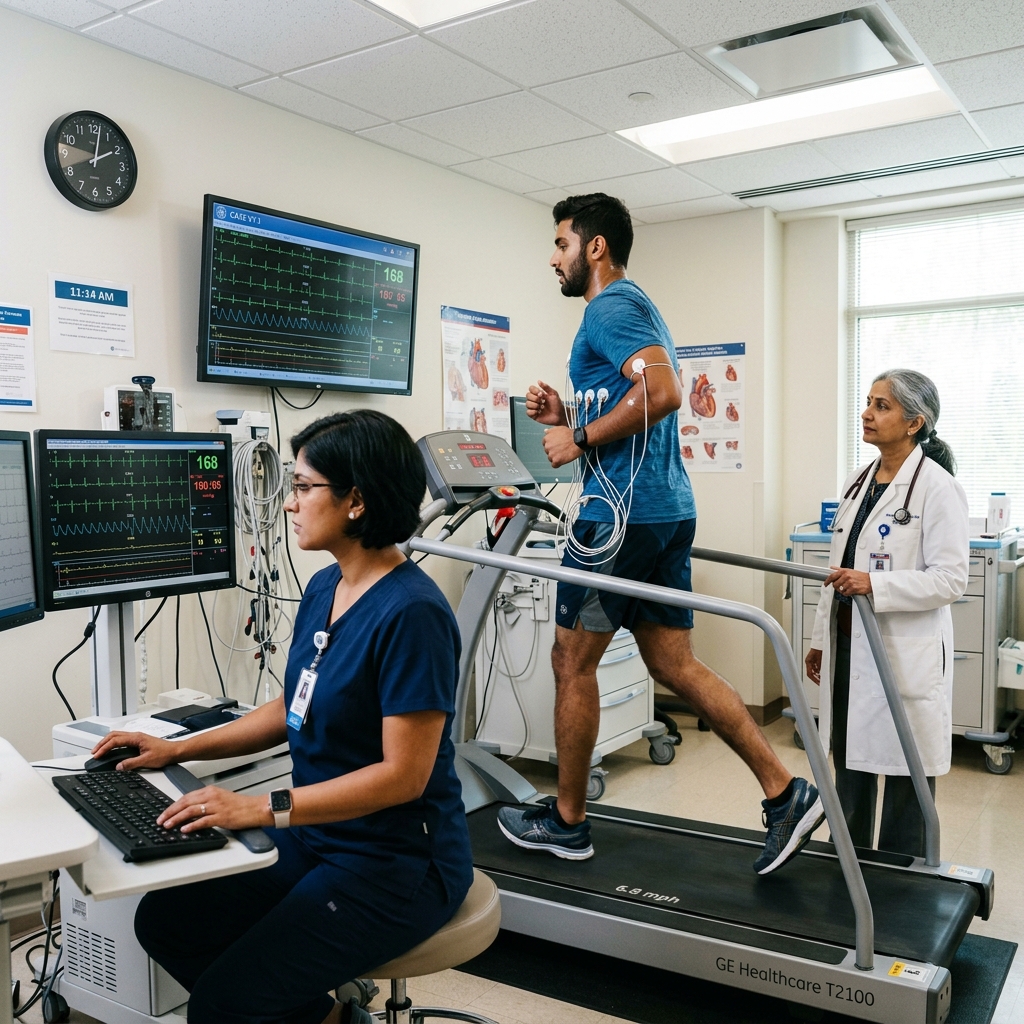
Treadmill Stress Test (TMT)
Graded exercise ECG to detect coronary artery disease and assess functional capacity.
Hypertension
Chronic elevation of blood pressure requiring lifelong management and monitoring.
Ready to Consult Dr. Amit Singh?
Schedule a clinical consultation at Heartwise Cardiology Clinic, Sector 17, Vashi or Kokilaben Hospital, Navi Mumbai.
Heartwise in Vashi. Procedures at Kokilaben.
OPD consultations, diagnostics, and patient care at Heartwise Cardiology Clinic, Vashi. Interventional procedures performed at Kokilaben Hospital, Koperkhairne.
Heartwise Clinic — Vashi
Sector 17, Vashi
Comprehensive cardiac OPD, diagnostics and consultations at the Heartwise Cardiology Clinic in Sector 17, Vashi, Navi Mumbai.
Kokilaben Hospital — Koperkhairne
Koperkhairne, Navi Mumbai
Tertiary interventional cardiac procedures — angiography, angioplasty, TAVR, structural interventions and device implantation.
Palava City — Dombivli
Palava, Dombivli
Outreach consultation clinic serving Dombivli, Kalyan and surrounding Palava City catchment.
Deepisha Medical Centre — Ulwe
Ulwe, Navi Mumbai
Cardiac OPD consultation clinic serving Ulwe, Seawoods, Belapur and the Navi Mumbai International Airport catchment.
Serving All Sectors of Navi Mumbai & MMR
Patients routinely visit our Vashi clinic from across Navi Mumbai and the surrounding Mumbai Metropolitan Region.
“Beat Better. Live Wiser.”
Dr. Amit Singh, FACC
Consultant Interventional Cardiologist
Medical Disclaimer: This article has been written and reviewed by Dr. Amit Singh, FACC, for educational purposes only. It does not constitute personalised medical advice and should not be used as a substitute for a consultation with a qualified cardiologist. Individual clinical decisions must be made by a treating physician based on complete medical history and examination. If you are experiencing chest pain, breathlessness, or other cardiac symptoms, seek emergency medical care immediately.