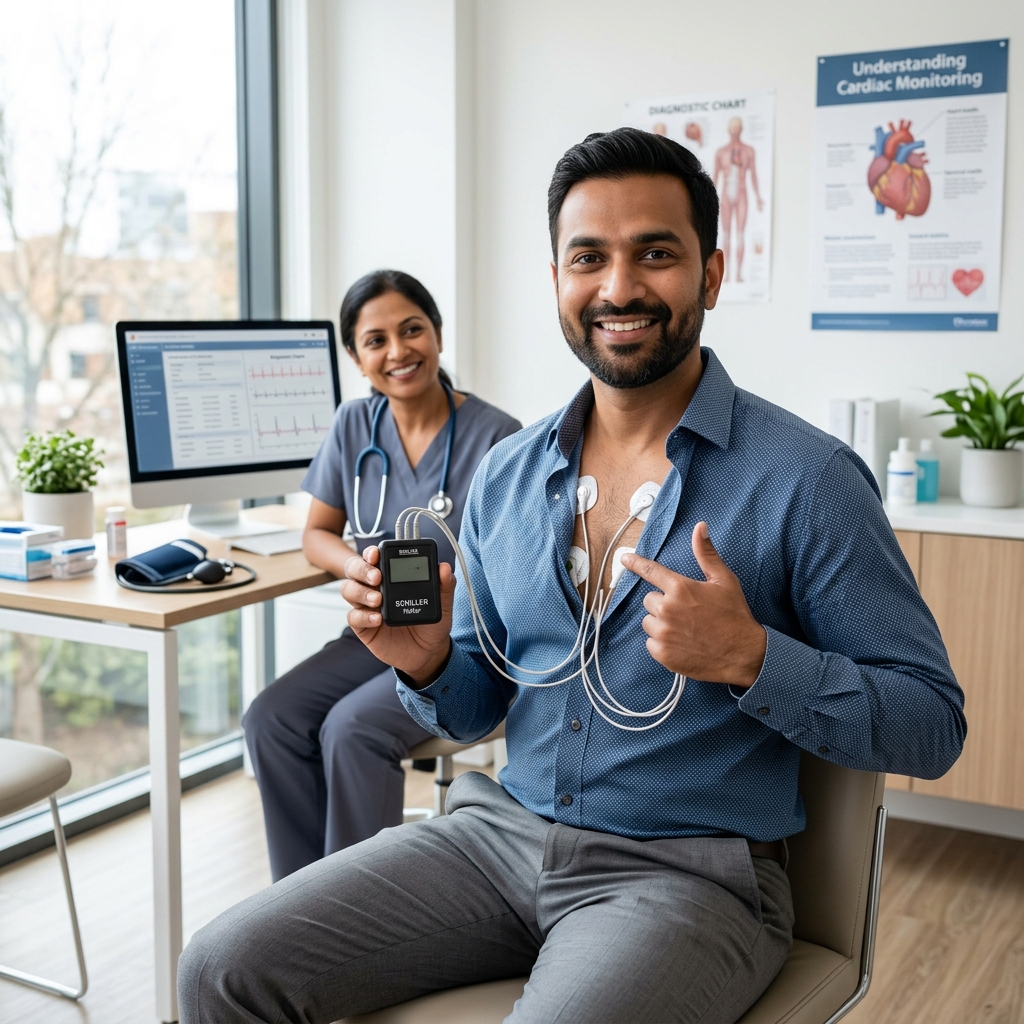
24-Hour Holter Monitoring
A resting ECG captures just 10 seconds of electrical activity. A Holter monitor captures over 100,000 heartbeats across 24 or 48 hours to pinpoint silent arrhythmias, heart blocks, and fainting causes.
Continuous Rhythm Mapping
Standard resting ECGs only record a brief 10-second window. Holter monitoring tracks your cardiac rhythm continuously as you sleep, work, and exercise.
Transient arrhythmias like atrial fibrillation or premature beats are often paroxysmal — meaning they occur randomly and brief clinical visits easily miss them. By tracking up to 100,000 heartbeats over 24 or 48 hours, Holter monitors establish a data-rich clinical picture. The device is small, worn on a belt or shoulder strap, and connected to electrodes on your chest. You continue all normal activities while it records every heartbeat.
Causes of Arrhythmias Detected by Holter
Arrhythmias have diverse causes ranging from electrical abnormalities to structural heart disease.
Coronary Artery Disease
Reduced blood flow to the heart muscle can trigger ventricular arrhythmias. Ischaemia alters the electrical properties of myocardial cells, making them irritable.
Structural Heart Disease
Cardiomyopathy, valvular heart disease, and hypertensive heart disease create substrates for re-entrant circuits and ectopic foci that generate arrhythmias.
Electrical Conduction Abnormalities
Accessory pathways (WPW syndrome), channelopathies (long QT, Brugada), and sinus node dysfunction produce characteristic arrhythmic patterns on Holter.
Autonomic Imbalance
Excess sympathetic or reduced parasympathetic tone can trigger arrhythmias. Stress, anxiety, sleep deprivation, and excessive caffeine or alcohol are common triggers.
Electrolyte Disturbances
Abnormal potassium, magnesium, or calcium levels alter cardiac cell membrane stability, predisposing to both atrial and ventricular arrhythmias.
Medication-Induced
Antiarrhythmics, some antidepressants, decongestants, and recreational drugs can provoke arrhythmias. Holter monitoring helps correlate symptoms with medication timing.
Choosing the Right Monitoring Window
From brief 24-hour recordings to extended patch recorders, monitoring windows are selected to match symptom frequency.
| Monitoring System | Duration | Indication |
|---|---|---|
| Standard Holter | 24-Hour | Frequent daily palpitations, AF monitoring, routine post-intervention review |
| Extended Holter | 48-Hour | Intermittent symptoms occurring every 2–3 days, doubling diagnostic yield |
| ECG Patch Monitor | 7–14 Day | Weekly or less frequent symptoms. Sleek, wire-free patch records continuously |
| Implantable Loop Recorder | Up to 3 Years | Unexplained syncope, cryptogenic stroke. Subcutaneous device with automated detection |
What Holter Monitoring Detects
Holter monitoring captures a wide range of rhythm abnormalities that a resting ECG cannot detect.
Atrial Fibrillation (AF)
Stroke Risk EvaluationParoxysmal AF episodes may last only seconds but carry full stroke risk. Holter captures these asymptomatic, transient events before stroke onset.
Supraventricular Tachycardia (SVT)
Palpitation DiagnosisSudden racing episodes (150–250 bpm) that standard ECG misses due to brief duration. Holter provides symptom-rhythm correlation.
Ventricular Ectopics (PVCs)
Cardiomyopathy RiskPVC burden mapping quantifies percentage of total daily beats. Burden >20% can cause reversible cardiomyopathy requiring ablation.
Bradycardia & Pauses
Syncope WorkupSinus pauses >3 seconds, sick sinus syndrome, and high-degree AV block cause dizziness or blackouts. Holter captures sleep-related pauses.
Holter Care & Diary Guidelines
Maintaining seamless electrode contact and completing your clinical diary are essential for diagnostic accuracy.
Prepare Your Skin
Do not use chest creams or talcum powders on the morning of fitting to ensure strong electrode adhesion. Shower immediately before your appointment.
Wear Appropriate Clothing
Wear a loose-fitting, front-opening shirt or top for easy access to your chest during electrode placement.
Keep a Symptom Diary
Every time you feel palpitations, dizziness, or chest pain, note the exact time and what you were doing. This correlation is crucial for accurate diagnosis.
Continue Normal Activities
Go about your daily routine normally — work, exercise, meals, and sleep. The monitor must capture representative data from all activities.
Avoid Water & Magnetic Fields
Do not submerge the device in water. Avoid magnetic pads, electric blankets, and high-intensity electromagnetic fields including MRI.
Risks of Untreated Arrhythmias
Arrhythmias detected by Holter monitoring that go untreated can have serious consequences.
Stroke from AF
Atrial fibrillation increases stroke risk 5-fold. Each day of undiagnosed AF is a day of preventable stroke risk. Anticoagulation reduces risk by 65%.
Tachycardia-Induced Cardiomyopathy
Persistent or frequent tachyarrhythmias can weaken the heart muscle, reducing EF. This is reversible with rhythm control — whether by medications or ablation.
Complete Heart Block
Intermittent high-degree AV block captured on Holter can progress to complete heart block, causing syncope or cardiac arrest. Pacemaker implantation is life-saving.
Sudden Cardiac Death
Ventricular arrhythmias — VT or VF — are the leading cause of sudden cardiac death. ICD implantation based on Holter findings is definitive prevention.
Treatment Guided by Holter Findings
Holter monitoring results directly inform treatment decisions for arrhythmia management.
Rate or Rhythm Control
AF on Holter guides rate control (beta-blockers, CCBs) or rhythm control (antiarrhythmics, cardioversion) based on symptom burden and patient preference.
Catheter Ablation
Frequent PVCs, SVT, or AF captured on Holter with high burden or symptoms may be treated with catheter ablation — a curative procedure.
Pacemaker Implantation
Symptomatic bradycardia, pauses >3 seconds, or high-degree AV block on Holter are indications for permanent pacemaker implantation.
Anticoagulation for AF
Even brief AF episodes on Holter warrant stroke risk assessment. CHA₂DS₂-VASc score determines need for oral anticoagulation regardless of symptom status.
Arrhythmia Medications
Antiarrhythmic medications are selected based on the specific arrhythmia type, burden, and underlying heart disease.
| Arrhythmia Type | Medication Options | Key Considerations |
|---|---|---|
| Atrial Fibrillation | Beta-blockers, CCBs, Flecainide, Amiodarone | Rate control first-line in elderly. Rhythm control in symptomatic or young patients. Anticoagulation irrespective of rhythm strategy. |
| Ventricular Ectopics (PVCs) | Beta-blockers, CCBs, Flecainide (in normal heart) | Treatment if burden >10–20% or symptomatic. Avoid flecainide in structural heart disease due to proarrhythmia risk. |
| SVT / AVNRT | Adenosine (acute), Beta-blockers, CCBs, Flecainide | Catheter ablation is curative in >95% and is preferred over long-term medication for symptomatic SVT. |
| Bradycardia | No effective medications for chronic bradycardia | Pacemaker is the definitive treatment. Avoid AV nodal blocking drugs if advanced conduction disease. |
| Long QT Syndrome | Nadolol, Propranolol (beta-blockers) | First-line therapy. Mexiletine for LQT3. Avoid QT-prolonging drugs. Consider ICD in high-risk patients. |
Lifestyle for Arrhythmia Management
Lifestyle modification can significantly reduce arrhythmia burden and improve symptoms.
Avoid Triggers
Identify and avoid personal arrhythmia triggers — excessive caffeine, alcohol, energy drinks, sleep deprivation, and stress are common precipitants.
Moderate Exercise
Regular moderate exercise improves cardiovascular fitness and may reduce arrhythmia burden. However, extreme endurance exercise can increase AF risk in some individuals.
Sleep Quality
Poor sleep and sleep apnoea are strongly associated with AF and other arrhythmias. Treating sleep apnoea reduces AF recurrence and improves symptom control.
Stress Reduction
Yoga, mindfulness, and meditation have been shown to reduce PVC burden and AF episodes by modulating autonomic tone and reducing sympathetic drive.
Holter Monitoring Guideline Standards
International guidelines define appropriate use criteria for ambulatory ECG monitoring.
| Guideline | Recommendation | Clinical Impact |
|---|---|---|
| ESC 2023 AF Guidelines | Holter monitoring for symptom-rhythm correlation in patients with suspected AF. Screening in patients >65 with hypertension or diabetes | Detects asymptomatic AF enabling early anticoagulation for stroke prevention |
| ESC 2022 Syncope Guidelines | Holter or ILR recommended for unexplained syncope. ILR preferred if syncope is infrequent (<1 episode per month) | Diagnostic yield of ILR is 4–5 times higher than conventional monitoring for syncope |
| AHA/ACC/HRS 2018 | Ambulatory ECG for evaluation of palpitations, syncope, and assessment of AF burden and rate control | 30-day event monitoring or Holter based on symptom frequency. Extended monitoring for infrequent symptoms |
| HRS 2015 Expert Consensus | PVC burden quantification by Holter. Burden >20% warrants evaluation for PVC-induced cardiomyopathy | Early detection of high-burden PVCs enables timely intervention before EF declines |
When to See a Cardiologist
Certain Holter findings or symptoms require prompt cardiology evaluation.
Frequent or Severe Palpitations
Daily palpitations, especially those associated with dizziness or chest pain, warrant Holter monitoring and cardiology evaluation to exclude significant arrhythmias.
Unexplained Fainting (Syncope)
Blackouts or near-fainting episodes require urgent cardiology assessment. Holter or ILR is essential to capture the underlying rhythm during these events.
AF Detected on Screening
Even asymptomatic AF identified on Holter requires cardiology review for stroke risk assessment and anticoagulation decision-making.
Symptoms with Normal ECG
If you experience palpitations, dizziness, or chest pain but your resting ECG is normal, Holter monitoring is indicated to capture intermittent arrhythmias.
Frequently Asked Questions
Expert clinical details regarding 24-hour ambulatory ECG telemetry.
01What is a 24-hour Holter monitor?
A 24-hour Holter monitor is a portable ECG recorder worn on your body that continuously records every heartbeat for 24 hours (or 48 hours if required). Unlike a standard ECG that captures 10–15 seconds, the Holter records over 100,000 heartbeats — throughout your normal daily activities, exercise, meals, and sleep. The complete recording is then analysed to detect arrhythmias, pauses, and rhythm abnormalities that are completely invisible on a brief resting ECG.
02What does a Holter monitor detect?
A Holter detects: atrial fibrillation (AF) — including brief, silent episodes; supraventricular tachycardia (SVT); ventricular tachycardia (VT); frequent ventricular or atrial ectopics (PVCs, PACs) with burden quantification; sinus pauses and sick sinus syndrome; high-degree AV block; nocturnal bradycardia; and chronotropic incompetence (failure of heart rate to rise with activity). The report also correlates any diary-recorded symptoms with the ECG at those exact time points.
03What preparation is needed for a Holter monitor?
Do not apply lotion, cream, or powder to your chest on the day of fitting — electrodes need clean, dry skin. Wear a loose button-front shirt. Have a shower before arriving — you cannot submerge the device in water during the recording. Continue all medications normally. Bring a pen for the symptom diary — every time you feel palpitations, dizziness, or chest pain during the recording, note the exact time and what you were doing.
04What if my Holter is normal but I still have palpitations?
A normal 24-hour Holter means no arrhythmia was captured during those 24 hours — not that your palpitations have no arrhythmic cause. If palpitations are infrequent, the 24-hour recording may simply miss the event. Options include: 48-hour Holter for slightly more coverage; 7–14 day patch monitor for weekly or less frequent symptoms; or an implantable loop recorder (ILR) for very rare, unexplained syncope or cryptogenic stroke. The CRYSTAL AF trial (NEJM 2014) showed ILR detected AF in 30% of cryptogenic stroke patients at 3 years versus 9% with conventional monitoring.
05Can I exercise while wearing a Holter monitor?
Yes, you can and should exercise normally while wearing the Holter monitor. In fact, recording your ECG during exercise is valuable because some arrhythmias are triggered or worsened by exertion. However, avoid activities that cause excessive sweating that might loosen the electrodes, and do not submerge the device in water. Heavy resistance training and contact sports should be avoided. Light-to-moderate aerobic exercise such as walking, jogging, or cycling is encouraged.
06What is the difference between a Holter and an event monitor?
A Holter monitor records every heartbeat continuously for 24–48 hours. An event monitor (also called a cardiac event recorder) records only when you activate it during symptoms, or can be worn for weeks to months and automatically captures arrhythmias when they occur. Holter is better for frequent daily symptoms. Event monitors are better for weekly or monthly symptoms. An implantable loop recorder (ILR) is a type of event monitor placed under the skin for very infrequent symptoms lasting up to 3 years.
07How is the Holter data analysed and when do I get results?
After you return the Holter recorder, the data is downloaded to a computer and analysed using specialised arrhythmia detection software. A cardiologist then reviews the full recording, confirming each arrhythmia episode and correlating it with your symptom diary. The complete analysis typically takes 24–48 hours. At Heartwise Cardiology, you receive your report with the cardiologist's interpretation within 2–3 business days. Urgent findings — such as high-grade AV block or runs of VT — are communicated immediately.
08Will the Holter monitor affect my sleep?
Most patients tolerate the Holter monitor well during sleep. The electrodes and wires are designed to be minimally intrusive. You can sleep in your normal position, though sleeping on your stomach may feel different with the device. It is important to keep the leads in place — if an electrode loosens, do not try to reattach it yourself. Simply tape it down and note the time in your diary. The overnight recording is clinically valuable as it captures nocturnal bradycardia, sleep apnoea-related rhythm changes, and early morning arrhythmia patterns.
“Advanced cardiovascular care. Restoring life, rhythm, and vitality.”

Dr. Amit Singh, FACC
Consultant Interventional Cardiologist
Related Tests & Conditions
Holter monitoring is often performed alongside other cardiac investigations for comprehensive evaluation.
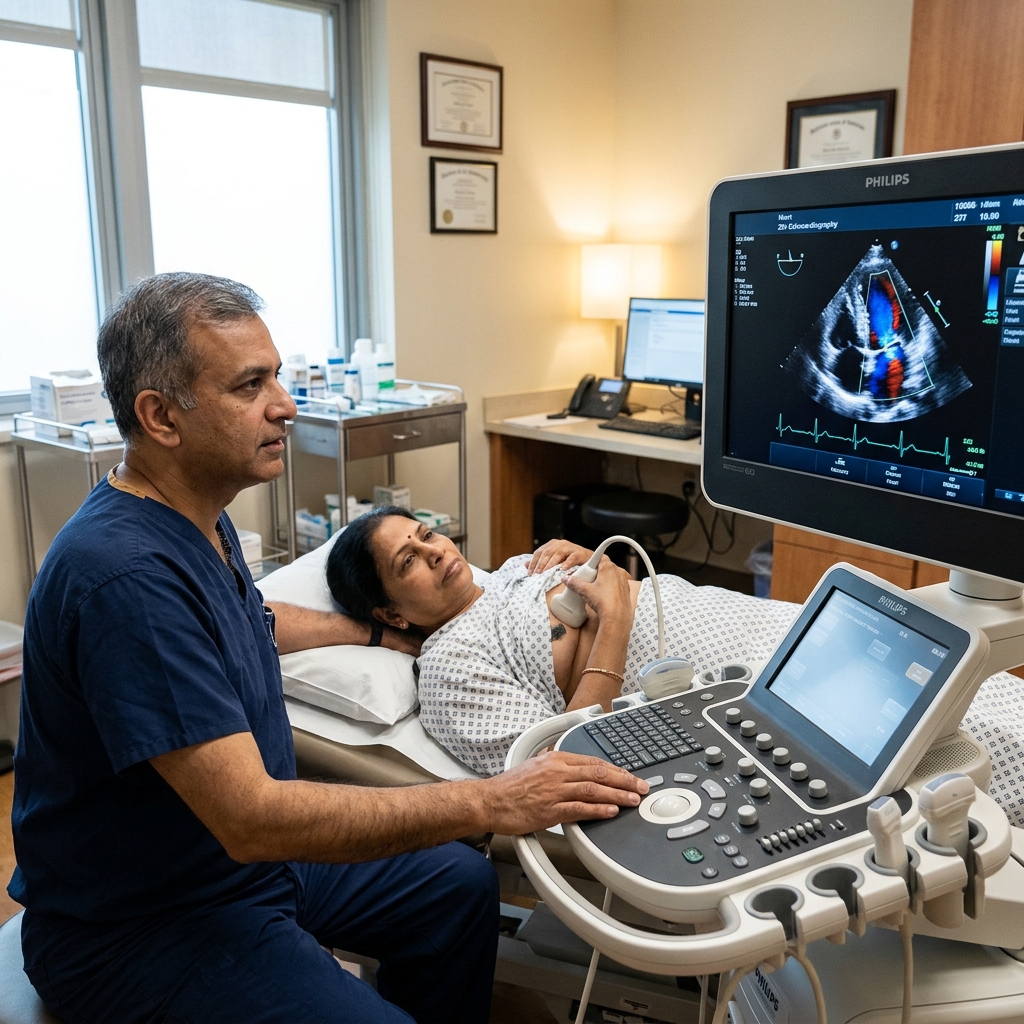
2D Echocardiography
Ultrasound imaging of heart structure, valves, and function. Assesses structural substrates for arrhythmias.
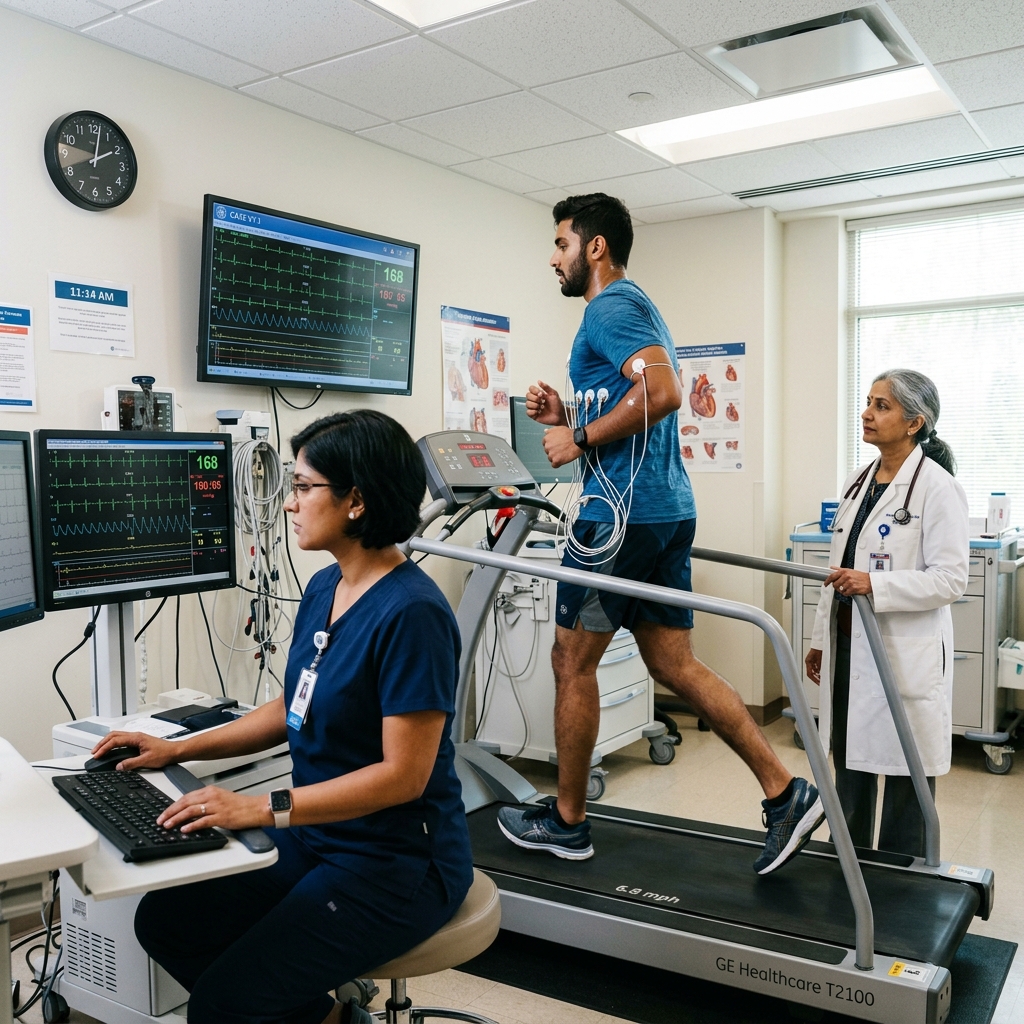
Treadmill Stress Test (TMT)
Exercise ECG to assess exercise-induced arrhythmias and detect coronary ischaemia as a trigger.
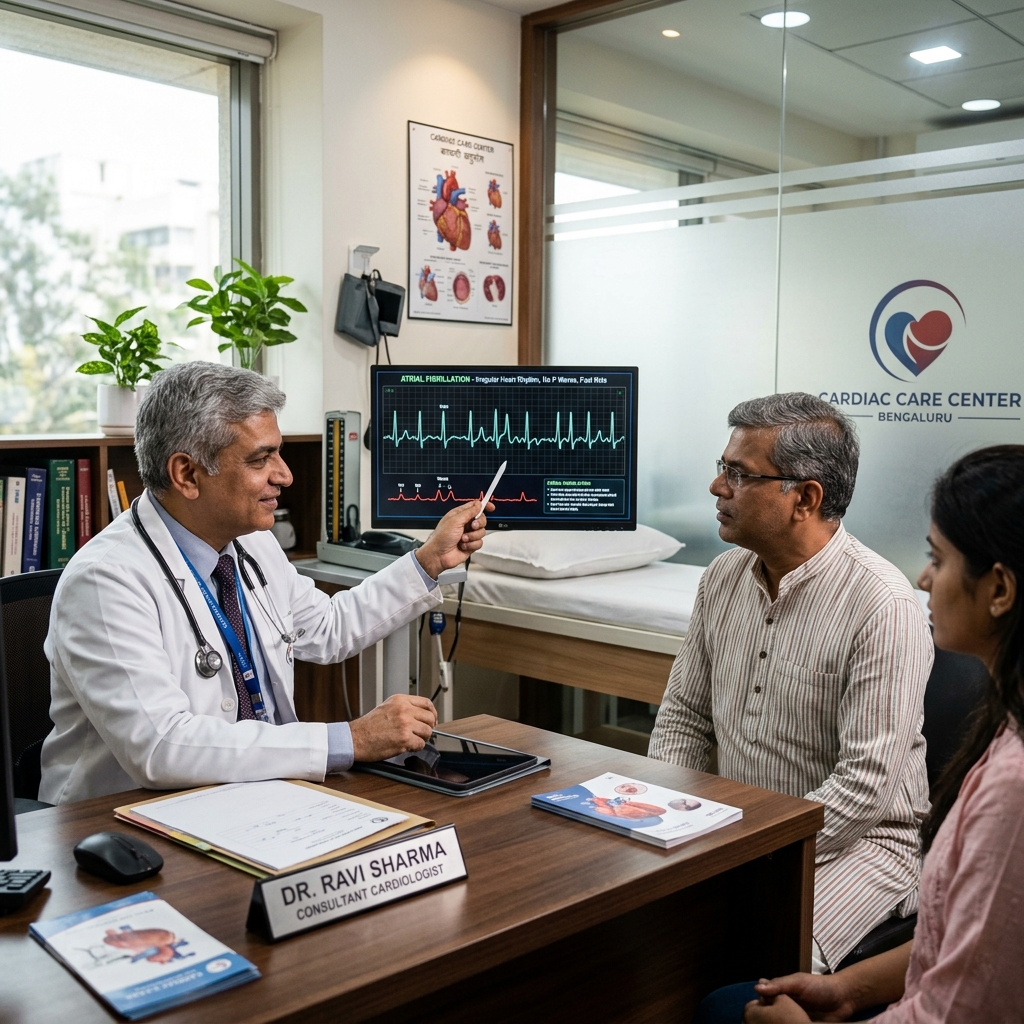
Atrial Fibrillation
The most common sustained arrhythmia. Holter is essential for detecting paroxysmal AF and guiding therapy.

Cardiac Risk Assessment
Comprehensive 10-year cardiovascular risk profiling. Identifies risk factors that may trigger or worsen arrhythmias.
Ready to Consult Dr. Amit Singh?
Schedule a clinical consultation at Heartwise Cardiology Clinic, Sector 17, Vashi or Kokilaben Hospital, Navi Mumbai.
Heartwise in Vashi. Procedures at Kokilaben.
OPD consultations, diagnostics, and patient care at Heartwise Cardiology Clinic, Vashi. Interventional procedures performed at Kokilaben Hospital, Koperkhairne.
Heartwise Clinic — Vashi
Sector 17, Vashi
Comprehensive cardiac OPD, diagnostics and consultations at the Heartwise Cardiology Clinic in Sector 17, Vashi, Navi Mumbai.
Kokilaben Hospital — Koperkhairne
Koperkhairne, Navi Mumbai
Tertiary interventional cardiac procedures — angiography, angioplasty, TAVR, structural interventions and device implantation.
Palava City — Dombivli
Palava, Dombivli
Outreach consultation clinic serving Dombivli, Kalyan and surrounding Palava City catchment.
Deepisha Medical Centre — Ulwe
Ulwe, Navi Mumbai
Cardiac OPD consultation clinic serving Ulwe, Seawoods, Belapur and the Navi Mumbai International Airport catchment.
Serving All Sectors of Navi Mumbai & MMR
Patients routinely visit our Vashi clinic from across Navi Mumbai and the surrounding Mumbai Metropolitan Region.
“Beat Better. Live Wiser.”
Dr. Amit Singh, FACC
Consultant Interventional Cardiologist
Medical Disclaimer: This article has been written and reviewed by Dr. Amit Singh, FACC, for educational purposes only. It does not constitute personalised medical advice and should not be used as a substitute for a consultation with a qualified cardiologist. Individual clinical decisions must be made by a treating physician based on complete medical history and examination. If you are experiencing chest pain, breathlessness, or other cardiac symptoms, seek emergency medical care immediately.