Stroke & Heart Health
Stroke is often the first sign of an underlying heart problem, especially atrial fibrillation, carotid disease, or a structural heart defect.
Why Stroke Is a Heart Disease Warning Sign
A stroke can be the first presentation of silent AF, carotid plaque, or structural heart disease.
Many patients with atrial fibrillation or carotid disease are unaware they have a heart condition until they suffer a transient ischaemic attack or a stroke. Cardioembolic stroke, carotid embolism, and AF-related clotting are all linked to preventable heart disease and can be managed with early risk detection and treatment.
The Heart Conditions Behind Stroke
The most common heart-linked causes of stroke are AF, carotid disease, and PFO or ASD-related embolic risk.
Atrial Fibrillation
The left atrial appendage can form clots that travel to the brain, especially in untreated AF.
Carotid Artery Disease
Plaque in the carotid arteries can break off and cause a brain embolus or transient ischaemic attack.
PFO / ASD
A right-to-left shunt can allow paradoxical embolism from the venous circulation into the arterial circulation.
Stroke Symptoms Need Immediate Action
Sudden neurological symptoms are a medical emergency.
Facial Weakness
One side of the face may droop or become numb.
Arm or Leg Weakness
Weakness or numbness can occur suddenly, usually on one side of the body.
Speech Difficulty
Slurred speech, confusion, or inability to understand language needs urgent evaluation.
How Stroke Risk Is Assessed
The diagnosis includes ECG, echo, blood pressure, carotid assessment, and sometimes neurologic imaging.
12-lead ECG
Detects AF, flutter, ischaemia, and conduction abnormalities that may explain stroke risk.
Echocardiography
Looks for LV function, valve disease, ASD, PFO, and structural abnormalities harbouring clot formation.
Carotid Assessment
Duplex ultrasound evaluates plaque burden and flow-limiting stenosis.
Why Prevention Matters
Many strokes are preventable when AF and vascular disease are treated before they lead to brain injury.
Permanent Neurological Disability
A large stroke can leave long-term weakness, aphasia, or cognitive impairment.
Cardioembolic Stroke
The brain injury often comes from clots formed in the left atrium or atrial appendage.
How Stroke Risk Is Lowered
Prevention is driven by anticoagulation, blood pressure control, and disease-specific procedures.
Anticoagulation
For patients with AF and stroke risk factors, oral anticoagulation is often the main preventive therapy.
Blood Pressure Control
Tight BP management reduces both ischaemic and haemorrhagic stroke risk.
Device or Defect Closure
PFO, ASD, or severe carotid disease may require specific intervention after evaluation.
Frequently Asked Questions
Key questions about how heart disease and stroke are connected.
01Can atrial fibrillation cause a stroke without symptoms?
Yes. Many patients with AF have no obvious symptoms and the first presentation may be a stroke or transient ischaemic attack.
02What should I do if I have sudden weakness or speech change?
This is a medical emergency. Seek emergency care immediately and do not wait for symptoms to pass. Time-sensitive stroke treatment has a major impact on long-term disability.
“Advanced cardiovascular care. Restoring life, rhythm, and vitality.”
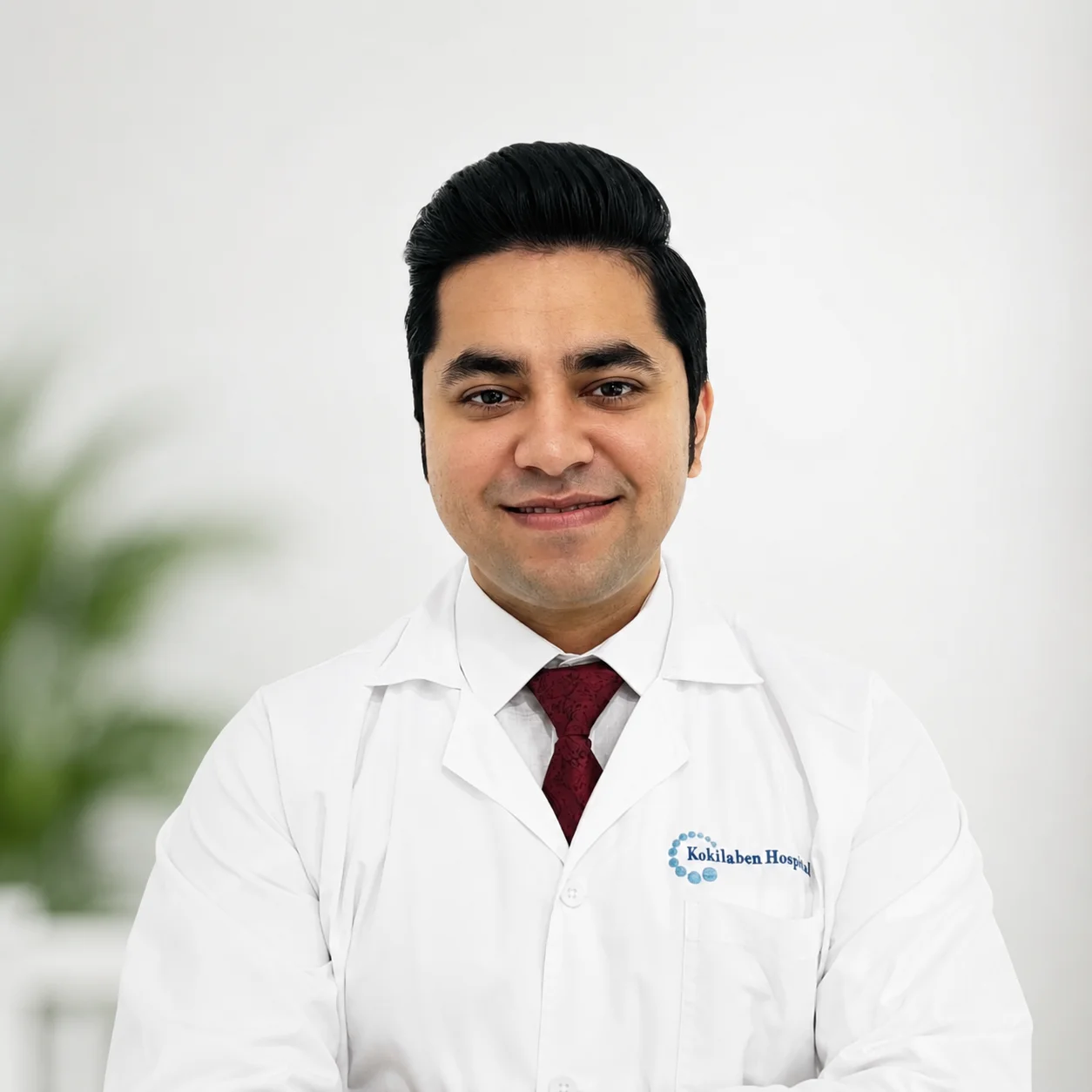
Dr. Amit Singh, FACC
Consultant Interventional Cardiologist
Ready to Consult Dr. Amit Singh?
Schedule a clinical consultation at Heartwise Cardiology Clinic, Sector 17, Vashi or Kokilaben Hospital, Navi Mumbai.
Heartwise in Vashi. Procedures at Kokilaben.
OPD consultations, diagnostics, and patient care at Heartwise Cardiology Clinic, Vashi. Interventional procedures performed at Kokilaben Hospital, Koperkhairne.
Heartwise Clinic — Vashi
Sector 17, Vashi
Comprehensive cardiac OPD, diagnostics and consultations at the Heartwise Cardiology Clinic in Sector 17, Vashi, Navi Mumbai.
Kokilaben Hospital — Koperkhairne
Koperkhairne, Navi Mumbai
Tertiary interventional cardiac procedures — angiography, angioplasty, TAVR, structural interventions and device implantation.
Palava City — Dombivli
Palava, Dombivli
Outreach consultation clinic serving Dombivli, Kalyan and surrounding Palava City catchment.
Deepisha Medical Centre — Ulwe
Ulwe, Navi Mumbai
Cardiac OPD consultation clinic serving Ulwe, Seawoods, Belapur and the Navi Mumbai International Airport catchment.
Serving All Sectors of Navi Mumbai & MMR
Patients routinely visit our Vashi clinic from across Navi Mumbai and the surrounding Mumbai Metropolitan Region.
“Beat Better. Live Wiser.”
Dr. Amit Singh, FACC
Consultant Interventional Cardiologist
Medical Disclaimer: This article has been written and reviewed by Dr. Amit Singh, FACC, for educational purposes only. It does not constitute personalised medical advice and should not be used as a substitute for a consultation with a qualified cardiologist. Individual clinical decisions must be made by a treating physician based on complete medical history and examination. If you are experiencing chest pain, breathlessness, or other cardiac symptoms, seek emergency medical care immediately.