
Preventive Cardiology.
Comprehensive cardiac risk assessment and evidence-based prevention strategies to identify, manage, and reverse cardiovascular risk factors before they become disease. Personalised prevention plans based on SCORE2, lipid profiling, and lifestyle medicine.
Cardiovascular Disease in India
The burden of preventable heart disease in India is among the highest in the world.
Of all deaths in India caused by CVD — the leading killer
Indian adults has hypertension — most undetected and untreated
Of cardiac events are preventable with risk factor control
Of heart attacks occur in people under 40 in India
Preventing Heart Disease Before It Starts
Preventive cardiology focuses on identifying and managing cardiovascular risk factors — hypertension, diabetes, dyslipidaemia, smoking, obesity, and family history — to prevent heart attacks, strokes, and heart failure before they occur.
Preventive cardiology is the branch of cardiovascular medicine dedicated to identifying, quantifying, and modifying risk factors for heart disease before clinical events occur. Unlike reactive cardiology which treats established disease, preventive cardiology uses risk stratification tools (SCORE2, the ASCVD risk calculation, QRISK3, and the Reynolds Risk Score), advanced lipid profiling, inflammatory markers (hs-CRP, Lp(a)), and lifestyle assessment to build a personalised prevention roadmap. SCORE2 and the ASCVD risk calculation are used in tandem rather than interchangeably — together they cross-validate a patient's risk category so that no significant risk signal is missed by any single model. India's disproportionately high rate of cardiovascular disease is closely linked to the rising prevalence of modifiable risk factors — hypertension, dyslipidaemia, and diabetes — across younger age groups, making early preventive assessment particularly urgent. At Heartwise Cardiology, every preventive consultation includes a comprehensive risk assessment, targeted diagnostic testing where indicated, and a structured, actionable prevention plan reviewed by Dr. Amit Singh, FACC.
What Preventive Cardiology Includes
Every preventive cardiology consultation at Heartwise begins with a comprehensive cardiovascular risk assessment and is structured around six core pillars.
Cardiac Risk Assessment (SCORE2 + ASCVD Calculation)
SCORE2 and the ASCVD risk calculation are applied together as complementary scoring tools — both estimate 10-year and lifetime cardiovascular risk from age, gender, BP, cholesterol, smoking, and diabetes status, and using both ensures no significant risk dimension is missed. The resulting risk category directly determines how aggressively your LDL, blood pressure, and lifestyle targets are set.
Advanced Lipid & Inflammatory Profiling
Dyslipidaemia — an imbalance in LDL, HDL, or triglyceride levels — is one of the most common reasons patients are referred for preventive cardiology. Advanced profiling goes beyond a routine lipid panel: ApoB, Lp(a), and LDL particle number characterise dyslipidaemia precisely, while inflammatory markers such as hs-CRP reveal atherogenic risk that lipid numbers alone can miss — a patient with borderline LDL but elevated hs-CRP carries meaningfully higher risk than lipid numbers alone would suggest.
Hypertension & Diabetes Optimisation
Personalised BP and glucose targets based on age, comorbidity, and risk status. Includes ambulatory BP monitoring (ABPM) and HbA1c trending.
Lifestyle Medicine & Nutrition Counselling
Evidence-based dietary planning (Mediterranean-style, DASH), structured exercise prescriptions, sleep optimisation, and stress management protocols. These are not generic advice: structured dietary change, aerobic exercise, and stress management can reduce systolic blood pressure by 5–10 mmHg in patients with hypertension, often delaying or reducing the need for medication.
ECG, Echo & Screening Protocols
Baseline ECG and 2D echocardiography to document cardiac structure and function. Screening intervals recommended based on risk category.
Family History & Genetic Risk Mapping
Familial hypercholesterolaemia — a genetic subtype of dyslipidaemia causing severely elevated LDL from birth — is frequently underdiagnosed and significantly raises lifetime cardiovascular risk from a young age, independent of diet or exercise. Identifying it in one patient often prompts cascade testing across first-degree relatives. Targeted screening is also offered for relatives of patients with premature coronary artery disease or cardiomyopathy.
Who Needs Preventive Cardiology?
Preventive cardiology is appropriate for anyone who wants to understand and reduce their risk of heart disease — especially those with risk factors or family history.
Age >40 years (men) / >50 years (women)
Screening recommended every 1-5 years depending on risk profile
Family history of premature heart disease
First-degree relative with CAD before age 55 (men) or 65 (women)
Diabetes, hypertension, or dyslipidaemia
Even well-controlled, these conditions elevate cardiovascular risk
Sedentary lifestyle / high-stress occupation
Prolonged sitting and chronic stress are independent risk factors
Smokers / former smokers
Smoking cessation is the single most effective preventive intervention
Pre-operative evaluation planning
Identify occult risk before scheduled non-cardiac surgery
Post-cardiac event secondary prevention
Prevent recurrence after heart attack, angioplasty, or bypass
The Preventive Cardiology Process
A structured, evidence-based approach to understanding and reducing your cardiovascular risk.
Comprehensive Risk Assessment
Detailed clinical history, BP measurement, lipid panel, glucose/HbA1c, and SCORE2/QRISK3 risk calculation. Review of family history and lifestyle factors.
Targeted Diagnostic Testing
Baseline ECG, 2D echocardiography, and advanced biomarkers (Lp(a), hs-CRP, ApoB) as indicated. ABPM if hypertension suspected.
Personalised Prevention Plan
A structured, written prevention roadmap with specific, quantified targets — not generic advice. For a high-risk patient, this might mean an LDL goal below 1.4 mmol/L to address dyslipidaemia and a blood pressure target under 130/80 mmHg to manage hypertension, with a clear timeline for reassessment. Medication initiation or optimisation as needed.
Monitoring & Follow-Up
Risk reassessment at 3-6 months to audit target achievement. Annual comprehensive review with updated risk scoring. Long-term partnership for sustained cardiovascular health.
Preventive Cardiology FAQ
Common questions about cardiac risk assessment and prevention at Heartwise Cardiology.
Common questions about cardiac risk assessment and prevention at Heartwise Cardiology.
01What tests are included in a preventive cardiac screening?
A standard preventive cardiology consultation at Heartwise includes a detailed clinical history and risk factor assessment, blood pressure measurement, resting ECG, and blood tests (lipid profile, fasting glucose or HbA1c, and inflammatory markers as indicated). Based on your risk profile, additional tests such as 2D echocardiography, ambulatory BP monitoring (ABPM), or advanced lipid profiling (ApoB, Lp(a)) may be recommended. Dr. Amit Singh reviews every result personally and provides a written risk assessment and prevention plan during the same visit.
02How often should I have a cardiac risk assessment?
The frequency depends on your risk category. Low-risk individuals (SCORE2 <5%) should have risk assessment every 5 years. Moderate-risk individuals (SCORE2 5-10%) every 1-3 years. High-risk individuals (SCORE2 >10%, or diabetes, or established CVD) should have annual or more frequent assessment. If your risk factors change — new diagnosis of diabetes, significant weight gain, or family history of early heart disease — re-assessment is indicated sooner regardless of the previous interval.
03Is preventive cardiology covered by insurance?
Most health insurance policies in India cover preventive health check-ups, including cardiac risk assessment, up to specified annual limits. The specific tests covered vary by insurer and policy. Corporate health programmes and employer-sponsored annual check-ups typically include cardiac screening components. We recommend checking with your insurance provider about coverage for preventive cardiology consultation and diagnostic tests. Our team can assist with any documentation required for reimbursement.
04Can I prevent heart disease if it runs in my family?
Yes — a strong family history of premature heart disease increases your risk, but it does not make heart disease inevitable. Preventive cardiology focuses on identifying and aggressively managing modifiable risk factors (BP, cholesterol, smoking, diabetes, weight, physical activity) that interact with genetic predisposition. With targeted lifestyle modifications, appropriate medications (statins, antihypertensives), and regular monitoring, you can significantly reduce your risk — often to levels below those of individuals without family history who have poor lifestyle habits.
05What is dyslipidaemia and how is it treated in preventive cardiology?
Dyslipidaemia is an imbalance in blood lipid levels — elevated LDL cholesterol, low HDL cholesterol, elevated triglycerides, or a combination — and it is one of the most common reasons patients are referred to preventive cardiology. It is assessed through advanced lipid profiling (ApoB, Lp(a), LDL particle number) and is a primary target of your personalised prevention plan, with specific LDL goals set according to your overall risk category. Treatment combines lifestyle medicine with statin or other lipid-lowering therapy where indicated.
06What is familial hypercholesterolaemia and should my family be tested?
Familial hypercholesterolaemia (FH) is a genetic condition that causes severely elevated LDL cholesterol from birth — a hereditary subtype of dyslipidaemia, not a lifestyle-driven one. It is frequently underdiagnosed and significantly raises lifetime cardiovascular risk from a young age, regardless of diet or exercise. If FH is identified in one family member, cascade testing of first-degree relatives is recommended, since each child of an affected parent has a 50% chance of inheriting the condition.
“Precision in cardiac diagnostics. Empathy in clinical care.”

Dr. Amit Singh, FACC
Consultant Interventional Cardiologist
Related Tests & Conditions
Preventive cardiology is supported by a range of diagnostic tests for comprehensive risk assessment.
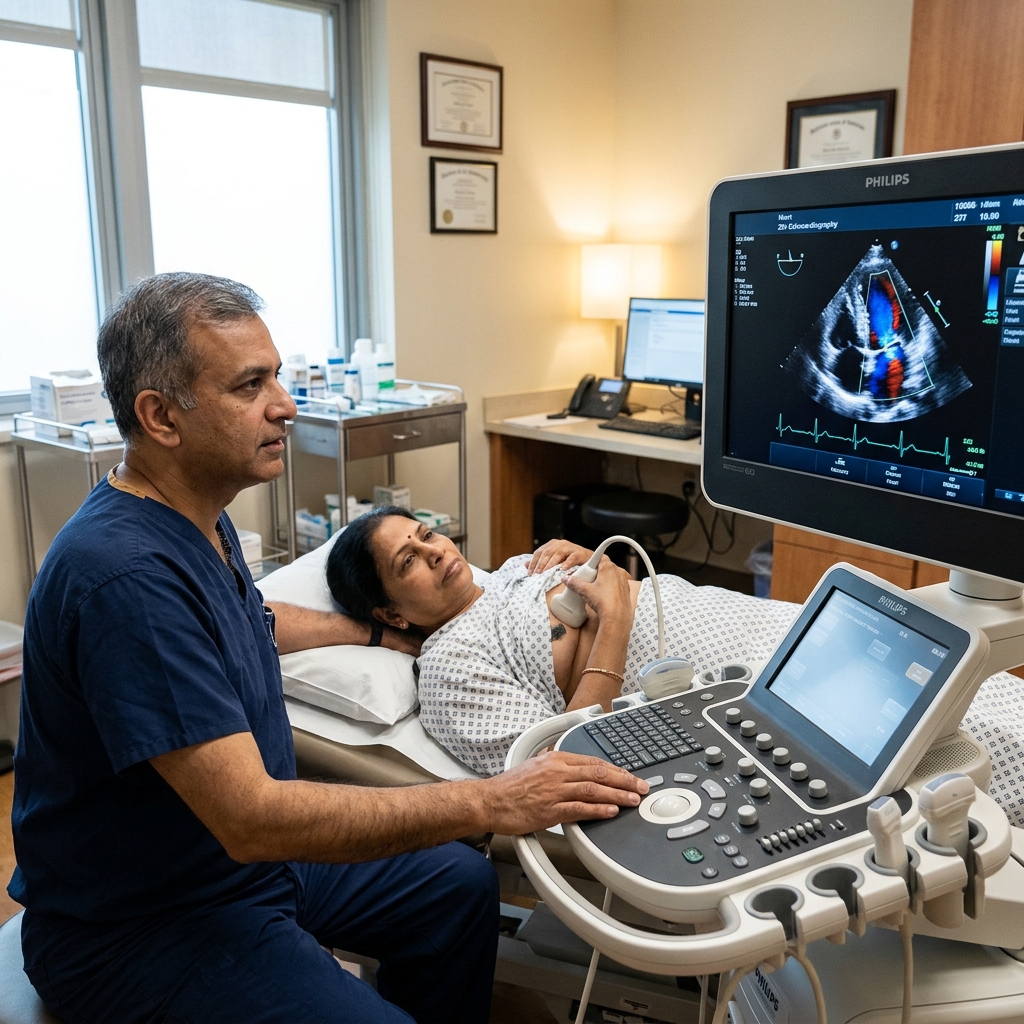
2D Echocardiography
Ultrasound imaging of heart structure, valves, and pumping function. Complements risk assessment by identifying structural abnormalities.

Treadmill Stress Test (TMT)
Exercise ECG to detect coronary ischaemia during physical stress. Useful when silent CAD is suspected despite normal resting ECG.

24-Hour Holter Monitoring
Continuous ambulatory ECG to capture intermittent arrhythmias and ischaemic episodes that may go undetected during clinic visits.
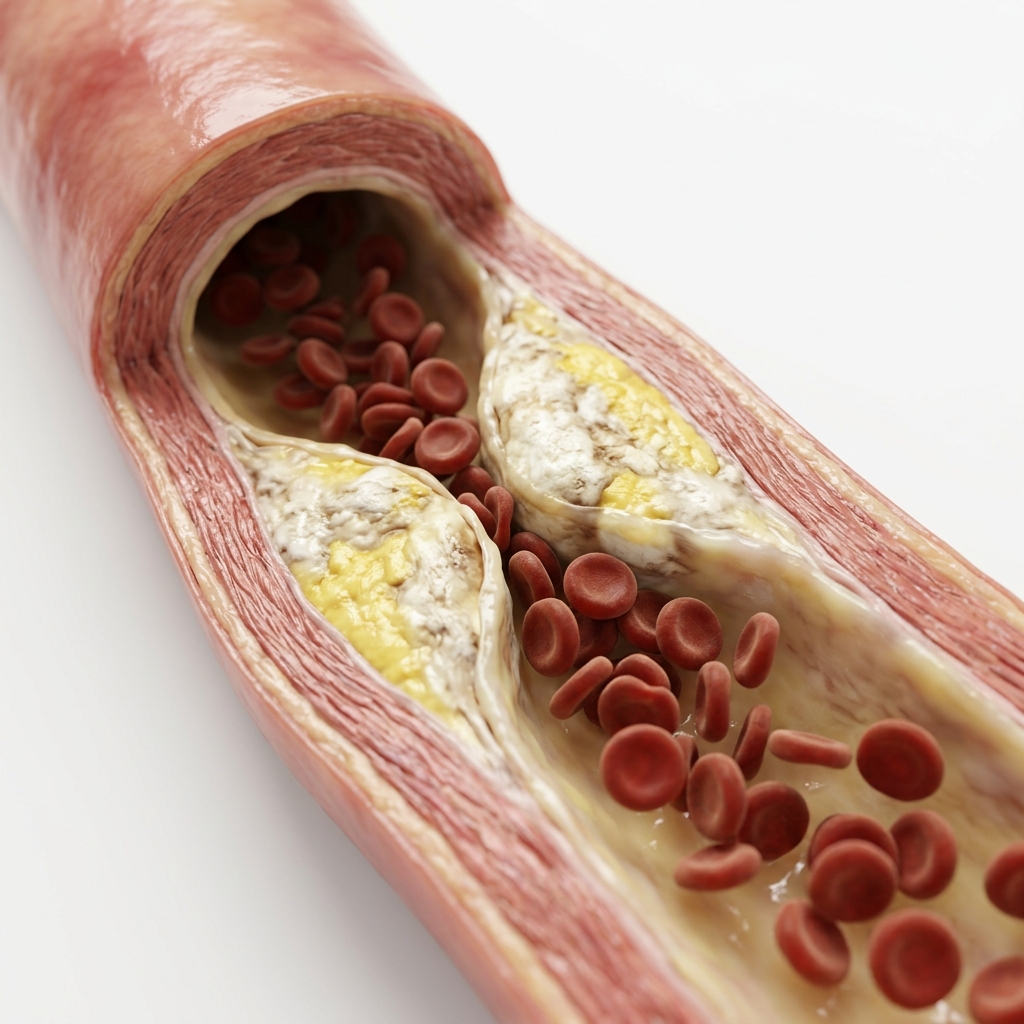
Coronary Artery Disease
Comprehensive CAD management including medical therapy and revascularisation when preventive measures are insufficient.
Ready to Consult Dr. Amit Singh?
Schedule a clinical consultation at Heartwise Cardiology Clinic, Sector 17, Vashi or Kokilaben Hospital, Navi Mumbai.
“Prevention is not just better than cure — it is the only sustainable approach to cardiovascular health.”
Dr. Amit Singh, FACC
Consultant Interventional Cardiologist
Medical Disclaimer: This article has been written and reviewed by Dr. Amit Singh, FACC, for educational purposes only. It does not constitute personalised medical advice and should not be used as a substitute for a consultation with a qualified cardiologist. Individual clinical decisions must be made by a treating physician based on complete medical history and examination. If you are experiencing chest pain, breathlessness, or other cardiac symptoms, seek emergency medical care immediately.